
Field Notes From the Edge
Track five core habits. Reflect each morning and night. Build direction through repetition… not motivation.
A FREE 90-day structure for those who want to show up, not just think about it.
A Quick Note on Links
As an Amazon Associate I earn from qualifying purchases.
This helps me create more class content for you to get inspired by.
Please Note
Outdoor activities involve risk. The information on this site is for general guidance only and should not replace proper training, manufacturer instructions, local laws, or your own judgement. Always use equipment safely and responsibly.
You can spend a stupid amount of money on outdoor gear.
Walk into a camping shop with no plan and you’ll come out £400 lighter, holding a titanium spoon, a tactical-looking pouch and a jacket with more zips than personality.
But if you’re just getting started, you don’t need all that.
You need a simple outdoor starter kit that covers the basics: light, water, first aid, weather, small repairs, and the odd moment where something annoying happens and you’re glad you packed properly.
This is what I’d put in a £100 outdoor starter kit for UK walks, camps, dog walks, day hikes, beginner bushcraft and general “getting outside more often” use.
Not fantasy survival. Not apocalypse nonsense. Just useful kit that earns its place.
The Goal: Useful, Not Flashy
A good starter kit should do five things:
- help you see
- help you stay dry
- help with small injuries
- help protect your phone and essentials
- help you deal with basic outdoor problems
That’s it.
A £100 outdoor kit is not going to replace proper camping gear, mountain kit or good judgement. It is a foundation. Something you can keep in a small rucksack, car boot or day bag and build from.
The aim is to buy fewer things that actually matter.
Quick £100 Outdoor Starter Kit List
Here’s the rough setup:
- head torch
- waterproof pouch or dry bag
- compact power bank
- lighter or fire starter
- paracord
- small first-aid kit
- water bottle
- whistle
- notebook and pencil
- small multitool or legal-friendly pocket tool
You can adjust the exact items depending on what you already own. The goal is not to hit £100 perfectly. It is to build a useful kit without drifting into pointless gear collecting.
1. Head Torch
PETZL - Headlamp TIKKINA Black

A head torch is one of the easiest first buys.
It is useful for evening walks, campsites, wild camps, power cuts, car problems, dark lanes, dog walks, toilet trips, route delays and finding things in the bottom of a bag.
The Petzl Tikkina is a strong budget-friendly option because it is simple, compact and easy to use. Petzl lists the current Tikkina at 300 lumens, 92g, with a wide beam and compatibility with either three AAA batteries or Petzl’s CORE rechargeable battery.
Budget: around £20–£30
Why it earns its place:
- hands-free light
- safer than relying on a phone torch
- easy to keep in a day bag
- useful all year
- good for walks and camps
A phone torch is fine until you need your hands free, the battery is low, it starts raining, or you drop the thing in mud. A head torch is better.
2. Small First-Aid Kit
Lifesystems Pocket First Aid Kit
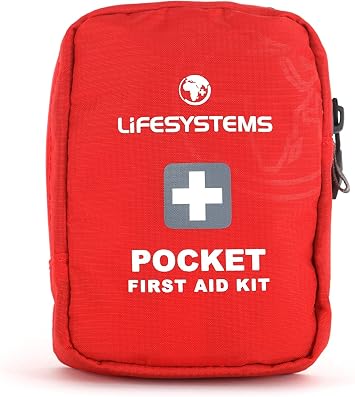
A small first-aid kit is not exciting.
Good.
Exciting is usually the thing that happened because someone did not pack one.
For beginner outdoor use, you do not need a giant medical pouch. You need something small that covers the usual problems: cuts, blisters, wipes, dressings and basic patch-up jobs.
Budget: around £10–£20
Why it earns its place:
- useful for cuts and scrapes
- small enough to carry
- easy to keep in a day bag
- helps with blisters
- better than hoping someone else has one
Add any personal medication you need. That matters more than another shiny gadget.
3. Waterproof Phone Pouch or Small Dry Bag

A waterproof pouch is one of those cheap bits of kit that quietly saves the day.
Your phone is probably your map, camera, emergency contact, train ticket, weather checker and payment method. It deserves better than being shoved into a wet coat pocket and asked to be brave.
Budget: around £8–£15
Why it earns its place:
- protects your phone
- good for coastal walks
- cheap insurance for expensive kit
- useful in rain
- helps with wet camps
A small dry bag is also useful if you would rather protect spare socks, power bank or first-aid kit.

4. Water Bottle

Water is basic, but it is where people still mess up.
You do not need a dramatic survival flask. You need a bottle that is easy to fill, easy to clean and tough enough to throw in a bag.
A simple wide-mouth bottle is ideal. It works for walks, camps, car kit, gym bags and everyday use.
Budget: around £10–£15
Why it earns its place:
- helps prevent dehydration
- useful every trip
- more reliable than disposable bottles
- easy to refill
- works with many filters
For longer walks, hot days or camps, carry more than you think you need.
5. Compact Power Bank

A power bank is not very outdoorsy.
Neither is being lost with a dead phone.
If your phone handles maps, weather, photos, messages, emergency calls and train tickets, keeping it charged is sensible.
Budget: around £15–£25
Why it earns its place:
- keeps your phone alive
- helps on long days
- useful outside outdoor life too
- useful for navigation
- good for train trips
Get something compact, reliable and simple. You do not need a brick-sized power station for a day walk.
6. Emergency Whistle
Fizzix 2-Pack High-Decibel Survival Whistles

A whistle weighs almost nothing and can be heard further than shouting.
It is cheap, tiny and useful enough to justify a place in any starter kit.
Budget: around £3–£6
Why it earns its place:
- lightweight
- useful in emergencies
- good for walking, camping and group trips
- cheap
- easier than shouting
Clip it somewhere easy to reach, not buried in the bottom of your bag under snacks and poor decisions.
7. Lighter or Fire Starter
BIC J25 Mini Lighter

A lighter is useful for camping stoves, emergency fire lighting where fires are allowed, repairs, melting cord ends and general camp tasks.
For most people, a simple lighter is more useful than an overly dramatic survival fire kit.
Budget: around £2–£5
Why it earns its place:
- cheap
- useful for stoves
- works for basic camp tasks
- tiny
- easy to carry
A ferro rod is fun and useful, but a lighter is easier. Start there.
Survival Flint and Steel Ferro Rod

Quick fire note: only light fires where they are allowed, keep them controlled, and do not be the person who leaves scorch marks behind.
8. Notebook and Pencil
Rite in the Rain Waterproof Paper Pocket Wire Bound Spiral Notebook

This sounds old-school because it is.
Good.
A small notebook is useful for route notes, grid references, ideas, camp thoughts, gear lists, phone numbers, emergency details and the kind of nonsense you think you’ll remember but absolutely will not.
Budget: around £5–£12
Why it earns its place:
- works without battery
- good for notes and grid references
- gives your outdoor life a bit more intention
- useful for planning
- helps track kit
A pencil works in more conditions than a fancy pen. Keep it simple.
If you like the idea of carrying useful basics, these EDC pieces under £50 are a good next read.
9. Paracord
Abma Cord Paracord 550 4mm 15m 100% Nylon Rope

Paracord is not magic.
But it is useful.
It can help with repairs, guy lines, hanging kit, securing gear, practising knots, replacing broken cord and making little camp fixes that would otherwise be annoying.
Budget: around £5–£10
Why it earns its place:
- cheap
- good for repairs
- helps you learn knots
- versatile
- useful for tarp practice
Do not buy 100 metres and wrap it round everything you own. A small length is enough for a starter kit.
If you want to practise using it properly, this backyard bushcraft guide is a good place to start.
10. Small Multitool or UK-Friendly Pocket Tool
Victorinox Spartan Swiss Army Knife
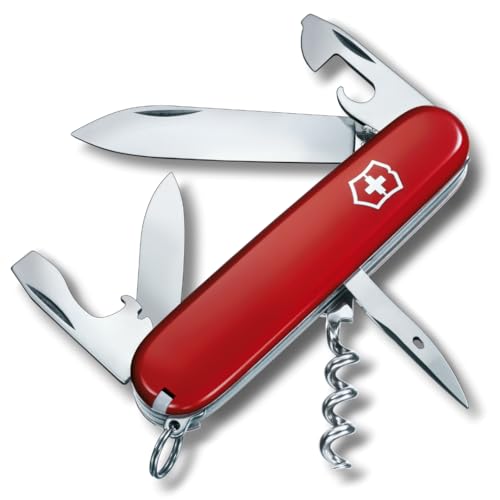
A small multitool can be useful, but this is where you need to be sensible.
For UK everyday/outdoor carry, avoid anything tactical-looking, locking, oversized or hard to justify. Keep the focus on small, practical tools for food prep, packaging, repairs and camp tasks.
Budget: around £20–£30
Why it earns its place:
- useful for small jobs
- compact
- familiar and beginner-friendly
- good for repairs
- more versatile than a single blade
UK knife law matters here. GOV.UK says it is illegal to carry most knives in public without a good reason, except a folding pocket knife with a cutting edge of 3 inches or less. Lock knives are not classed as folding pocket knives for this exception. (gov.uk)
If you are not confident on the rules, choose a bladeless multitool, scissors, repair kit or keep sharp tools packed with genuine camping kit rather than loose in your pocket day to day.
The £100 Kit: Example Budget Breakdown
Prices move around, but a rough setup could look like this:
- Petzl Tikkina head torch: £20–£30
- small first-aid kit: £10–£20
- waterproof phone pouch or dry bag: £8–£15
- water bottle: £10–£15
- compact power bank: £15–£25
- whistle: £3–£6
- lighter: £2–£5
- notebook and pencil: £5–£12
- paracord: £5–£10
- small multitool or pocket tool: £20–£30
That can drift over £100 depending on brands and deals, so adjust based on what you already own.
If you already have a water bottle, spend more on the head torch. If you already have a power bank, put that money towards a better first-aid kit or waterproof pouch.
The rule is simple: buy the gaps, not the list.
Best Starter Kit for Day Walks
For simple UK day walks, prioritise:
- head torch
- first-aid kit
- power bank
- spare layer or waterproof jacket
- water bottle
- waterproof pouch
- whistle
You probably do not need fire kit or paracord for every short walk, but they are useful if your outdoor kit also covers camps, bushcraft practice or longer routes.
Best Starter Kit for Camping
For camping, prioritise:
- head torch
- first-aid kit
- dry bag
- paracord
- notebook
- lighter
- water bottle
- power bank
- small multitool
Camping creates more little jobs. Cord, light, fire, repairs, water and organisation all matter more once you’re staying out overnight.
Best Starter Kit for EDC
For everyday outdoor carry, prioritise:
- small torch or head torch
- power bank
- whistle
- compact tool where appropriate
- phone pouch
- notebook
- small first-aid items
Keep this legal, useful and low-profile.
EDC should make life easier. It should not make you look like you’re expecting to rappel out of Tesco.
What I’d Skip at First
A £100 outdoor starter kit should not include everything.
I’d skip:
- huge survival knives
- tactical pouches
- giant lanterns
- emergency gadgets you do not understand
- heavy cookware
- axes
- cheap compass you will never learn to use
- complicated fire kits
- huge multitools
- novelty survival tins
The more dramatic the product photo, the more suspicious I get.
Most useful outdoor kit looks boring until you need it.
What to Upgrade First
Once you’ve used the kit for a while, upgrade based on what actually annoys you.
Good first upgrades:
- better head torch
- better first-aid kit
- baseplate compass and OS map
- better camping stove
- proper waterproof jacket
- small dry bag set
- stronger power bank
- more comfortable rucksack
Rab Men s Downpour Jacket

Silva compass navigation - EXPEDITION 4

MSR Pocket Rocket 2 Ultralight Backpacking Camping Stove

Exped Versa Waterproof Drybags 4-Pack (XS-L)

Snowdon / Yr Wyddfa Map
Anker Laptop Power Bank, 25,000mAh

flintronic Foldable Backpack, Ultra Lightweight Rucksack

Simple £100 Outdoor Starter Kit Checklist
Here is the clean version:
- head torch
- waterproof phone pouch or dry bag
- compact power bank
- lighter
- paracord
- small first-aid kit
- water bottle
- whistle
- notebook and pencil
- small multitool or pocket tool
Put it in a small pouch, dry bag or rucksack pocket. Keep it together. Use it often. Replace anything you use.
That is better than owning loads of outdoor gear scattered across drawers, bags and car boots.
Final Thoughts: Start Small, Then Get Outside
A £100 outdoor starter kit is not about having all the answers.
It is about having the basics covered.
Light. Water. First aid. Phone power. Weather protection. Small repairs. Simple tools. A bit of organisation.
Start there.
Then walk more. Camp more. Practise more. Notice what you actually use. Notice what stays buried in the bag. Upgrade with evidence, not impulse.
The best outdoor kit is not the most expensive kit.
It is the kit that gets carried, used and trusted.
£100 Outdoor Starter Kit FAQs
Can you build a decent outdoor kit for £100?
Yes. You will not get premium gear, but £100 is enough for a useful beginner setup covering light, first aid, water, phone protection, backup power and simple camp tools.
What should I buy first for outdoor adventures?
Start with a head torch, water bottle, small first-aid kit and waterproof phone pouch. Those items are useful across walks, camps, travel, dog walks and general outdoor use.
Do I need a knife in an outdoor starter kit?
Not always. A small multitool can be useful, but UK knife law matters. If you are unsure, focus on a head torch, first-aid kit, dry bag, water bottle and power bank first.
Is survival gear the same as outdoor gear?
No. Outdoor gear is for real use: walking, camping, staying dry, staying visible and fixing small problems. Survival gear often gets marketed with more drama than usefulness.
What should I keep in a beginner hiking kit?
For beginner hikes, carry water, head torch, first-aid kit, phone, power bank, waterproof layer, snacks, whistle and some form of navigation. Add more only when the route or weather demands it.
What is the most useful item in a starter outdoor kit?
A head torch is probably the best first buy. It is legal, compact, useful in loads of situations, and far better than relying on a phone torch when things get dark.