
Field Notes From the Edge
Track five core habits. Reflect each morning and night. Build direction through repetition… not motivation.
A FREE 90-day structure for those who want to show up, not just think about it.
A Quick Note on Links
As an Amazon Associate I earn from qualifying purchases.
This helps me create more class content for you to get inspired by.
Please Note
Outdoor activities involve risk. The information on this site is for general guidance only and should not replace proper training, manufacturer instructions, local laws, or your own judgement. Always use equipment safely and responsibly.
There’s camping, and then there’s camping. One involves a car trunk full of gear, an air mattress thicker than your sleeping bag, and a cooler overflowing with pre-made meals. The other? That’s the real deal the kind where you rely on real bushcraft skills, resourcefulness, and a little bit of grit to make the wilderness your temporary home.
If you want to take it to the next level, these five bushcraft skills are the ones you need to know. They aren’t just “nice-to-haves.” They’re the difference between feeling at home in the wild and frantically searching for cell service to Google, “How to start a fire with wet wood.”
1. Fire Starting: Because Cold Nights and Raw Food Suck

Nothing says “I belong here” quite like confidently striking a spark and watching your fire roar to life. But here’s the kicker: often, matches and lighters let you down. Damper foils like wind, rain, and poor luck can render them useless, so you need a back-up plan.
How to Master It:
Carry a ferrocerium rod (aka a ferro rod). They work in any weather and last thousands of strikes. The Light My Fire ferro rod is a solid pick.

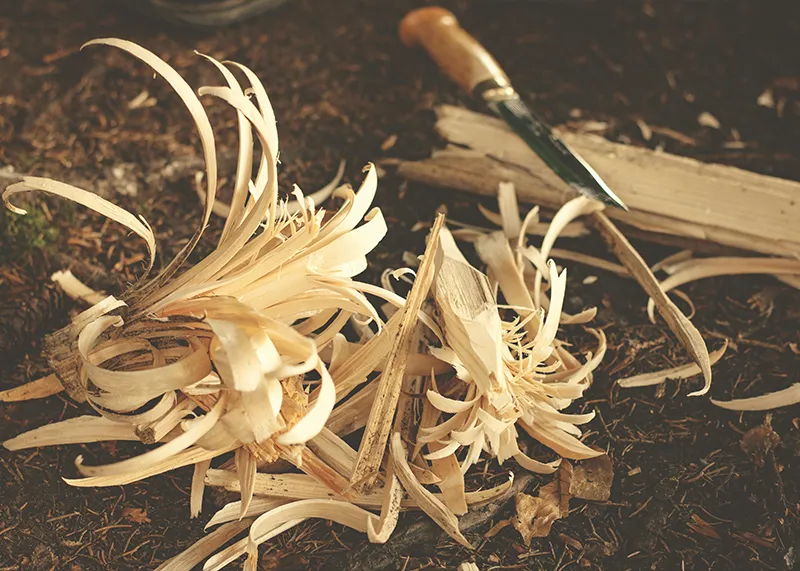
- Learn how to make feather sticks – thin curls of wood that ignite easily.
- Master the tinder bundle technique. Dry grass, birch bark, or even cotton balls soaked in petroleum jelly can be lifesavers.
Personal Fail Story: The first time I tried starting a fire without matches, I used damp wood and a half-hearted spark (who hasnt). The result? An embarrassing hour of smoke and frustration before I swallowed my pride and grabbed a lighter. Lesson learned, prep your tinder and practice your bushcraft skills before you actually need it.
Once you’ve got the basics down, it’s worth learning how to start a fire in wet conditions, because damp ground and bad weather can make everything harder.
2. Shelter Building: Because Rain Doesn’t Care About Your Comfort

Okay, so, what if you lose your tent? Or-forget it? Knowing how to set up a decent emergency shelter may spell the difference between a bad evening and a proper problem.
How to Master It:
The Tarp Method
Go with a quality tarp-one that can provide solid materials. AquaQuest does make pretty hardwearing items. Learn either the A-Frame or lean-to setup that requires nothing except paracord and stakes.

Aqua Quest Guide Tarp
The Debris Hut
In a survival situation, one would quickly get leaves, branches, and moss piled over a sturdy frame in order to trap heat.
Site Selection
Always choose high ground-not a flood-prone ditch-and look for dead trees above (widowmakers are no joke.)
Pro Tip: Practice setting up a tarp shelter in your backyard before you rely on it in the wild.
If you’re building out a full setup, have a look at this guide to UK wild camping setups under £500.
Before pitching anywhere overnight, it’s worth understanding where you can wild camp in the UK and what the rules look like.
3. Water Purification: Because Giardia is a Terrible Travel Buddy
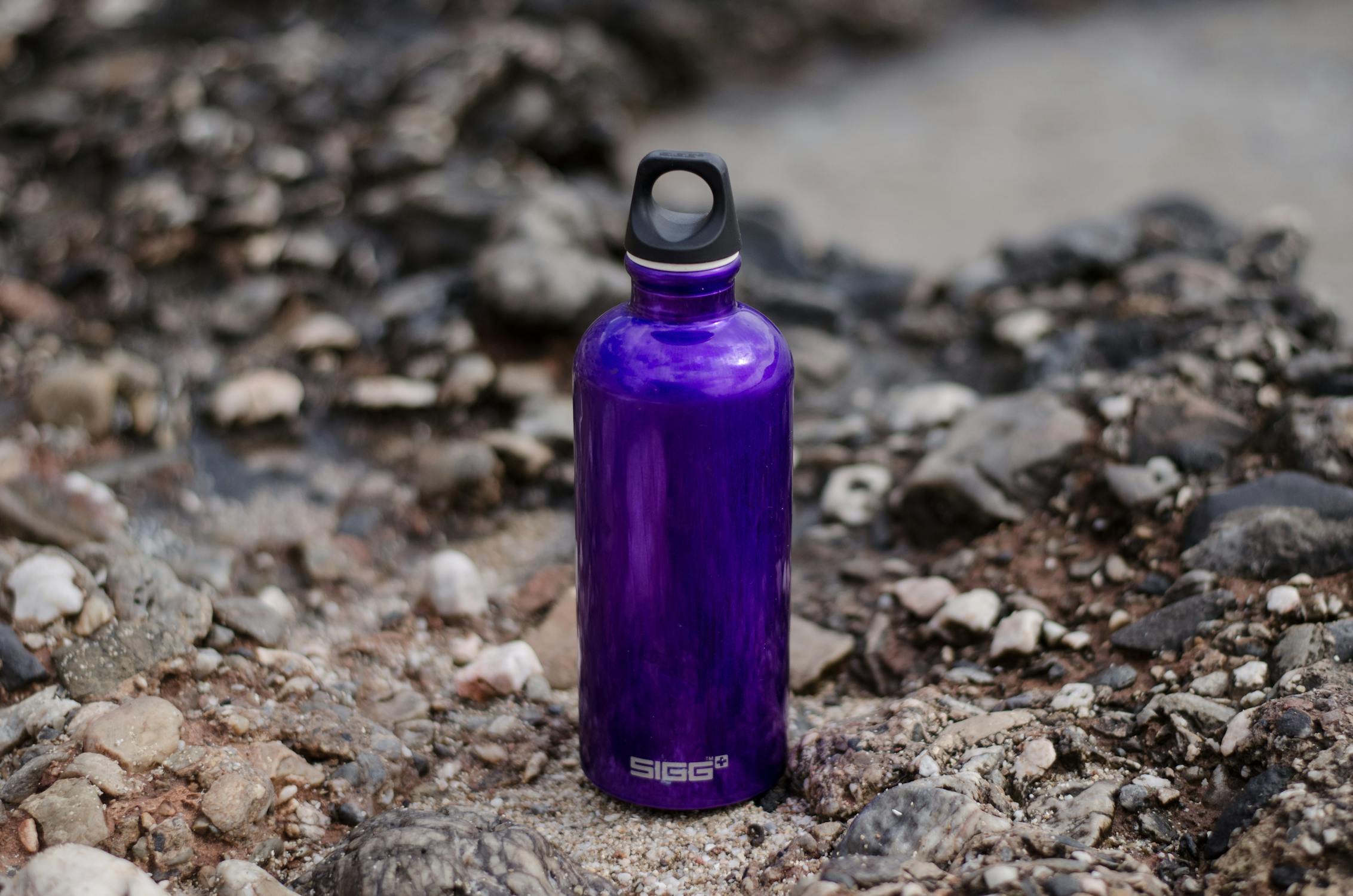
You might think that crystal-clear stream looks drinkable, but trust me, looks can be deceiving. Bacteria, parasites, and other nasty microbes just love untreated water.
How to Master It:
Boiling
The classic way, five minutes at rolling boil, done.
Filtration
Get yourself a good filter, such as the Sawyer Squeeze or Katadyn BeFree.

Sawyer Products Squeeze SP129 Waterfilter

Katadyn BeFree 1.0L Water Filter
Clean water is part of staying safe outdoors, but it should sit alongside a basic first-aid setup for longer walks and camps.
Chemical Treatment
When all else fails, backups include Water Purification Tablets or iodine tablets.
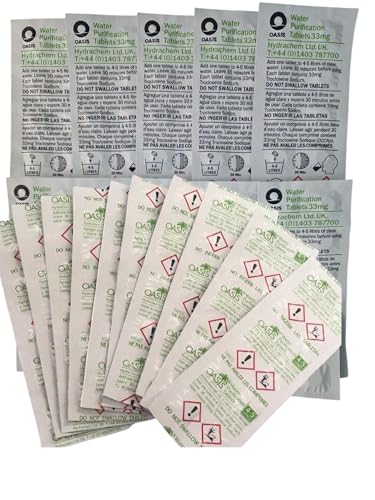
Oasis Water Purification Tablets (33mg)
Lesson Learned the Hard Way: On one of my backpacking trips, I decided not to treat water because it “looked fine.” Two days later, I found myself attached to a makeshift toilet deep in the woods. Never again.
4. Navigation Without a GPS: Because Batteries Die, Maps Don’t
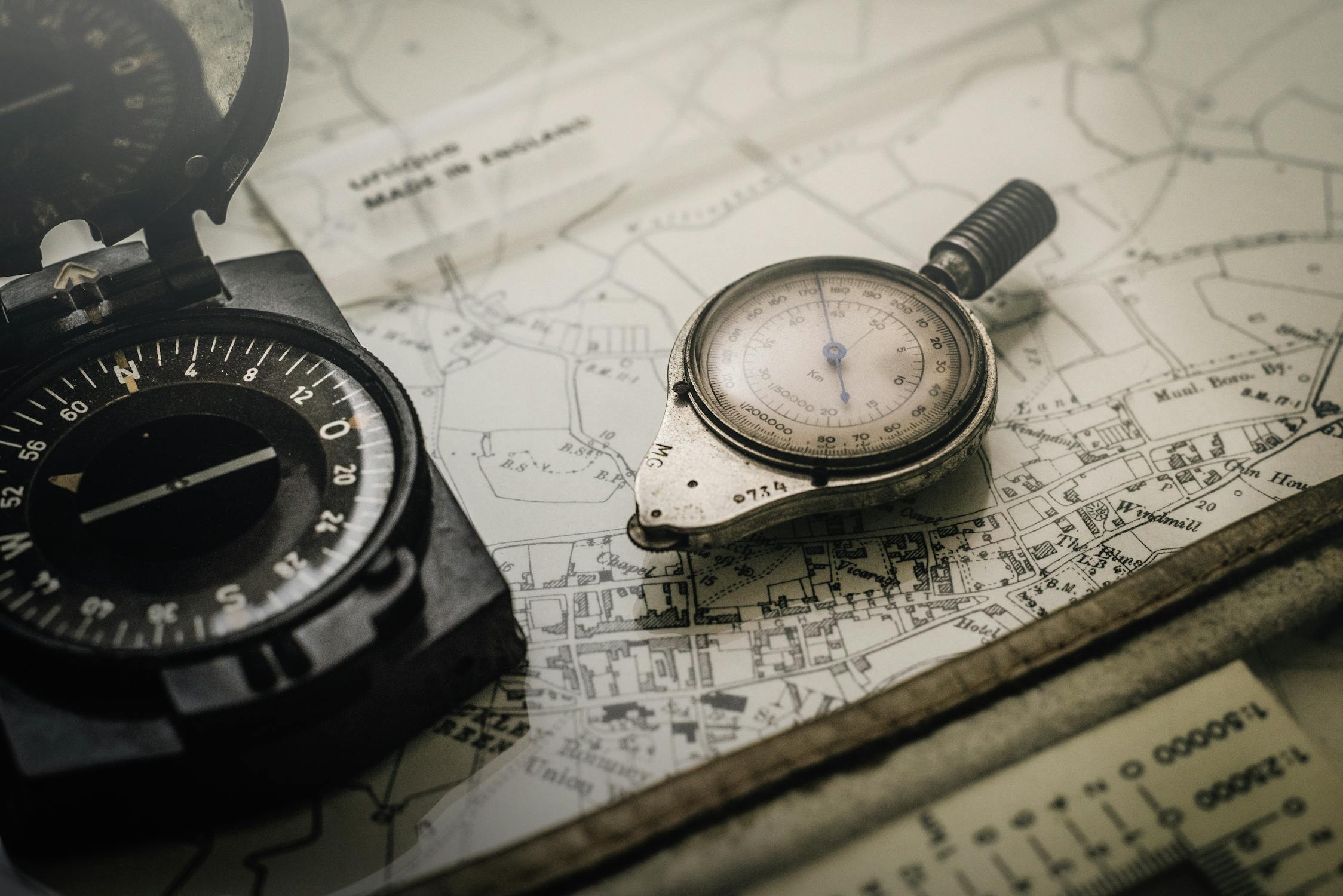
A GPS is great-until it’s not. Dead battery or lost signal, you need to know how to find your way old-school.
How to Master It:
Map and Compass
Get a Suunto A-10 compass and learn basic orienteering.

A-10 NH Compass
The Sun and Stars
The sun rises in the east, sets in the west. At night, locate Polaris-the North Star-to orient yourself. Landmarks and Terrain Reading: A river is always downhill, moss grows often more on the north side of the trees-nature provides plenty of clues.
Reality Check: Ever tried to follow a GPS deep in the woods, and hooray-it sends you straight through a swamp? Yeah, been there, done that. A paper map would have saved me a lot of soaked boots and swearing.
If you’re planning beginner-friendly routes, these train-accessible outdoor escapes in the UK are a good place to start building confidence.
Coastal walks are a good place to practise basic navigation, especially when you’re learning to read distance, terrain and weather.
5. Knife Skills: Because Your Knife is Your Best Friend
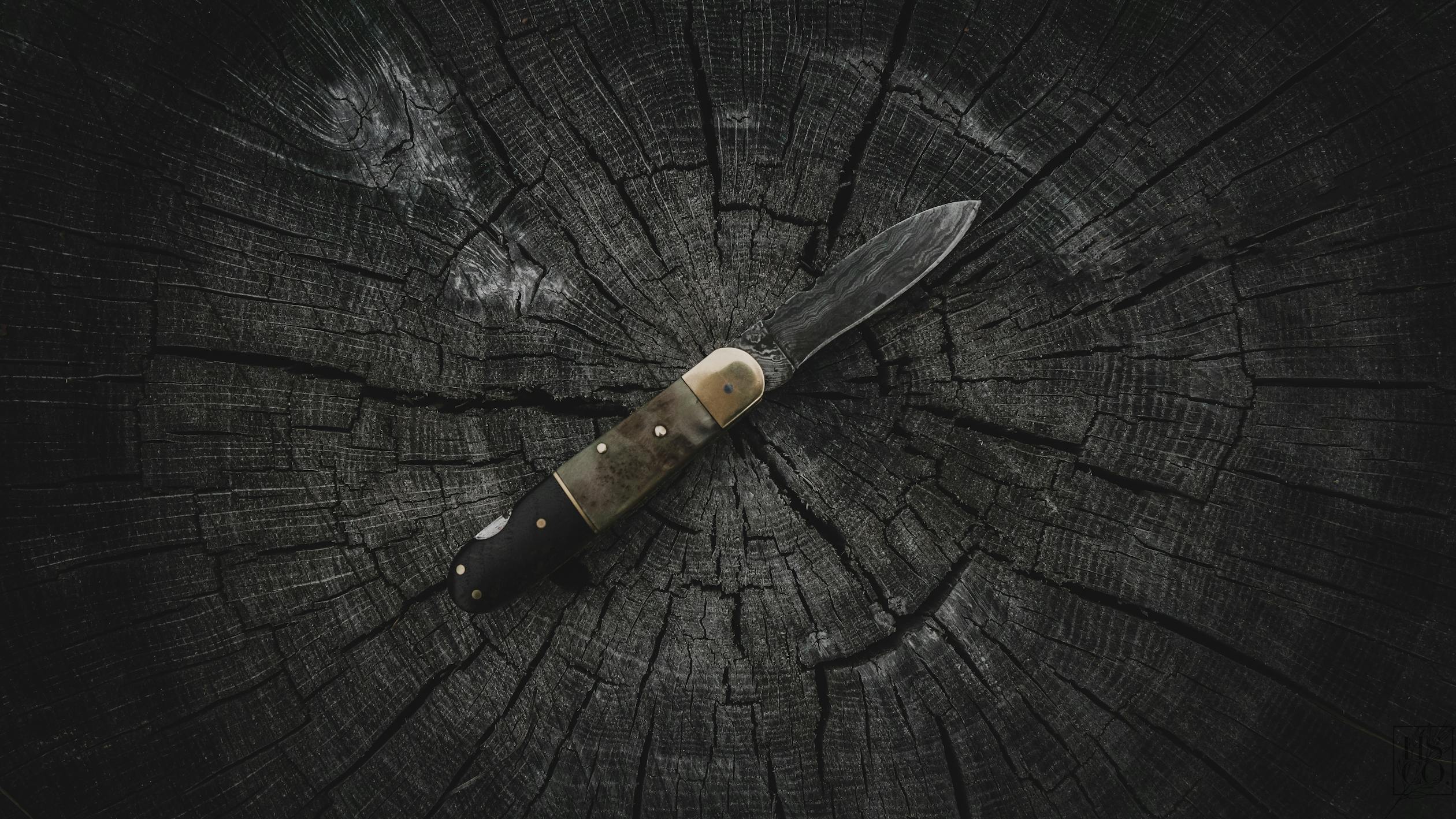
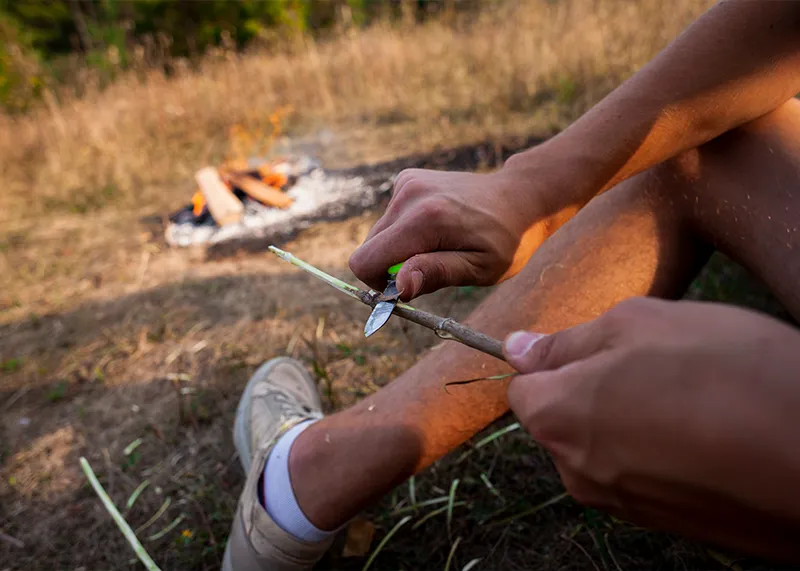
A good knife can be the backbone of bushcraft, but it’s not enough to just have a knife-you need to know how to use it for carving and cutting and even first aid.
How to Master:
- Batoning: This can be done with your knife and a stick to split wood. A full-tang fixed blade works best, such as a Buck Brahma 117 Heritage Fixed Blade (£124.95 On Heinnie Haynes).
- Feather Sticking: This is important for fire starting.
- Basic Carving: Make tent pegs, pot hooks, or even a simple trap if you’re feeling ambitious.
Knife Nerd Note: Keep your knife razor sharp. A dull blade is more dangerous than a sharp one because it slips easier.
Choosing the right blade matters too, so I’ve put together a guide to the best pocket knives for UK camping trips.
If you’re building a simple outdoor pocket setup, these EDC pieces under £50 are a good starting point.
FAQs
Do I need expensive gear to start learning bushcraft?
No. You can start with a few simple basics: a reliable fire starter, a water bottle, a small first aid kit, a map or compass, and suitable outdoor clothing. The real skill is knowing how to use what you have, not carrying loads of expensive kit.
What is the easiest bushcraft skill for beginners to learn first?
Fire starting is a good place to begin, because it teaches preparation, patience and safety. Start with simple methods like matches, a lighter, or a ferro rod before trying more advanced techniques.
Can I practise bushcraft in the UK?
Yes, but you need to be sensible about where you do it. Practise low-impact skills like knot tying, navigation, water filtration and shelter planning at home, in the garden, or on permitted land. For fires, cutting wood, camping overnight or foraging, always check landowner permission and local rules first.
Is it safe to drink water from streams if I filter it?
A proper outdoor water filter can reduce a lot of risk, but you should still choose your water source carefully. Avoid stagnant water, water near farmland, or anything that looks polluted. When in doubt, filter and boil it before drinking.
What’s the difference between camping and bushcraft?
Camping is usually about staying outdoors comfortably with the kit you bring. Bushcraft focuses more on outdoor skills, resourcefulness and understanding the natural environment. The two overlap, but bushcraft puts more emphasis on practical knowledge.
Should beginners learn navigation even if they use a phone GPS?
Yes. A phone is useful, but batteries die, signal drops, and weather can change quickly. Learning basic map and compass skills gives you a backup and makes you more confident outdoors.
Final Thoughts On Essential Bushcraft Skills
Nail these five bushcraft skills, and you’ll be going from casual camper to outdoor pro faster than you can say “pass the jerky.” And hey, even if you never find yourself in a survival situation, there’s something deeply satisfying about knowing you could.
So pack up, head to the woods, and try it out for yourselves. There is no better feeling than sitting at a fire you’ve built, drinking water you purified, knowing you earned that night under the stars.
Start with one skill, practise it properly, then build from there. Master fire, shelter, water, navigation and knife safety, and your camping trips become calmer, safer and a lot more rewarding.