
Field Notes From the Edge
Track five core habits. Reflect each morning and night. Build direction through repetition… not motivation.
A FREE 90-day structure for those who want to show up, not just think about it.
A Quick Note on Links
As an Amazon Associate I earn from qualifying purchases.
This helps me create more class content for you to get inspired by.
Please Note
Outdoor activities involve risk. The information on this site is for general guidance only and should not replace proper training, manufacturer instructions, local laws, or your own judgement. Always use equipment safely and responsibly.
You don’t need a car to get off-grid.
That’s one of the most overlooked advantages of living in the UK you’re never that far from real landscape, and the rail network quietly unlocks more than most people realise.
While everyone else is stuck planning routes, parking, and traffic… you can be stepping off a train straight onto a trail.
This is about frictionless escape:
Station → Trail → Camp (or reset) → Back home.
No overplanning. No excuses.
If you’re heading out without a car, keep your kit lean with these EDC essentials for UK summer hikes.
Quick travel note: Train and bus times change, rural services can be limited, and cancellations happen. Check your route, return options and last train before you set off.
Why Train-Based Adventures Just Work
Before we get into locations, understand why this is such a strong move:
- No parking stress
- No need to loop back to your car
- One-way routes become possible
- Lower cost than you think
- You arrive in the environment, not next to it
It forces simplicity and that’s exactly what most people need.
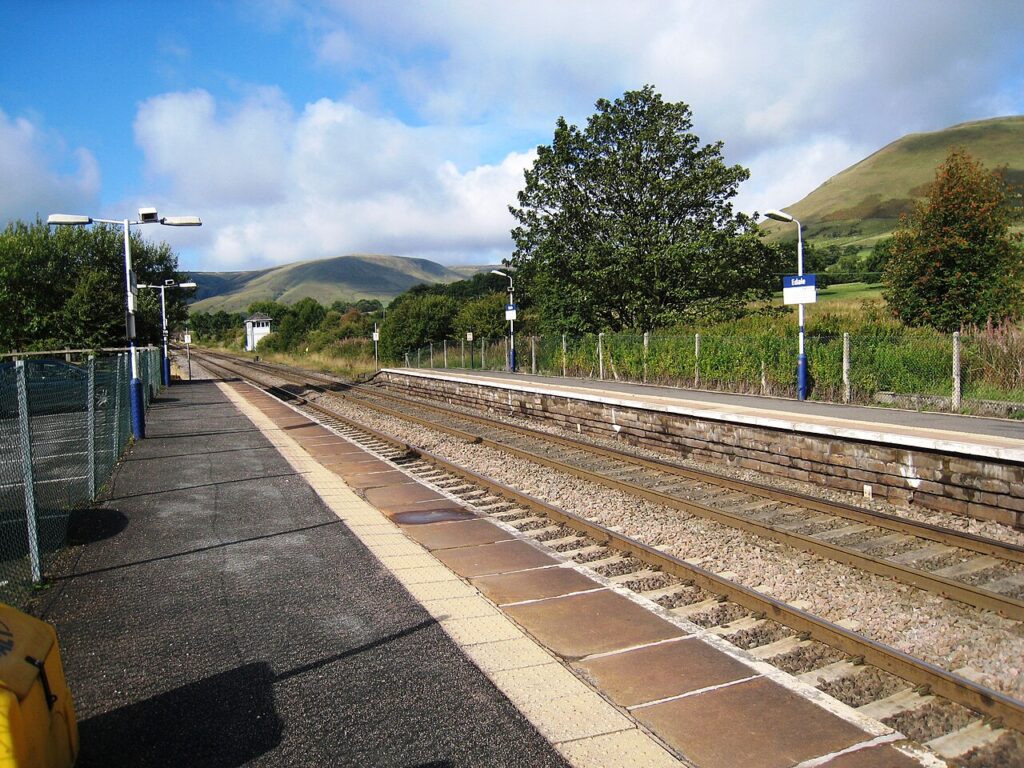
1. Peak District — Edale (The Classic Done Right)
Route: Manchester / Sheffield → Edale Station
Vibe: Rolling hills, open skies, accessible but still wild-feeling
Step off at Edale, and you’re instantly in it. No warm-up. No transition. Just straight into:
- The Pennine Way
- Kinder Scout
- Mam Tor ridgelines
Why It Works
- Trails start minutes from the station
- Huge range of routes (short or full-day)
- Easy to scale difficulty
Camping Reality
Wild camping is technically restricted but:
- Discreet, late setup + early leave is common practice
- Plenty of nearby campsites if you want it simple
This is the perfect first train-based micro-adventure. Even on a well-marked route, a few basic bushcraft skills make you calmer and more capable outdoors.
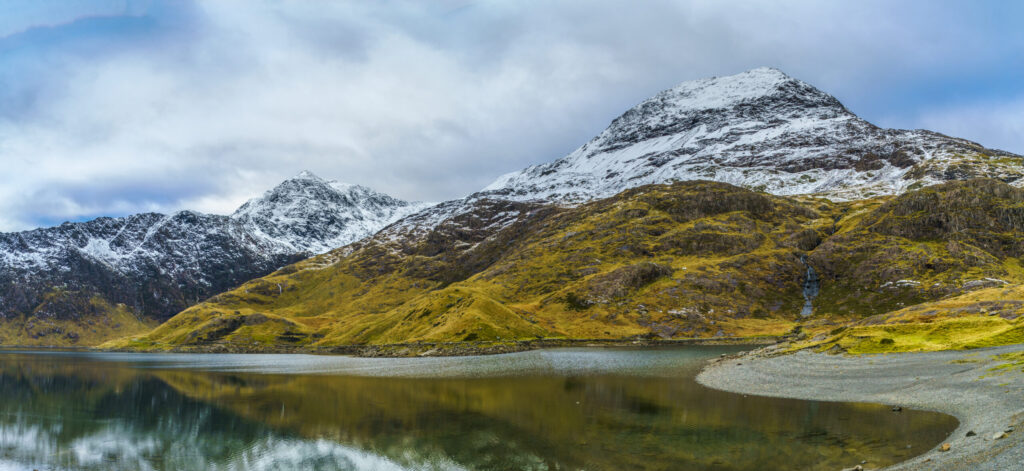
2. Snowdonia (Eryri) — Betws-y-Coed
Route: Chester → Betws-y-Coed
Vibe: Forest, rivers, mountains within reach
This is where things start to feel bigger. Betws-y-Coed drops you into:
- Dense woodland
- River trails
- Access routes deeper into Snowdonia
Why It Works
- Strong transport links into North Wales
- Immediate access to scenic trails
- Gateway to bigger mountain days
Camping Reality
- More flexibility the further out you go
- Stick to high, remote spots
- Respect the land, it matters here
This one suits a slightly more prepared setup, but still very achievable.
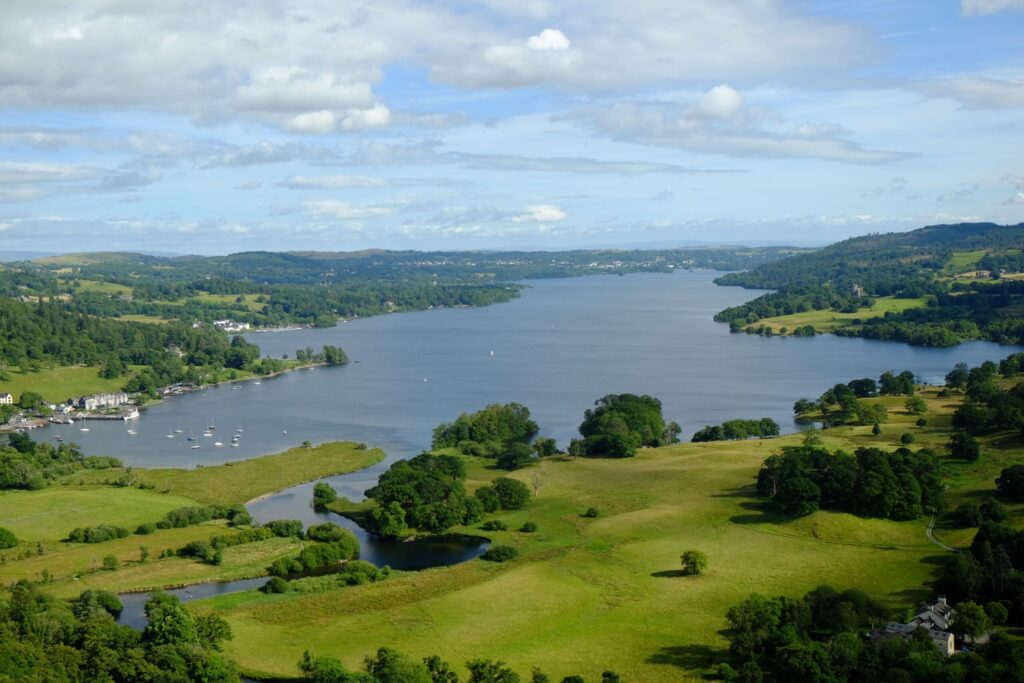
3. Lake District — Windermere (But Do It Properly)
Route: Oxenholme → Windermere Station
Vibe: Big landscapes if you move beyond the obvious
Most people get this wrong. They arrive… and stay where everyone else is.
The Move
Use Windermere as a launch point, not a destination. From the station:
- Head out early
- Push beyond the tourist zones
- Aim for higher ground or quieter valleys
Why It Works
- Direct rail access
- Endless route options
- Proper sense of scale once you move out
Camping Reality
- Wild camping is tolerated high up, away from busy areas
- Leave no trace isn’t optional here, it’s expected
Do it right, and this becomes one of the best train-to-wild experiences in the UK.
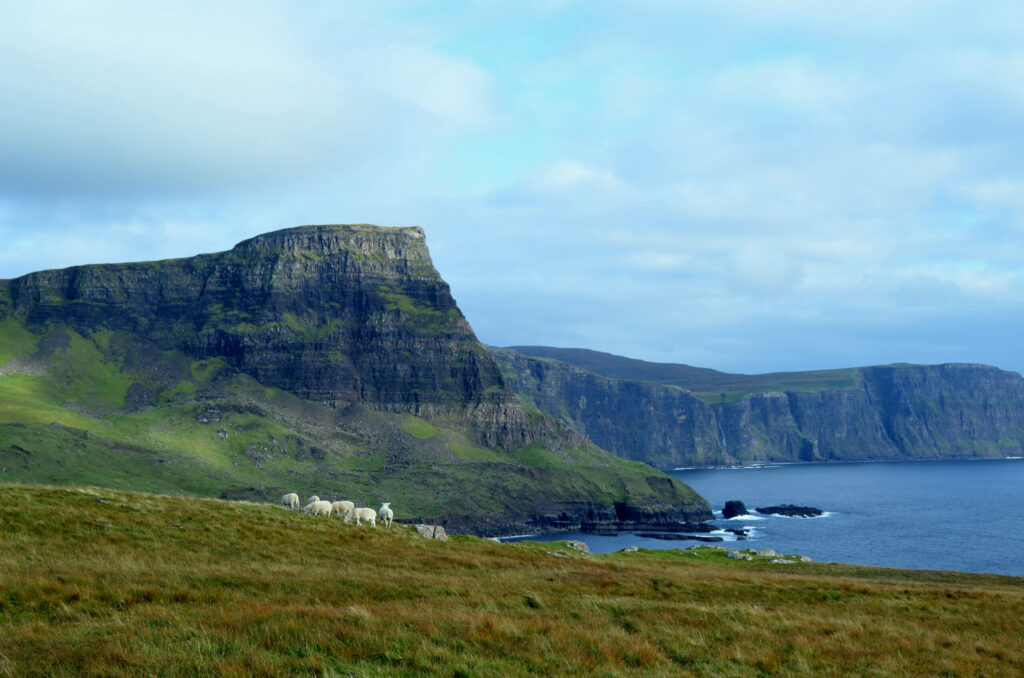
For longer hill days, make sure your first-aid kit covers the basics before you step off the train.
4. The Scottish Highlands — Corrour (Next Level, Still Train-Based)
Route: Glasgow → Corrour Station
Vibe: Remote, quiet, borderline surreal
This is different. Corrour is:
- One of the most remote stations in the UK
- Surrounded by nothing but land
You step off the train and that’s it. No town. No distractions.
Why It Works
- Direct access to true wilderness
- No transition from “urban to rural”
- Immediate immersion
Camping Reality
- Scotland allows responsible wild camping
- Still requires respect and awareness
This is your step up when you want space, not just scenery.
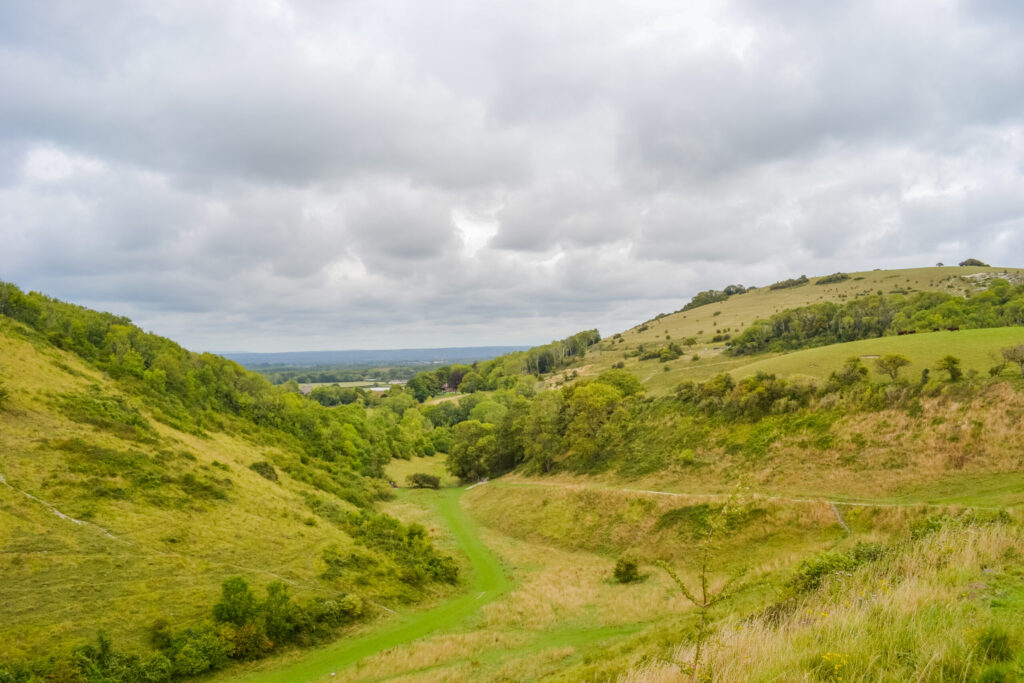
5. South Downs — Lewes (Underrated and Easy)
Route: London → Lewes
Vibe: Rolling hills, open views, low effort
Not every trip needs to be extreme. Lewes gives you:
- Instant access to the South Downs Way
- Clean, open landscapes
- Easy walking with strong views
Why It Works
- Quick access from London
- Low barrier to entry
- Perfect for day trips or light overnights
Camping Reality
- Limited wild camping stick to campsites or keep it subtle and respectful
This is your “just go” option when time is tight.
The System: How to Actually Do This
Keep it simple.
1. Pick a Line, Not a Location
Scroll train routes, not Instagram.
2. Travel Early
More daylight = more flexibility.
3. Pack for Movement
You’re walking from the station weight matters more.
4. Don’t Overplan
Have a direction. Let the rest unfold.
Where Your Gear Matters (And Where It Doesn’t)
You don’t need loads. You need:
- Comfort moving
- Reliability in bad weather
- Gear that doesn’t slow you down
And just as important what stays on you daily should transition with you. Not outdoor gear. Not city-only accessories. Just solid, minimal pieces that:
- Don’t need swapping out
- Handle both environments
- Stay out of your way
Because the best setups aren’t built for one setting They move with you.
A simple EDC essentials setup is ideal for train-based trips where you want useful kit without lugging half the house around.
Final Take
The UK is quietly one of the easiest places in the world to escape without a car. You’re never more than a train ride away from:
- Space
- Silence
- Perspective
Most people just don’t use it. So next time you feel stuck, don’t overthink it. Pick a line. Pack light. Get on the train. And step straight into something better. If you like low-fuss routes with big views, these UK coastline walks are another easy way to get outside.
Train-Accessible Outdoor Escapes FAQs
Can you do proper outdoor trips in the UK without a car?
Yes. Plenty of UK walks, national parks and coastal routes can be reached by train and bus. The trick is choosing routes that start close to a station, checking return times, and not relying on the last train home.
What should I pack for a train-accessible day hike?
Pack light but sensibly: water, snacks, waterproof layer, warm layer, phone, power bank, first-aid kit, headtorch and basic navigation. If you’re heading into hills, don’t treat it like a casual town walk just because you arrived by train.
Is Edale good for a car-free Peak District trip?
Yes. Edale has its own railway station, and the Peak District National Park specifically points visitors towards travelling by train, with station-to-station walks available through local rail partnerships.
Can you get to Snowdon/Yr Wyddfa without driving?
Yes, but it usually involves train plus bus rather than train alone. Sherpa’r Wyddfa connects key places around Yr Wyddfa, and Eryri National Park says it is one of the most efficient ways to reach Pen y Pass.
Is the Lake District easy to explore by public transport?
Yes, depending on where you go. The Lake District National Park encourages visitors to explore by walking, cycling, boat, rail and bus, but you still need to plan routes properly because rural services can be limited.
What’s the easiest train-accessible outdoor escape from London?
The South Downs is one of the easiest. The National Park says train is the easiest and quickest way to get there, with regular trains from London Waterloo and Victoria taking around 60–90 minutes into the park.