
Field Notes From the Edge
Track five core habits. Reflect each morning and night. Build direction through repetition… not motivation.
A FREE 90-day structure for those who want to show up, not just think about it.
A Quick Note on Links
As an Amazon Associate I earn from qualifying purchases.
This helps me create more class content for you to get inspired by.
Please Note
Outdoor activities involve risk. The information on this site is for general guidance only and should not replace proper training, manufacturer instructions, local laws, or your own judgement. Always use equipment safely and responsibly.
Let’s be honest, most “budget gear guides” are rubbish.
They’re either:
- Full of gear no one actually uses
- Or wildly unrealistic for UK conditions
This isn’t that.
This is a grounded breakdown of what you actually need for wild camping in the UK across three budgets. No fantasy loadouts. No pretending you’re heading into the Arctic.
Before buying the kit, it’s worth understanding where you can actually wild camp in the UK.
Just setups that work in British weather, terrain, and reality.
Quick wild camping note: Keep it legal, lightweight and low-impact. Check where you’re allowed to pitch, camp small, and leave no trace.
First – What Actually Matters (Before Budget)
Before throwing numbers around, understand this:
Wild camping comfort comes down to four things:
- Shelter (stay dry)
- Sleep system (stay warm)
- Water (stay functional)
- Weight (stay mobile)
Mess one of these up, and the whole experience turns miserable fast.
Get them right, and even a £150 setup can work.
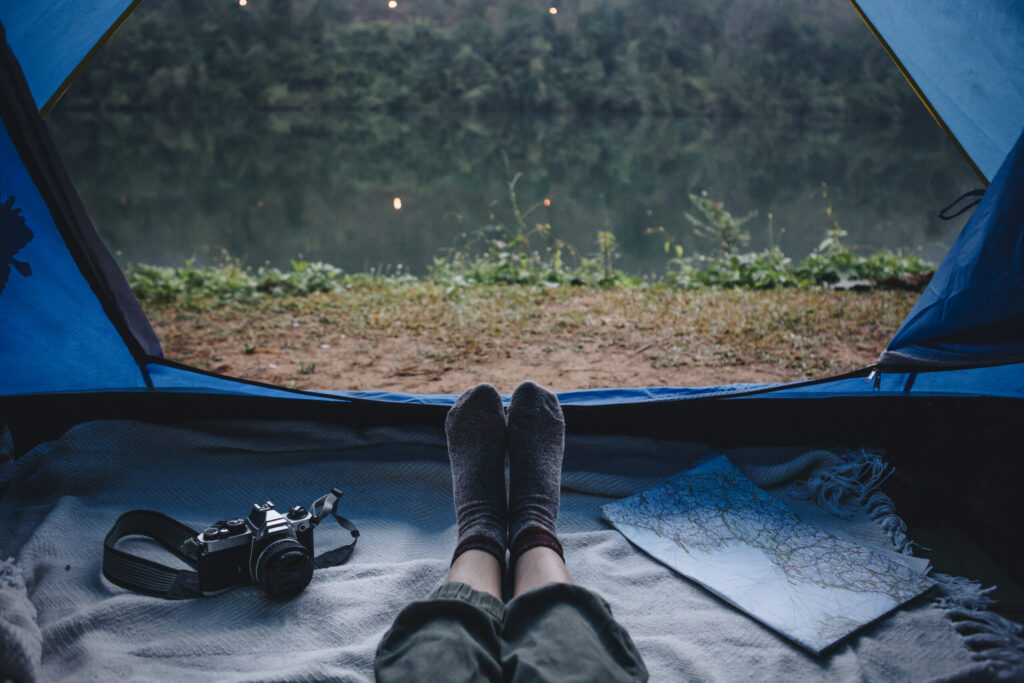
Under £150 Setup – “It Works, But You’ll Feel It”
This is your entry point. No luxury. No margin for error. But it’ll get you out there.
What You’re Getting
- Basic 1–2 man tent (£30–£50)
- Budget sleeping bag (2–3 season) (£25–£40)
- Cheap backpack (20–30L) (£20–£30)
- Foam roll mat (£10–£20)
- Make sure you also account for Water + basic food setup (£10–£20)


The Reality
- Heavier than it should be
- Bulkier than ideal
- Limited warmth in colder months
- Questionable durability in rough weather
But here’s the key it works if you pick your conditions right.
This setup is:
- Late spring to early autumn
- Fair weather only
- Short trips
Push it beyond that, and it’ll push back hard.
Under £350 Setup – “Now It’s Actually Enjoyable”
This is the sweet spot for most people.
You’re no longer just “getting through it” you’re actually enjoying it.
If this is your first setup, practise the basics at home before relying on new gear outdoors.
What You’re Getting
- Reliable lightweight tent or bivvy (£80–£120)
- Decent 2–3 season sleeping bag (£100–£130)
- Inflatable sleeping mat (game changer) (£30–£60)
- Better backpack (30–40L, proper support) (£40–£70)
- Basic stove + gas + cookware (£20–£50)
Vango Nevis Tunnel Tent

QEZER Down Sleeping Bag

Vango Odyssey Single Self Inflating Camping Mat

Hannibal Tactical 40L MOLLE Assault Pack

Odoland 3500W Windproof Camping Gas Stove

The Reality
- Noticeably lighter
- Warmer sleep
- Better packability
- More flexibility with conditions
This setup handles:
- Most UK countryside
- Variable weather (within reason)
- Regular use
If you’re serious about doing this more than once, this is your baseline.
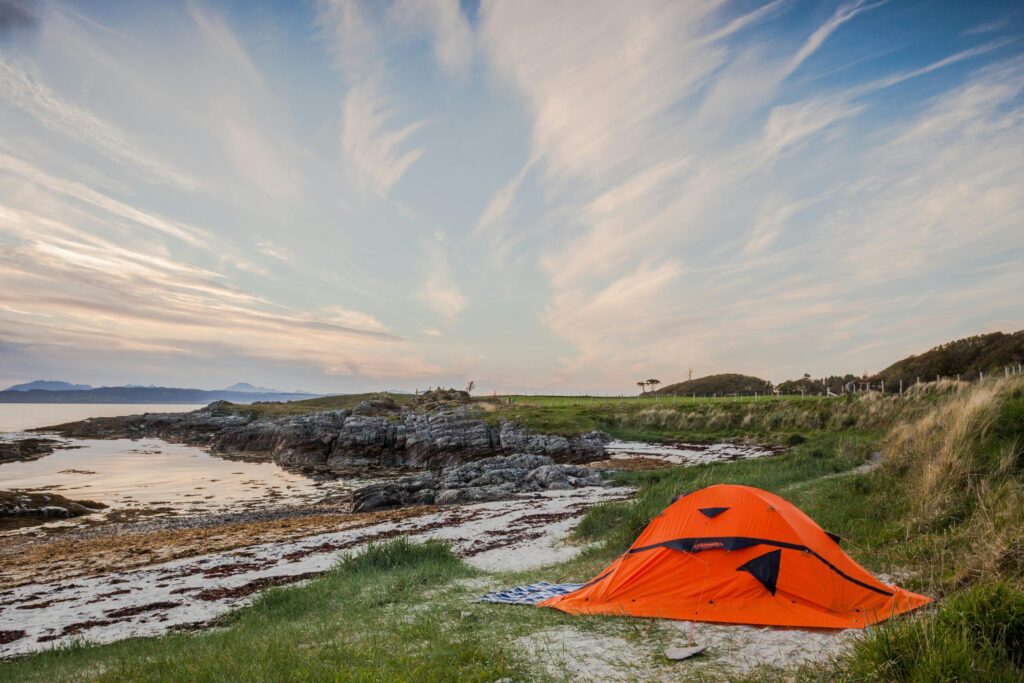
£500 Setup – “Dialled In, No Excuses”
Now you’re removing friction completely.
This isn’t luxury it’s efficiency.
What You’re Getting
- High-quality lightweight tent or premium bivvy (£150–£250)
- Warm, compressible sleeping bag (£120–£180)
- Quality insulated sleeping mat (£70–£120)
- Ergonomic lightweight backpack (£80–£120)
- Reliable compact stove system (£40–£80)


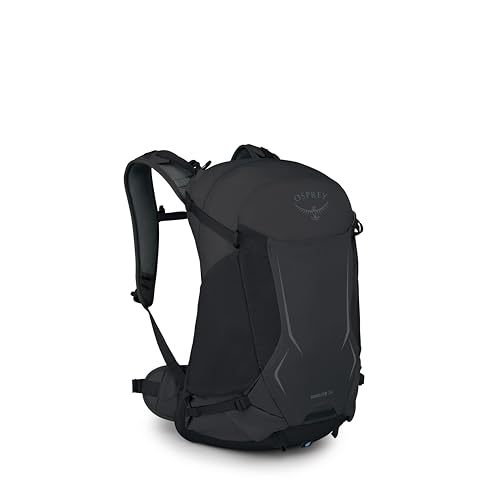
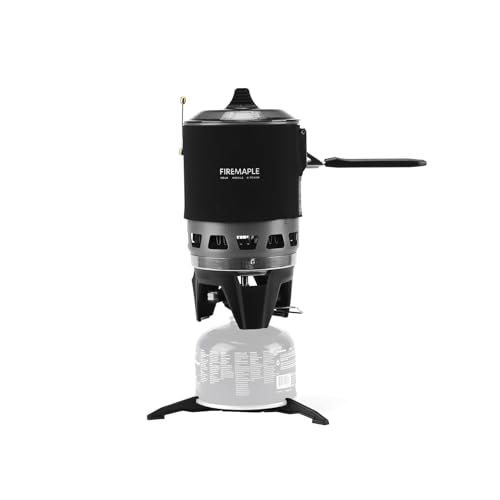
Once your sleep system is sorted, round it out with lightweight hiking EDC that covers the small stuff.
The Reality
- Lighter on your back
- Faster to pack and move
- Warmer, more consistent sleep
- Handles tougher UK conditions
At this level, the gear disappears and that’s exactly what you want.
What Not to Waste Money On (At Any Budget)
This is where people get caught.
❌ Overkill Tools
You don’t need axes, machetes, or survival kits for UK wild camping.
❌ Tactical Gear
Looks cool. Completely unnecessary.
❌ Cheap “All-in-One” Kits
Usually low quality across the board. You’re better off buying fewer, better pieces.
❌ Duplicates “Just In Case”
Extra weight = worse experience.
The same rule applies to everyday carry: buy simple gear that earns its place, not stuff that just looks adventurous.
The Smart Way to Build Your Setup
Don’t rush to £500.
Start here:
- Get a £150–£300 setup
- Use it
- Notice what actually annoys you
- Upgrade that specific thing
That’s how you build a kit that works for you not someone on YouTube.
Final Take
You don’t need expensive gear to start wild camping in the UK.
But you do need:
- Realistic expectations
- Smart priorities
- And the discipline to avoid buying rubbish
£150 gets you out there.
£300 makes it enjoyable.
£500 makes it seamless.
Anything beyond that?
Diminishing returns.
Before heading out overnight, make sure your first-aid kit covers the basics too.
UK Wild Camping Setup FAQs
Can you build a wild camping setup for under £500?
Yes. If you buy carefully, £500 is enough for a simple tent, sleeping bag, sleeping mat, stove, waterproof layer, headtorch and a few essentials. You won’t get the lightest premium kit, but you can build a reliable beginner setup.
What should I spend the most money on?
Prioritise sleep and weather protection. A good sleeping bag, sleeping mat and shelter will make the biggest difference to comfort, warmth and whether you actually enjoy the night.
Is budget wild camping gear any good?
Some of it is. Budget gear is often heavier and less refined, but that doesn’t mean it’s useless. The key is avoiding false economy: cheap kit that fails, leaks, weighs a tonne or leaves you cold is not a bargain.
Where can I legally wild camp in the UK?
Scotland allows responsible lightweight camping under access rights, while most of England and Wales usually requires landowner permission. Dartmoor is the main exception in England, but only in permitted backpack camping areas. Always check the current local guidance before you pitch.
What is the best beginner wild camping setup?
Start simple: a small tent, three-season sleeping bag, insulated mat, headtorch, stove, water bottle, first-aid kit and a waterproof jacket. Add luxuries later once you know what you actually miss.
Should I buy lightweight or durable camping gear first?
For beginners, durable usually beats ultralight. Once you know you enjoy wild camping, you can upgrade to lighter kit. Early on, reliable and comfortable matters more than shaving every gram.