
Field Notes From the Edge
Track five core habits. Reflect each morning and night. Build direction through repetition… not motivation.
A FREE 90-day structure for those who want to show up, not just think about it.
A Quick Note on Links
As an Amazon Associate I earn from qualifying purchases.
This helps me create more class content for you to get inspired by.
Please Note
Outdoor activities involve risk. The information on this site is for general guidance only and should not replace proper training, manufacturer instructions, local laws, or your own judgement. Always use equipment safely and responsibly.
When you’re out exploring the wild corners of the UK – whether you’re wild camping in the Lake District, fishing in Scotland, or hiking the Welsh hills – having a solid outdoor first aid kit is just as important as your favourite EDC knife or multitool.
If you’re building a full hiking setup, pair your first-aid kit with these EDC essentials for UK summer hikes.
Let’s break down what you actually need in your first-aid EDC for the UK, why it matters, and how to stay prepared without lugging around a pharmacy.
Why a First-Aid EDC Matters in the UK
Let’s be real: accidents happen. The UK’s rugged terrain, unpredictable weather, and remote spots can turn a minor scrape into a bigger problem if you’re not prepared. Plus, UK law means you can’t always rely on carrying certain tools so a well-packed outdoor first aid kit UK style is your best backup.
The Essentials: What to Pack in Your Outdoor First Aid Kit UK
Here’s what I recommend for a practical, lightweight, and UK-legal first-aid EDC kit:
1. Plasters & Dressings
Safety First Aid Group HypaPlast Pink Washproof, Assorted

Blister care matters even on easy, train-accessible outdoor escapes, because the walk back to the station still counts.
JFA Medical Premium Sterile Gauze Swabs

Microporous Medical Tape Waterproof

2. Bandages
Safety First Aid Group Crepe Cotton Bandages

HypaBand Triangular Bandage

3. Antiseptic Wipes & Cream
HypaClean Sterile Moist Wound Cleansing Wipes

Savlon Antiseptic Cream

4. Pain Relief
- Paracetamol or ibuprofen (for headaches, aches, or minor pain)
- Tip: Always keep medication in original packaging for safety and legal reasons.
5. Safety Pins & Tweezers
JKG® 50x Safety Pins

Wolf & Griffin Black Edition Ultimate Precision Tweezers
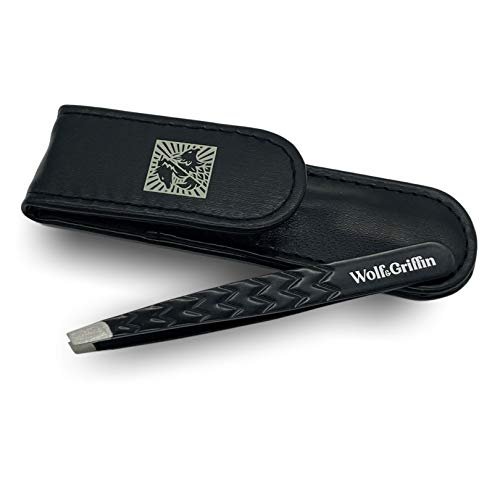
Remove ticks properly, don’t twist, burn or smother them, and keep an eye out for a rash or flu-like symptoms afterwards.
A tick remover is worth packing for woodland, grassland and coastal walks where your route dips through scrub or long vegetation.
6. Gloves
Unigloves Black Pearl Nitrile Examination Gloves

7. Emergency Blanket
Safety First Aid Group HypaGuard Foil Survival Blanket

An emergency blanket also earns its place in a pocket-sized survival kit because it weighs almost nothing and can help in a cold, awkward wait.
8. CPR Face Shield
Safety First Aid Group Group HypaGuard Face Shields

9. Small Scissors

10. Personal Medication
- Inhalers, EpiPens, or any prescription meds you need—don’t forget these.
11. First-Aid Manual or Cheat Sheet
First Aid Manual 11th Edition

Pro EDC Tips for UK Adventurers
- Keep it compact. Use a small waterproof pouch—think “grab and go.”
- Check expiry dates every season.
- Customise for your trip: Heading to Scotland in midge season? Add insect repellent and bite cream.
- Stay legal: Only carry items allowed under UK law—avoid blades over 3 inches unless you’ve got a valid reason.
Where to Buy an Outdoor First Aid Kit UK
You can build your own (recommended for EDC fans) or buy a ready-made kit.
Check out reputable UK outdoor retailers like Cotswold Outdoor, Go Outdoors, or even Amazon UK for solid starter kits.
Affiliate links are a great way to support the blog – look out for my recommended kits below!
Final Thoughts
A well-packed first-aid EDC UK kit means you’re ready for whatever the British outdoors throws at you. It’s about being responsible, looking after your mates, and keeping your adventures safe and fun.
Gear helps, but a few basic bushcraft skills and calm decision-making make your outdoor kit far more useful.
Got your own must-have first-aid item? Drop it in the comments or tag @WilderEdgeBlog on Instagram. Stay wild, stay safe!
Outdoor First-Aid Kit FAQs
What should be in a hiking first-aid kit?
A basic hiking first-aid kit should include plasters, blister plasters, sterile dressings, bandages, antiseptic wipes, pain relief, tick remover, safety pins, gloves, medical tape and any personal medication you need.
Do I need a first-aid kit for short walks?
Yes, even a small one. You probably don’t need a full expedition kit for a local walk, but plasters, blister care, pain relief and a tick remover can save a simple day out from becoming miserable.
What is the most forgotten first-aid item for outdoor trips?
Blister care. A small hot spot on your heel can ruin a hike fast, so blister plasters or tape are worth carrying even when you’re travelling light.
Should I carry a tick remover in the UK?
Yes, especially if you walk through long grass, woodland, heathland or areas with deer. The NHS says ticks should be removed with fine-tipped tweezers or a tick-removal tool, gripping close to the skin and pulling upwards carefully.
Can I carry painkillers in my first-aid kit?
Yes, but keep them in their original packaging where possible and only use medication you know is suitable for you. If you’re walking with others, don’t hand out medication casually unless you know it’s safe for that person.
Is a first-aid kit enough for serious outdoor emergencies?
No. A first-aid kit is there to help with minor injuries or stabilise things while you get proper help. For serious injuries, severe allergic reactions, chest pain, heavy bleeding, breathing problems or loss of consciousness, call emergency services.