
Field Notes From the Edge
Track five core habits. Reflect each morning and night. Build direction through repetition… not motivation.
A FREE 90-day structure for those who want to show up, not just think about it.
A Quick Note on Links
As an Amazon Associate I earn from qualifying purchases.
This helps me create more class content for you to get inspired by.
Please Note
Outdoor activities involve risk. The information on this site is for general guidance only and should not replace proper training, manufacturer instructions, local laws, or your own judgement. Always use equipment safely and responsibly.
A camp kitchen doesn’t need to be complicated.
You don’t need a folding table, three pans, a spice rack, a chopping board the size of a paving slab, and a “camp chef” personality you developed after watching one YouTube video.
For wild camping, hiking trips and simple weekend camps, your kitchen should do three things well:
- boil water
- cook basic food
- pack away cleanly without taking over your rucksack
That’s it.
The best camp kitchen is small, reliable and easy to use when you’re tired, cold, hungry and trying to make dinner before the light disappears.
Quick Setup: The Simple Rucksack Camp Kitchen
For most UK wild camps and weekend trips, this is all you really need:
- compact stove
- gas canister or fuel
- lighter or fire steel
- small pot or cooking mug
- spork
- water bottle or filter
- simple food
- coffee or tea
- small cloth
- rubbish bag
- dry bag or pouch to keep it together
That setup will cover hot drinks, porridge, noodles, dehydrated meals, soup, basic pasta and simple one-pot camp food.
Not glamorous. Very useful.
The Rule: Build Around How You Actually Eat
Before buying gear, be honest about what you’ll cook.
Some people imagine themselves making proper meals outdoors. Then they get to camp, sit in damp socks, and realise all they really want is coffee, noodles and something warm in a pouch.
That’s fine.
Your camp kitchen should match your actual habits, not your fantasy woodland cooking show.
If you mostly boil water
Get a compact stove, pot, mug and dehydrated meals.
If you want simple meals
Add a slightly better pot, a small bottle of oil, seasoning and easy ingredients.
If you want proper campsite cooking
You probably need more space, more cookware and a different setup. This article is about rucksack kitchens, not boot-of-the-car kitchens.
1. Stove: The Heart of the Camp Kitchen
Your stove decides how simple or annoying dinner becomes.
For most people, a small gas canister stove is the easiest place to start. It’s light, fast and doesn’t require much learning. Screw it onto a gas canister, light it, cook.
MSR Pocket Rocket 2 Ultralight Backpacking Camping Stove

The MSR PocketRocket 2 is a proper classic. MSR lists it as a compact canister stove, and it is widely known as a lightweight backpacking option with a simple folding design. It’s a strong all-round pick for wild camping, hiking and weekend camps.
Best for: most campers who want a simple, reliable stove.
Why it works:
- small packed size
- easy to use
- good for boiling water
- reliable brand
- pairs well with a small pot
Possible downside: upright canister stoves can feel top-heavy, especially with bigger pots. Use a flat surface and don’t balance your dinner like a circus act.
2. Wind-Friendly Stove: For Exposed UK Camps
UK weather has a special talent for appearing the moment you light a stove.
If you often camp on exposed ground, coastal spots or windy hillsides, a better wind-performing stove is worth considering.
SOTO Windmaster Combo Portable Stove
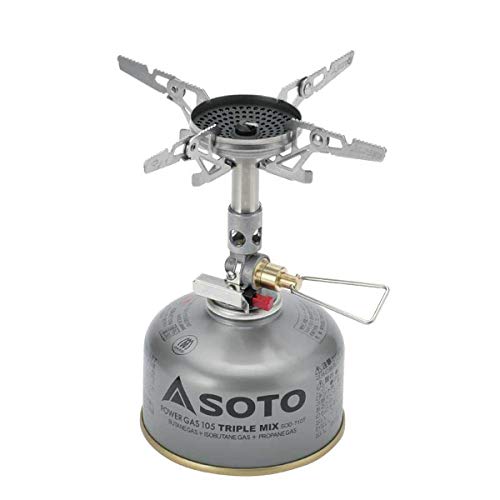
The Soto WindMaster is designed for stronger performance in wind. Soto lists the WindMaster with an output of 3260W / 11,000 BTU, with weights from around 60g without pot support to 87g with the 4Flex pot support.
Best for: exposed camps, windy brew stops and more regular wild campers.
Why it works:
- better wind performance
- strong output
- compact design
- good pot support with 4Flex
- quality feel
Possible downside: it costs more than basic budget stoves.
3. Budget Stove: Keep It Tiny, Cheap and Useful
If you’re building a camp kitchen on a budget, you don’t need to spend loads.
Tiny gas stoves can do the job if you respect their limits.
BRS Stove 3000T Backpacking Stove

The BRS 3000T is one of the most popular ultralight budget stove options. Retailers commonly list it at around 26g, which is absurdly light for a stove. It’s small enough to disappear into a mug or cook pot.
Best for: ultralight setups, budget wild camping and emergency brew kits.
Why it works:
- very cheap
- ridiculously light
- tiny packed size
- simple to use
- ideal for boiling water
Possible downside: it’s not as stable as chunkier stoves. Use a small pot, flat ground and common sense.
This is a good stove if your camp kitchen is mainly coffee, porridge, noodles and pouch meals.
4. All-in-One Stove System: For Fast Brews and Pouch Meals
If your camp cooking is mostly boiling water, an all-in-one stove system can make life very easy.

The Jetboil Stash is built around fast boiling. Jetboil lists the Stash as a 0.8 litre cooking system with a claimed 150-second boil time per 0.5 litre. It’s designed for quick water boiling rather than proper pan cooking.
Best for: dehydrated meals, coffee, porridge and fast solo camps.
Why it works:
- quick boiling
- efficient setup
- pot and stove designed together
- tidy packed system
- ideal for brew-and-bag camping
Possible downside: not as flexible if you want to properly cook or simmer meals.
If your camp menu is “boil water, pour, wait, eat”, this kind of system is brilliant.
5. Alcohol Stove: For Slow, Simple Camp Cooking
Not everyone wants speed.
Some people like the slower, quieter rhythm of an alcohol stove. Less hiss. Less faff. More old-school camp feel.
Trangia Mini Cookset With Spirit Burner

The Trangia Mini is a compact alcohol stove system built for one person. Trangia lists it at 350g, with packed dimensions of Ø150 x 67mm, including a small pot, frypan, handle and spirit burner.
Best for: slower camps, simple meals and relaxed weekend setups.
Why it works:
- simple
- quiet
- self-contained
- no gas canister needed
- good for slower cooking
Possible downside: slower than gas and less convenient if you just want water boiled fast.
A Trangia Mini makes sense if you enjoy the process, not just the result.
6. Pot or Cooking Mug: Keep It Small
Once you’ve picked a stove, you need something to cook in.
For a simple rucksack kitchen, a small pot or cooking mug is enough.
Fire-Maple 600ml G3 Petrel Ultralight Camping Pot

Sea to Summit - Frontier Ultralight Collapsible Kettle 1.1L

MSR Pika Hard-Anodized Aluminum Camping Teapot
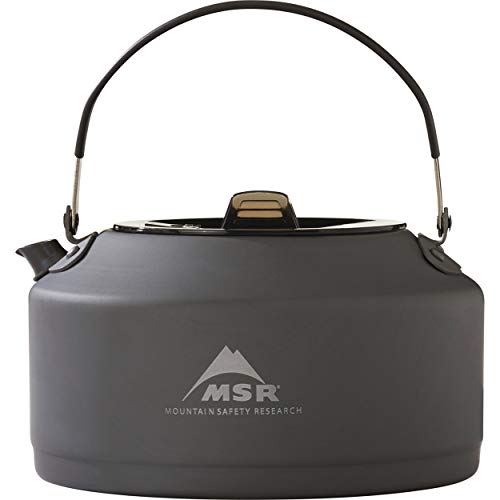
For solo trips, something around 650ml to 900ml is usually enough.
You can boil water, make coffee, cook noodles, heat soup and sort basic one-pot meals. If you’re cooking for two, go bigger.
Look for:
- folding handles
- lid
- measurement markings
- stable base
- enough room for your stove or gas canister inside
A pot that nests your stove, lighter and cloth inside is ideal. That way your kitchen becomes one small bundle instead of loose bits rattling around your bag.
7. Mug: Don’t Overthink It
You can drink from your cooking pot.
You can also bring a mug like a civilised outdoor goblin.
Fire-Maple Alti 300ml Camping Titanium Cup

Sea to Summit - X-Brew Coffee

HaWare Enamel Coffee Tea Mug Set of 4

A collapsible mug saves space. A titanium mug is light and tough. An enamel mug looks great but can be heavier and noisier.
Pick your personality flaw.
For most rucksack setups, I’d go collapsible or titanium.
8. Spork or Spoon: One Tool Is Enough
You do not need a full cutlery roll.
You need one thing that gets food from pot to face.
BISDARUN Sporks Titanium Metal Set of 6 Stainless Steel

Sea To Summit Frontier Ultralight Long Handle Spork

Light My Fire Spork

A long-handled spork is especially useful if you eat dehydrated meals from pouches. It saves you from scraping food out of the bottom like a desperate raccoon.
Best option: long-handled spoon or spork.
Avoid: flimsy plastic cutlery that snaps halfway through dinner.
9. Lighter and Backup Ignition
Always carry a lighter.
Even if your stove has built-in ignition.
Especially if your stove has built-in ignition.
Piezo igniters are handy, but they can fail. A cheap lighter weighs almost nothing and saves the evening.


For most trips, I’d carry:
- one lighter in the cook kit
- one backup lighter or fire steel elsewhere
That’s not dramatic. That’s just not being daft.
10. Fuel: Match It to Your Stove
This bit sounds obvious until someone buys the wrong thing.
Gas stoves need compatible screw-on gas canisters. Alcohol stoves need methylated spirits or suitable spirit fuel. Integrated systems usually run on gas canisters too.
Coleman Extra Value 6 x C500 Gas Cartridge (Pack of 6)

EKOFUEL (2 x 1 Litre) Premium Bioethanol Fuel Liquid

Trangia 1 Litre Fuel Bottle with Safety Valve for Liquid Fuel

For a one-night camp, a small gas canister is usually enough if you’re only boiling water and making simple food.
Cold weather, wind and long boil times use more fuel.
Simple rule: take a bit more than you think you’ll need until you know your setup.
11. Food: Build Around Easy Wins
The best rucksack camp kitchen is only useful if the food is simple.
For one-night camps, keep the menu boring in the best way.
Easy camp breakfast ideas
- porridge sachets
- instant coffee
- breakfast bars
- dried fruit
- peanut butter wraps
Easy camp dinner ideas
- instant noodles
- couscous
- dehydrated meal
- soup sachet
- pasta packet
- rice pouch if you don’t mind the weight
Easy snacks
- trail mix
- chocolate
- oat bars
- jerky
- nuts
- sweets
- flapjack
Firepot Vegan Ration Expedition Pack (5 Meals)

Wayfayrer Camping Food 300g Ready to Eat

nakd. Variety pack - Raw fruit & nut bars

Don’t make your first wild camp meal complicated. Cooking outdoors is fun. Washing up a sticky pan in the dark with cold hands is less poetic.
12. Water: Cooking Needs More Than You Think
Water disappears quickly at camp.
You drink it. You cook with it. You make coffee. You rinse things. You spill some because you’re tired and apparently can’t function after sunset.
For a simple overnight camp, carry enough water or know exactly where you’ll collect it.
Sawyer Products Squeeze SP129 Waterfilter

Katadyn BeFree 1.0L Water Filter

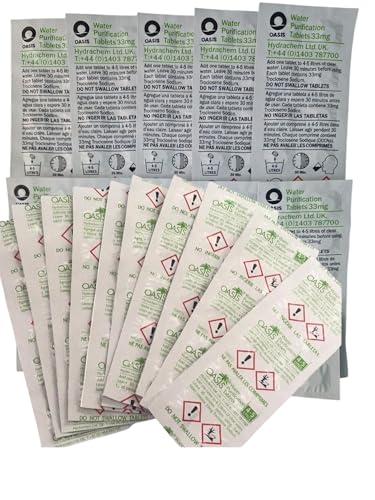
Oasis Water Purification Tablets (33mg)
Chilly's Original Water Bottle
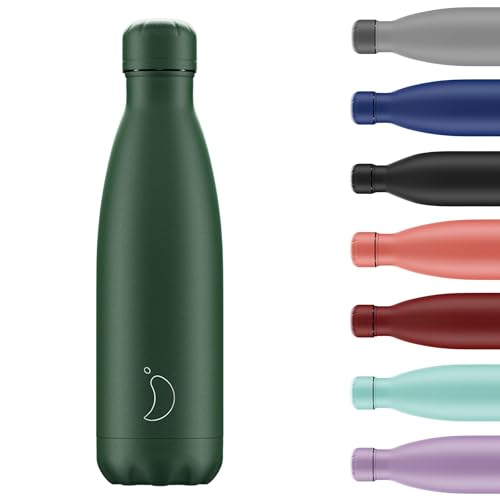
If you’re using natural water, filter or treat it properly. Clear water isn’t automatically clean water.
Water purification is one of those basic outdoor skills worth learning before you actually need it.
13. Small Cleaning Kit: The Boring Bit That Matters
You don’t need a washing-up bowl.
You do need a way to clean up without leaving a mess.
Pack:
- small cloth or sponge
- tiny bottle of biodegradable soap
- rubbish bag
- zip bag for dirty items
- paper towel or reusable wipe
Sea To Summit Wilderness Wash (1.3 Ounce/ 40ml)

Brabantia Microfibre Cleaning Cloths (x 2)

50 Pcs Zip Lock Bags

Use soap sparingly and away from streams, lakes and rivers. Better still, wipe pots clean first, then rinse properly when you’re back.
The less messy your food, the easier this gets.
Porridge stuck to a pot is basically outdoor cement. Act quickly.
14. Storage: Keep the Kitchen Together
A small pouch or dry bag makes the whole setup easier.
Unigear Waterproof Dry Bag

OEX 15 Litre Drysac, Orange, One Size

SEA TO SUMMIT - Lightweight Dry Bag M 8L
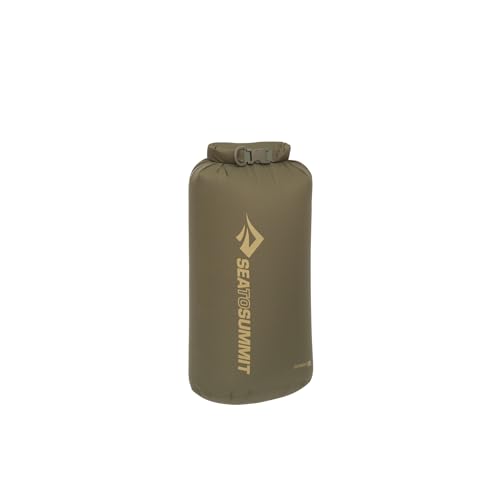
Keep your stove, lighter, cloth, spork and small extras together. Then when you reach camp, you’re not digging through socks and waterproofs trying to find the thing that makes food happen.
A simple kitchen dry bag might contain:
- stove
- lighter
- spork
- cloth
- tea/coffee
- seasoning
- rubbish bag
- small bottle of oil
- backup matches
That’s your camp kitchen. One bag. No drama.
15. Seasoning and Small Luxuries
This is where camp food gets better without adding much weight.
Pack tiny amounts of:
- salt
- pepper
- chilli flakes
- hot sauce
- olive oil
- stock cube
- coffee
- tea bags
- powdered milk
- sugar sachets
Mrsdry Travel Bottle

The Nomads Kitchen Camping Spice Kit

A tiny bottle of hot sauce can rescue a very average meal.
Same with olive oil. A little fat makes simple food feel less like punishment.
This is where you get flavour without carrying half a kitchen.
Simple Camp Kitchen Setups
Minimalist brew kit
Best for fast overnighters and people who only need hot drinks or pouch meals.
- BRS 3000T Stove
- small gas canister
- titanium mug or pot
- Bic lighter
- long-handled spork
- coffee bags
- dehydrated meal
Reliable wild camp kitchen
Best for most UK wild campers.
- MSR PocketRocket 2
- small gas canister
- 750ml to 900ml pot
- gas canister stand
- lighter
- spork
- small cloth
- dry bag
- simple meals
Windier weather setup
Best for exposed camps and shoulder-season trips.
- Soto WindMaster
- 4Flex pot support
- gas canister
- stable pot
- lighter
- warm meal
- hot drink
- sheltered cooking spot
Slow weekend camp setup
Best for relaxed camps where cooking is part of the experience.
- Trangia Mini
- spirit fuel
- small food ingredients
- mug
- cloth
- seasoning
- rubbish bag
Fast boil setup
Best for dehydrated meals and coffee.
- Jetboil Stash
- gas canister
- coffee
- porridge
- dehydrated meal
- spork
Camp Kitchen Mistakes Beginners Make
Bringing too much cookware
One pot is usually enough. Maybe a mug. That’s it.
Forgetting a lighter
Built-in ignition is not a personality trait. Bring a backup.
Cooking too close to the tent
Don’t. Cook outside, away from fabric and anything flammable.
Choosing messy food
Sticky sauces, greasy pans and complicated meals are fine at a campsite. They’re annoying when your sink is a patch of grass and your washing-up system is regret.
Ignoring wind
Wind ruins boil times and wastes fuel. Find shelter or choose a stove that handles it better.
Forgetting rubbish
Pack it out. All of it. Food packets, wipes, tea bags, foil lids, the lot.
Quick Stove Safety Note
Use your stove outside, on stable ground and away from tent fabric. Don’t cook inside a tent. Don’t use a barbecue inside a tent, awning, caravan or enclosed shelter. GOV.UK’s outdoor fire safety guidance is clear that barbecues should not be used indoors or inside tents, and the same common sense applies to flames and stoves around camp. (gov.uk)
My Ideal Rucksack Camp Kitchen
If I were building one simple setup for most UK wild camps, I’d go with:
- MSR PocketRocket 2 or Soto WindMaster
- small gas canister
- 750ml titanium pot
- long-handled spork
- Bic lighter
- backup fire steel or spare lighter
- coffee bags
- dehydrated meal or noodles
- small cloth
- tiny bottle of hot sauce
- rubbish bag
- dry bag to hold it all
That setup is light, compact and useful.
It won’t cook a roast dinner. It will make a brew, sort breakfast, heat dinner and pack away without taking over your bag.
That’s the point.
Final Thoughts: Keep It Small, Use It Often
A simple camp kitchen should make outdoor life easier, not turn your rucksack into a mobile cupboard.
Start with the basics. Stove, pot, lighter, spork, water, food, cloth, rubbish bag. Then only add things you actually use.
The more you camp, the more you’ll learn what matters.
Maybe you’ll want faster boil times. Maybe you’ll want better coffee. Maybe you’ll realise you never cook anything more advanced than noodles and should stop pretending otherwise.
Good. That’s how kit gets better.
Build small. Test it. Refine it. Pack it again.
Simple Camp Kitchen FAQs
What do I need for a basic camp kitchen?
For a basic rucksack camp kitchen, you need a compact stove, fuel, lighter, small pot, spork, water, simple food, a cloth and a rubbish bag. That’s enough for most one-night camps and weekend trips.
What is the best stove for a small camp kitchen?
For most campers, the MSR PocketRocket 2 is a strong all-round choice. It’s compact, reliable and easy to use. If you often camp in windier conditions, the Soto WindMaster is a smart upgrade.
Can I cook inside my tent porch?
It’s safer not to. Cook outside, away from tent fabric and anything flammable. If the weather is awful, wait it out or use a properly sheltered outdoor spot with plenty of ventilation and space.
What food is easiest for wild camping?
Porridge, noodles, couscous, dehydrated meals, soup sachets, wraps, trail mix and coffee are all easy options. For your first few trips, choose food that only needs boiling water.
Is a Jetboil worth it for wild camping?
A Jetboil-style system is worth it if you mainly boil water for coffee, porridge and dehydrated meals. If you want to actually cook meals, a separate stove and pot is usually more flexible.
How do I keep my camp kitchen clean?
Keep meals simple, wipe your pot straight after eating, carry a small cloth, pack out all rubbish and avoid leaving food scraps behind. The less mess you make, the easier camp cooking becomes.