
Field Notes From the Edge
Track five core habits. Reflect each morning and night. Build direction through repetition… not motivation.
A FREE 90-day structure for those who want to show up, not just think about it.
A Quick Note on Links
As an Amazon Associate I earn from qualifying purchases.
This helps me create more class content for you to get inspired by.
Please Note
Outdoor activities involve risk. The information on this site is for general guidance only and should not replace proper training, manufacturer instructions, local laws, or your own judgement. Always use equipment safely and responsibly.
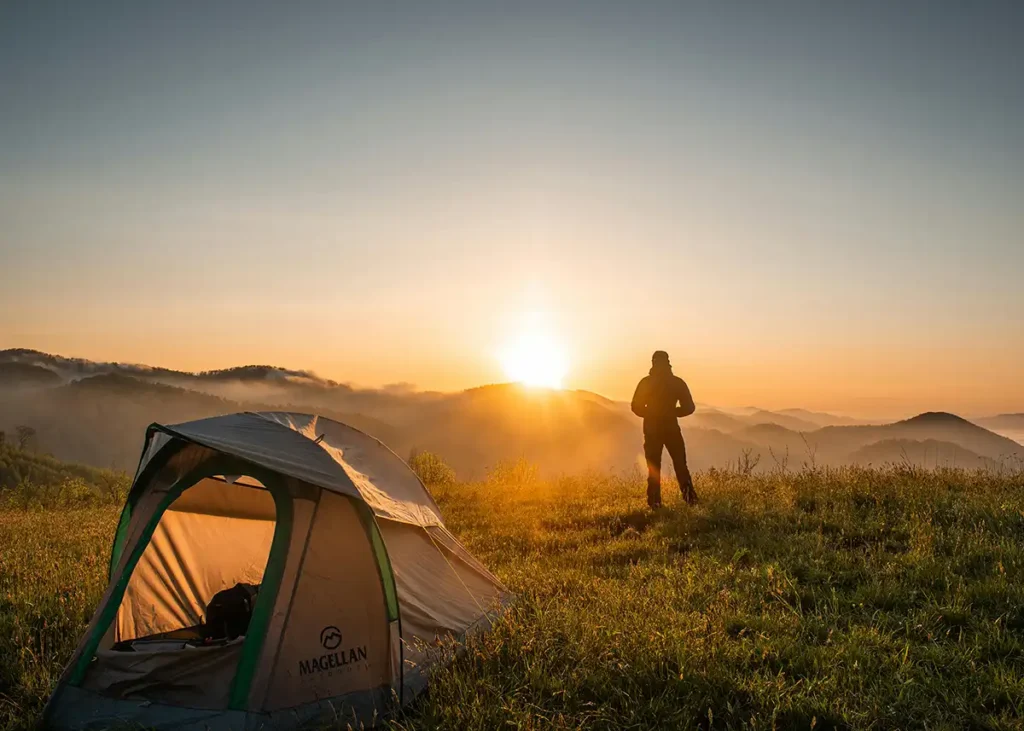
A one-night wild camp sounds simple. Tent. Sleeping bag. Food. Done.
Then you’re halfway up a hill, the wind starts getting ideas, your socks are damp, your phone is on 12%, and you realise the “quick overnight adventure” has turned into a live test of every decision you made in your kitchen.
The good news? You don’t need loads of gear for a one-night wild camp in the UK. You just need the right gear, packed with a bit of thought.
This guide keeps it simple: what to take, what to skip, and how to avoid turning your first night out into a cold, soggy lesson in regret.
If you’re still building your kit, this UK wild camping setup guide breaks down a few budget-friendly ways to do it properly.
Quick Wild Camping Note
Wild camping rules vary across the UK. Scotland allows responsible lightweight camping in many places under the Scottish Outdoor Access Code, but England and Wales are much more restricted and usually require landowner permission. Dartmoor is the main exception in England, but only in permitted backpack camping areas shown on Dartmoor National Park’s camping map.
Keep it small, quiet and low-impact. Arrive late, leave early, and make it look like you were never there.
Before you pitch anywhere, it’s worth knowing where you can actually wild camp in the UK.
The One-Night Wild Camp Packing List
For one night, your kit needs to cover seven things:
- Shelter
- Sleep
- Warmth
- Food and water
- Light
- Safety
- Leave no trace
That’s it.
You’re not moving house. You’re spending one night outside.
The trick is packing enough to stay safe and comfortable without carrying a bag that makes every hill feel personal.
1. Shelter: Tent, Tarp or Bivvy?
Your shelter is the thing that keeps the night from turning against you.
For most beginners, a small tent is the easiest choice. It gives you proper protection from rain, wind, insects and the slightly irrational feeling that every noise outside is absolutely coming to investigate you.
Best beginner option: lightweight one-person tent
OEX Phoxx II 2 Man Technical Tent with Porch Area
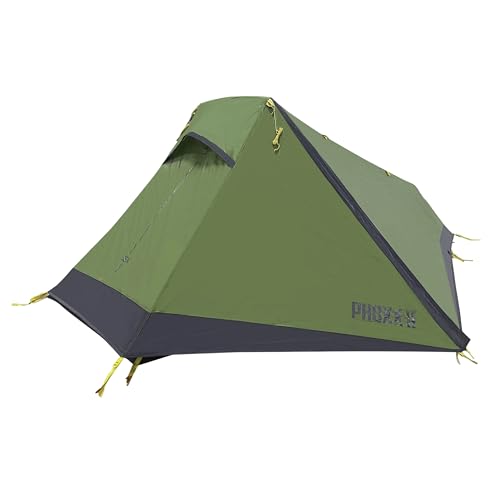
Wild Country Helm Compact 2 Tent

Naturehike Cloud Up Pro 1 Man Tent

A decent one-person or compact two-person tent is the safest starting point. It doesn’t need to be ultralight. It needs to be reliable, weather-resistant and small enough to carry without hating yourself.
Look for:
- waterproof flysheet
- decent groundsheet
- simple pitch
- good packed size
- enough room for you and your bag
- sensible weight
For UK wild camping, I’d prioritise weather protection over shaving every possible gram. A tent that weighs a little more but actually handles rain is better than a fragile ultralight shelter that feels like wrapping yourself in a crisp packet.
Alternative option: bivvy bag

A bivvy bag is smaller, lighter and more minimal than a tent. It’s brilliant if you want a stripped-back night under the sky.
But for beginners, it can feel more exposed. There’s less comfort, less room, and more chance of condensation if conditions aren’t right.
Best for: experienced campers, stealthy overnighters, dry weather, minimalist setups.
Alternative option: tarp

DD Hammocks - DD Tarp 3x3

Unigear Tarp Rain Fly Tarp
A tarp gives you loads of flexibility. It’s great once you know how to pitch it properly.
But if you’re new, practise at home first. Trying to learn tarp angles in the rain with cold fingers is character-building in the worst possible way.
Practise your shelter setup at home first, especially if you’re using a tarp rather than a tent.
2. Sleeping Bag: Don’t Guess the Temperature
A sleeping bag is where a lot of beginners get caught out.
The UK can feel mild in the day and then turn cold fast once you stop moving. Hills, wind, damp ground and exposed camps all steal warmth.
For most UK one-night wild camps, a three-season sleeping bag is the safer choice unless you’re definitely camping in warm summer conditions.
OEX Drift 700 Sleeping Bag

Vango Nitestar Alpha 250 Sleeping Bag
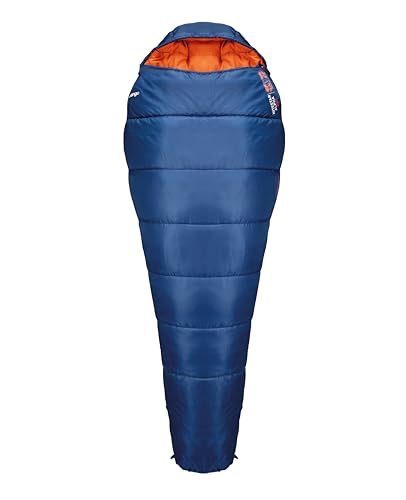
Highlander Trekker Superlite 1-2 Season Lightweight Sleeping Bag
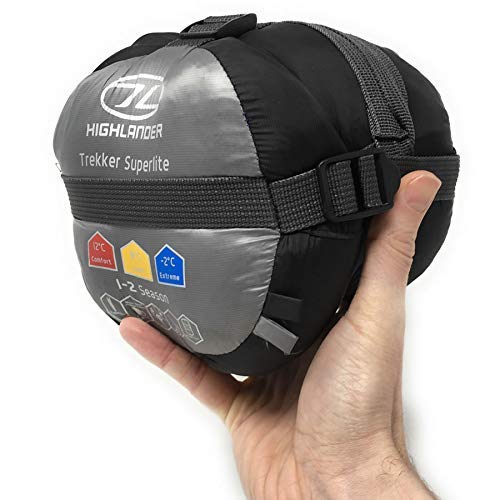
Look for:
- comfort rating, not just “season” rating
- hood for colder nights
- pack size
- weight
- synthetic fill for better damp-weather reliability
Synthetic bags are usually cheaper and handle damp conditions better. Down bags pack smaller and feel lovely, but they cost more and need more care.
For beginners, synthetic is the sensible route.
3. Sleeping Mat: The Thing People Undervalue
Your sleeping bag keeps warmth around you.
Your sleeping mat stops the ground stealing it.
Ignore this and you’ll spend the night wondering why your expensive sleeping bag feels useless.
TREKOLOGY UL Sleeping Pad, Camping Mattress
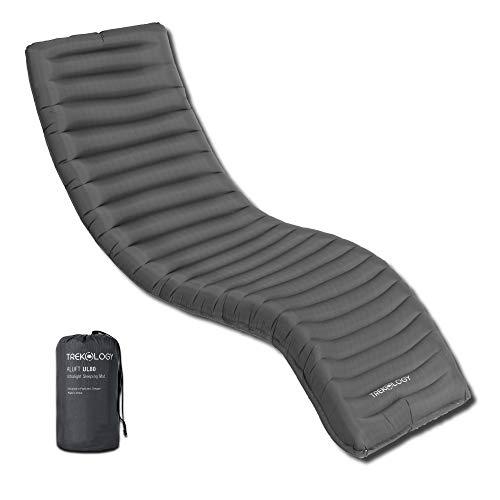
Berghaus Peak Compact Self-Inflating Mat

Trail Camping Mat Aluminium Foil Thermal Insulated Roll Pad

There are three main options:
Foam mat
Cheap, reliable, basically indestructible. Not the comfiest, but it works.
Self-inflating mat
More comfortable. Good for beginners. Slightly bulkier.
Inflatable mat
Packs small and can be comfortable, but punctures are possible, so don’t chuck it straight onto sharp ground.
If you sleep badly outdoors, upgrade your mat before blaming the tent.
For more budget sleep-system ideas, the under-£500 wild camping setup guide is worth a look.
4. Clothing: Pack for the Night, Not the Forecast
The forecast is useful.
It is not a promise.
For a one-night UK wild camp, pack clothing that handles three things:
rain
temperature drop
wind
You don’t need loads of spare clothes, but you do need a dry layer to sleep in.
Clothing to pack
- waterproof jacket
- spare socks
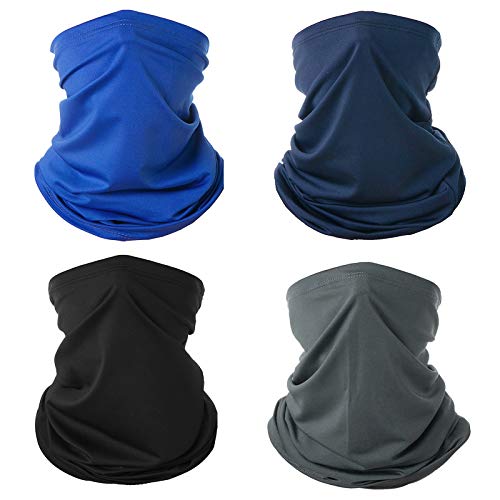
- hat or buff
- suitable walking trousers
- warm mid-layer or fleece
- base layer or dry sleep top
- lightweight gloves if it’s cool
- decent footwear
Berghaus Men's Stormcloud Jacket - Black, Large

HXC Multifunctional Headwear 4Pack Face Coverings
Niorasen Merino Wool Hiking Socks

A dry pair of socks at the end of the day can feel like luxury. Don’t underestimate that.
Avoid cotton if you can. It holds moisture, dries slowly and gets miserable when the temperature drops.
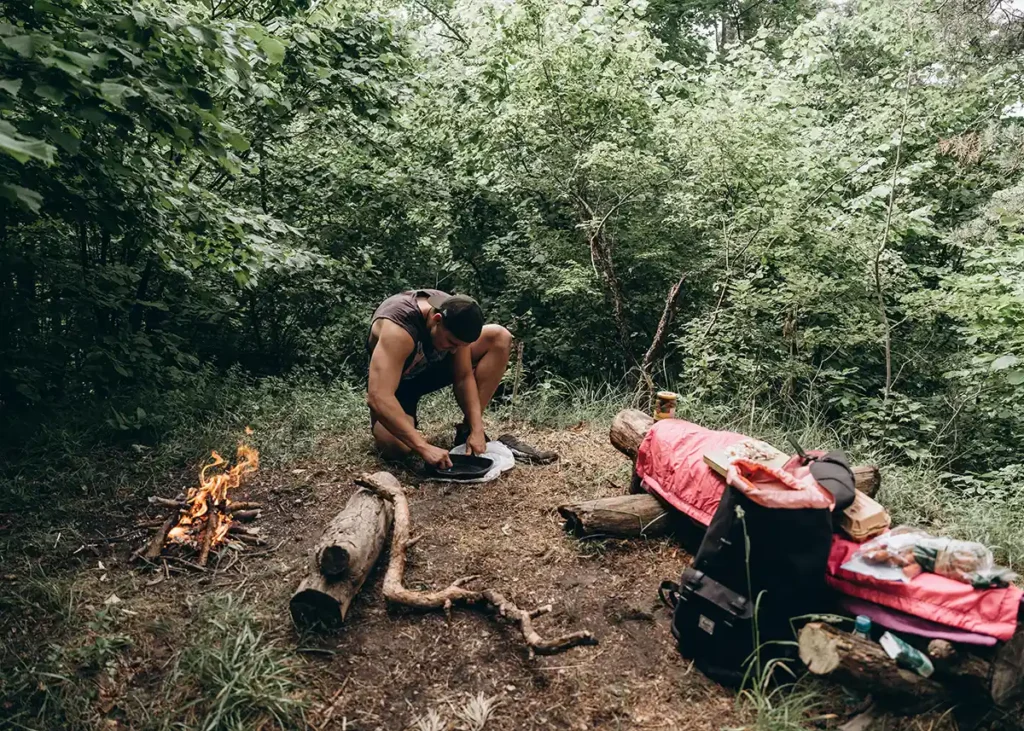
5. Food: Keep It Simple
For one night, you don’t need a full camp kitchen.
You need dinner, breakfast, snacks and a brew if you’re civilised.
Easy wild camp food ideas
- dehydrated meal
- couscous packet
- oat bars
- chocolate
- instant noodles
- porridge sachets
- trail mix
- coffee bags or tea bags
Firepot Vegan Ration Expedition Pack (5 Meals)

Wayfayrer Camping Food 300g Ready to Eat

nakd. Variety pack - Raw fruit & nut bars

Don’t make your first wild camp meal complicated. You’re not filming a moody mountain cookery show. You’re tired, hungry and probably sitting in a tent porch trying not to knock your stove over. Simple wins.
6. Stove and Cooking Kit
A small stove is enough for most one-night camps.

BRS Only 25g BRS-3000T Ultra-light Titanium Alloy Camping Stove

Jetboil Flash 1.0L Portable Fast Boil Stove

GREEN HAVEN Black Portable Camping Stove

Fire-Maple 600ml G3 Petrel Ultralight Camping Pot
Basic cooking kit
- small stove
- lighter
- spork
- rubbish bag
- gas canister
- pot or mug
- small cloth
A Jetboil-style system is fast and tidy, especially if you mostly want boiling water for meals and drinks.
A tiny screw-on gas stove is cheaper and more compact, but you’ll need a separate pot and a bit more patience in wind.
7. Water: Carry Enough and Have a Backup Plan
Water is heavy, annoying and essential.
For a one-night camp, many people carry what they need rather than relying on finding water. That’s often the safer beginner option.
What to pack
- 1.5–2 litres minimum for simple overnight trips
- more in hot weather
- water filter if using natural sources
- purification tablets as backup

Sawyer Products Squeeze SP129 Waterfilter

Katadyn BeFree 1.0L Water Filter
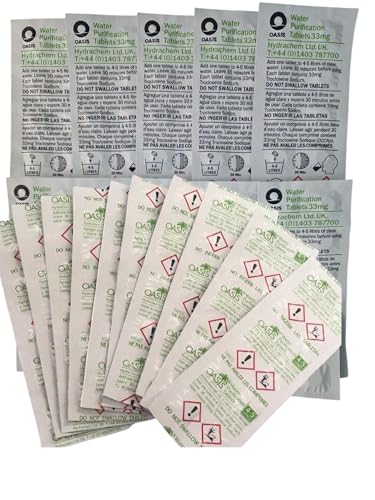
Oasis Water Purification Tablets (33mg)
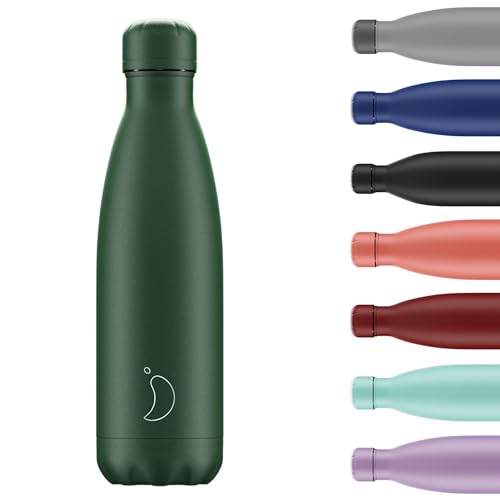
Chilly's Original Water Bottle
If you plan to filter water, know your source before you go. Don’t just assume every stream is clean because it looks nice on Instagram.
Water purification is one of those basic outdoor skills worth understanding before you need it.
8. Head Torch: Non-Negotiable
A head torch is not optional.
You’ll need it for pitching late, cooking, finding kit, toilet trips, checking guy lines, reading maps and generally avoiding face-planting into the nearest sheep rut.
PETZL Actik Core, Rechargeable Front Lamp

Black Diamond Spot 400-R

PETZL - Headlamp TIKKINA Black

Nitecore NU25 MCT UL Headlamp
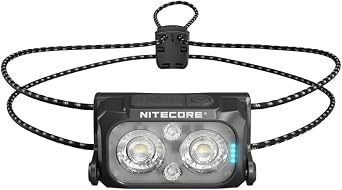
Ledlenser MH5 - Rechargeable Outdoor LED Head Torch

Silva Head Torch

Pack it where you can reach it quickly.
Not buried at the bottom of your bag like some kind of punishment.
A red light mode is useful around camp because it’s less harsh and helps preserve night vision. A lock mode is useful too, because nobody wants a torch that switched itself on inside a rucksack for four hours.
A reliable head torch is one of the most useful bits of kit you can carry on any overnight trip.
9. Power Bank and Phone
Your phone is camera, map, weather checker, emergency contact and entertainment if the weather traps you in the tent at 8pm.
Keep it alive.
Anker Laptop Power Bank, 25,000mAh

YOSH Waterproof Phone Pouch 2 Pack

Elecom Nestout Portable Charger

Phone tips
- download offline maps
- keep it warm overnight
- carry a short charging cable
- put it on battery saver
- don’t waste battery scrolling
- tell someone your plan before you go
Your phone is useful. Don’t make it your only plan.
10. Navigation: Don’t Rely on instinct
For a one-night camp, know where you’re going, where you’re sleeping, and how you’re getting back.
At minimum, have:
- offline map app
- route saved
- backup battery
- rough grid reference or location
- compass if heading somewhere remote
- paper map for proper hill/mountain trips
Silva compass navigation - EXPEDITION 4

Snowdon / Yr Wyddfa Map
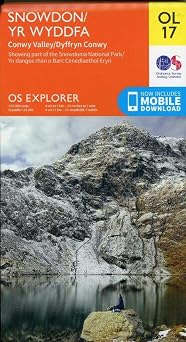
Orientation Compass, Waterproof Map Case with Emergency Whistle

You don’t need to become a mountain leader overnight, but you do need more than “I think the car is that way”.
If you want a low-fuss route, these train-accessible outdoor escapes are a good place to start.
11. First Aid and Small Safety Kit
You don’t need a paramedic bag.
You do need a small kit for the boring stuff that ruins trips.
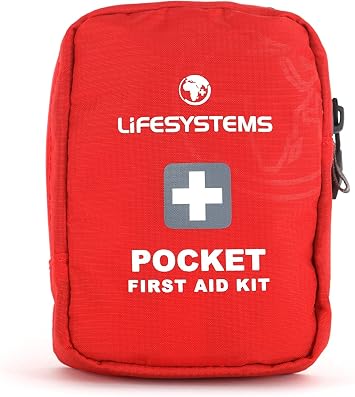
Lifesystems Pocket First Aid Kit
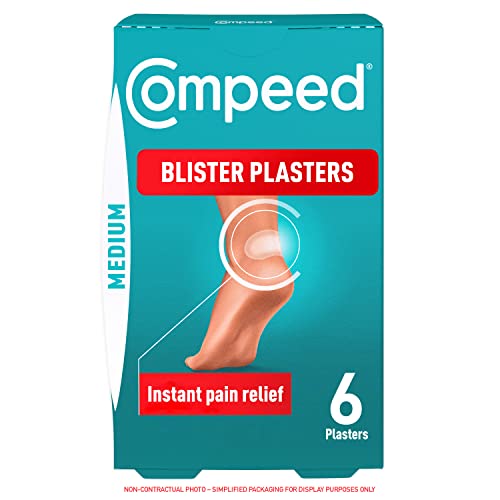
Compeed 6 Medium Size Blister Plasters
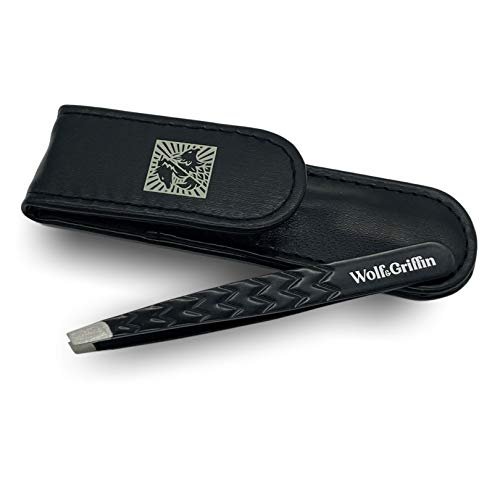
Wolf & Griffin Black Edition Ultimate Precision Tweezers
Emergency Survival Whistle Noopel Double Tubes
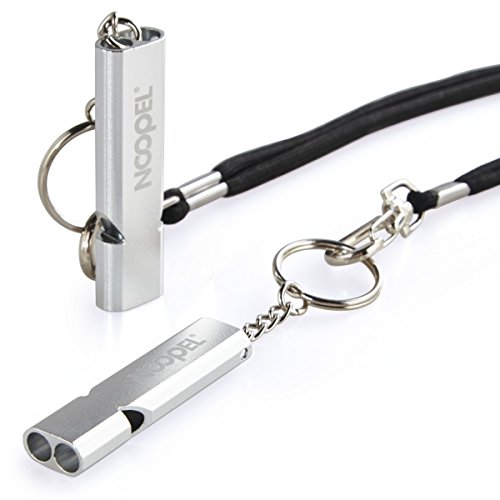
Safety First Aid Group HypaGuard Foil Survival Blanket

Pack these
- plasters
- pain relief
- tick remover
- personal medication
- whistle
- blister care
- antiseptic wipes
- small bandage
- emergency blanket
Blisters, cuts, headaches and cold waits are more likely than dramatic survival scenarios. Pack for what actually happens.
12. Hygiene and Toilet Kit
This is where people get lazy, don’t. Pack a tiny hygiene kit:
- toilet paper
- hand sanitiser
- sealable rubbish bag
- trowel where appropriate
- biodegradable soap used carefully and away from water sources
- toothbrush if you care about future you
Leave No Trace guidance is built around reducing your impact outdoors: plan ahead, dispose of waste properly, leave what you find, minimise campfire impact and respect other people and wildlife.
In simple terms: don’t leave rubbish, food waste, wipes or toilet paper behind.
Nobody wants to discover your “wild” moment tucked behind a rock.
13. Dry Bags and Packing
Dry kit makes everything better.
A few small dry bags or waterproof pouches can keep your sleep clothes, electronics and food organised.
OEX 15 Litre Drysac, Orange, One Size

Osprey Ultralight Dry Sack, 20L

YOSH Waterproof Phone Pouch 2 Pack
Simple packing system
Dry bag 1: sleep clothes
Dry bag 2: food
Dry bag 3: electronics
Side pocket: waterproof jacket
Top pocket: head torch, snacks, first aid
You don’t need a military packing system. Just make sure the important stuff stays dry and easy to find.
What Not to Pack for One Night
This matters as much as what you take.
For one night, skip:
- huge axe
- full change of clothes
- heavy book
- multiple cooking pots
- too much food
- giant knife
- massive lantern
- cast iron anything
- Bluetooth speaker
- “survival” gadgets you’ve never tested
A one-night camp is not an expedition.
Pack light. Move better. Enjoy it more.
One of the easiest beginner mistakes is bringing too much gear and not enough skill.
Beginner One-Night Wild Camp Checklist
Here’s the clean version.
Shelter
Tent, tarp or bivvy
Pegs
Groundsheet if needed
Food and water
Dinner
Breakfast
Snacks
Water
Stove
Gas
Lighter
Mug or pot
Spork
Safety
Head torch
Power bank
First-aid kit
Whistle
Emergency blanket
Map/app/compass
Personal medication
Sleep
Sleeping bag
Sleeping mat
Dry sleep clothes
Clothing
Waterproof jacket
Warm layer
Spare socks
Hat or buff
Suitable footwear
Camp admin
Dry bags
Toilet kit
Rubbish bag
Hand sanitiser
Small cloth
A Simple First Wild Camp Setup
If you’re starting from scratch, I’d build around this:
1-person tent
3-season synthetic sleeping bag
inflatable or self-inflating mat
small stove and pot
head torch
water bottle
lightweight waterproof
first-aid kit
dry bag
power bank
That setup covers the basics without going full gear goblin.
Once you’ve done a few nights, you’ll know what to upgrade.
Maybe you want a warmer mat. Maybe your tent is too heavy. Maybe your sleeping bag is bulkier than a guilty conscience.
That’s fine.
Wild camping kit gets better through use, not guesswork.
Final Thoughts: Pack Less, Choose Better
A one-night wild camp doesn’t need to be complicated.
You need shelter. Warmth. Water. Food. Light. Safety. A way to leave no trace.
Everything else has to earn its place.
Start simple. Choose gear you understand. Test it close to home before pushing further out. And don’t mistake a heavy bag for being prepared.
The best wild camping kit is the stuff you actually use, trust and pack again the next time.
The same rule applies to EDC: carry gear that earns its place, not stuff that just looks adventurous.
One-Night Wild Camping FAQs
What size rucksack do I need for a one-night wild camp?
For most one-night wild camps, a 40–60 litre rucksack is enough. If your kit is bulky or budget-friendly, you may need closer to 60 litres. If your gear is lightweight and compact, 40–45 litres can work.
Can I wild camp with just a bivvy bag?
Yes, but it’s more exposed than using a tent. A bivvy bag works best in mild conditions or when paired with a tarp. For beginners, a small tent is usually more comfortable.
How much water should I take for one night?
For a simple overnight camp, 1.5–2 litres is a sensible starting point, but you may need more in hot weather or if you’re cooking dehydrated meals. If you plan to filter water, check your source before the trip.
Do I need a stove for a one-night wild camp?
No, but it makes the night better. You can pack cold food, but a hot drink or warm meal is a morale boost, especially in cold or wet weather.
What should I wear to sleep when wild camping?
Wear dry base layers or clean sleep clothes. Avoid sleeping in damp hiking clothes if you can. Dry socks and a warm top can make a massive difference.
Is wild camping legal in the UK?
It depends where you are. Scotland allows responsible lightweight camping in many areas, England and Wales usually require landowner permission, and Dartmoor allows backpack camping in specific mapped areas. Always check the current local guidance before you pitch.