
Field Notes From the Edge
Track five core habits. Reflect each morning and night. Build direction through repetition… not motivation.
A FREE 90-day structure for those who want to show up, not just think about it.
A Quick Note on Links
As an Amazon Associate I earn from qualifying purchases.
This helps me create more class content for you to get inspired by.
Please Note
Outdoor activities involve risk. The information on this site is for general guidance only and should not replace proper training, manufacturer instructions, local laws, or your own judgement. Always use equipment safely and responsibly.
Leave No Trace does not need to be a pain, it’s just using your common sense. It is not about standing in a field wearing a beige fleece, pointing at laminated rules and telling everyone they’re doing camping wrong.
It is much simpler than that. Leave No Trace means enjoying the outdoors without leaving a mess, damaging the place, annoying everyone nearby or giving landowners another reason to put up “no camping” signs.
That’s it. You camp. You enjoy it. You leave. Someone else arrives later and can’t tell you were there. That is the whole game.
This guide breaks down how to leave no trace when camping without turning it into a lecture, from rubbish and fires to toilet stuff, pitch choice, dogs, noise and common mistakes.
The Simple Version
Leave No Trace means:
- take your rubbish home
- don’t damage the ground
- don’t light fires where you shouldn’t
- keep noise down
- respect wildlife and livestock
- toilet responsibly
- camp small and discreetly
- use a stove instead of a fire
- leave gates and paths properly
- don’t make your trip someone else’s problem
That’s not complicated. It is mostly just not being a nuisance with a tent. The Countryside Code tells visitors to take litter home, leave no trace, avoid fires, only use BBQs where signs say they’re allowed, keep dogs under control and avoid causing damage or disturbance.
Why Leave No Trace Actually Matters
It is easy to think one person does not matter. One bit of litter. One fire scar. One loud camp. One bag of dog poo left by a gate. One toilet disaster. One tent pitched badly. One group leaving bottles and foil trays behind.
But the outdoors does not get damaged by one perfect villain. It gets damaged by lots of small lazy choices repeated by lots of people. Leave No Trace matters because it protects:
- access
- wildlife
- livestock
- rivers and streams
- paths and campsites
- quiet places
- landowner trust
- future camping opportunities
- the general ability to enjoy the outdoors without it turning into a bin
If you like camping, walking and wild places, it makes sense to not slowly ruin them. Radical stuff.
The Seven Principles, Without the Poster Voice
The official Leave No Trace approach is built around seven principles: plan ahead and prepare, travel and camp on durable surfaces, dispose of waste properly, leave what you find, minimise campfire impacts, respect wildlife, and be considerate of other visitors.
Useful principles. Terrible if delivered like a corporate training module. Here’s the Wilder Edge version:
- Know what you’re doing before you go.
- Put your tent somewhere sensible.
- Take your rubbish home.
- Don’t steal, smash, carve or rearrange the place.
- Don’t make fire scars.
- Leave animals alone.
- Don’t be loud, weird or selfish.
There. Much better.
1. Plan Ahead So You Don’t Wing It Badly
Most Leave No Trace problems start before the trip. People do not bring enough bags, do not check the rules, do not know where they can camp, do not plan toilet stuff, do not pack water, do not check fire restrictions, then act surprised when the trip gets messy.
Before camping, check:
- whether camping is allowed
- where you can pitch
- weather forecast
- fire rules
- water access
- toilet options
- dog rules
- parking rules
- local restrictions
- how you’ll take rubbish home
- whether the route suits your ability
Planning does not make camping boring. It means you spend less time improvising badly in the dark.
2. Choose a Pitch That Doesn’t Damage the Place
A good pitch is not just about your sleep. It is also about the ground. Look for durable, sensible places to camp:
- established campsite pitches
- firm grass
- dry ground
- flat areas that are not fragile
- places away from rare plants
- spots that are not boggy
- areas that will recover quickly
- places away from paths, livestock and water edges
Avoid pitching on:
- fragile vegetation
- boggy ground
- dunes
- mossy areas
- riverbanks
- obviously worn-out spots
- crops
- steep slopes
- places where water will pool
- sites too close to other people
For wild camping, the best pitch often looks boring. That is good. The dramatic spot on the skyline may be windy, exposed, visible for miles and not great for the ground. The slightly sheltered, firm, dull patch is usually smarter.
3. Take Every Bit of Rubbish Home
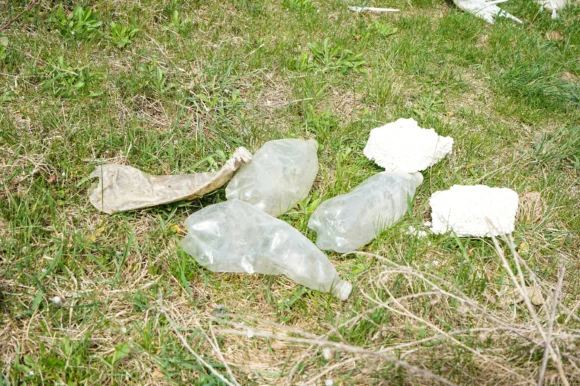
This is the easiest one. Take your rubbish home. All of it. That includes:
- food wrappers
- foil
- coffee grounds
- banana skins
- wipes
- broken gear bits
- cigarette ends
- bottle caps
- tea bags
- orange peel
- tissue
- tent peg packaging
- cable ties
- micro-rubbish
Natural does not always mean fine to leave. A banana skin still looks rubbish. Orange peel does not vanish like magic. Tea bags often contain plastic. Food scraps can attract animals and make the area worse for the next person.
Take it home. A simple rubbish bag weighs almost nothing. There is no good excuse for leaving camp looking like a fox got into a meal deal.
4. Do a Final Sweep Before You Leave
Before walking away, stop and look back. Properly. Check for:
- tent pegs
- tissues
- food scraps
- dropped snacks
- stove fuel caps
- dog poo bags
- anything shiny
- wrappers
- bottle caps
- guy line bits
- plastic tags
- toilet paper
- flattened grass
Walk around the pitch once before leaving. This takes one minute and catches most mistakes. The best sign of a good camp is that the next person cannot tell where you slept. That is quietly satisfying in a way that buying more gear never quite is.
5. Don’t Light Fires Unless It’s Clearly Allowed and Sensible
Campfires are where things get messy. They look nice. They also scorch ground, damage roots, leave ash, create wildfire risk, annoy landowners and make campsites look abused.
In England, the Countryside Code says not to light fires and to only have BBQs where signs say you can.
In Scotland, responsible access rights are broader, but outdoor fire guidance still warns against fires, BBQs or fire bowls in forests, farmland, peaty ground, near buildings and cultural heritage sites.
For most camping, especially wild camping, use a stove instead. A stove is faster, cleaner, easier to control and less likely to leave evidence that screams “someone with poor judgement was here”.
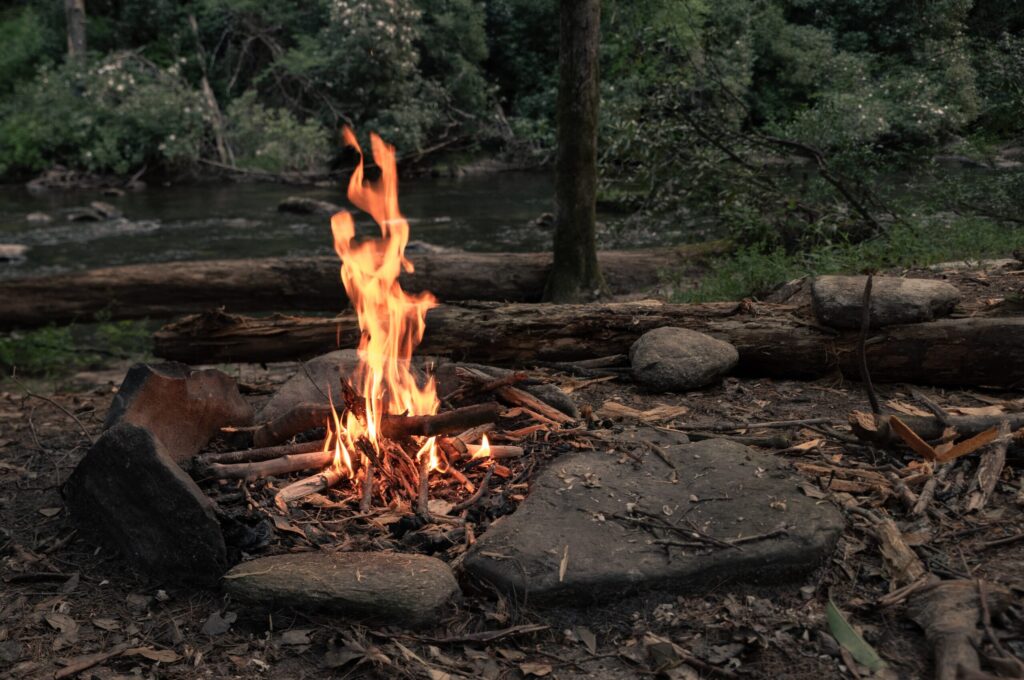
6. If You Do Use a Fire, Don’t Leave a Scar
There are places where fires are permitted or properly managed. Campsites with fire pits, raised fire bowls or designated areas are the obvious examples. If you use a fire where allowed:
- use existing fire pits
- keep it small
- use dead wood only where permitted
- never damage live trees
- do not burn rubbish
- fully extinguish it
- cool the ashes
- scatter or dispose of ash as instructed
- leave the area tidy
- follow campsite rules
Do not build a fire ring in a fresh bit of ground just because it feels “bushcrafty”. A fire scar is not rustic. It is just outdoor graffiti with ash.
7. Toilet Stuff: Be a Grown-Up
Nobody wants to talk about toilet stuff. That is exactly why people get it wrong. The best option is to use proper facilities before or after your excursion. If you need to go outdoors, do it responsibly:
- go well away from water
- go well away from paths
- go away from buildings, shelters and camps
- use a trowel where burying is appropriate
- pack out toilet paper and wipes
- take hand sanitiser
- follow local guidance
- do not leave anything visible
Mountaineering Scotland advises staying well away from open water, burns, campsites, buildings and shelters when toileting outdoors. Wet wipes are not outdoor confetti. Pack them out. All of them.
8. Keep Water Sources Clean
Streams, rivers, lakes and burns are not your personal sink. Keep washing, toileting and food waste away from water. Don’t:
- wash pans directly in streams
- pour oily food water into watercourses
- leave soap near water
- go to the toilet anywhere close to water
- dump grey water in one obvious patch
- rinse toothpaste straight into a stream
- let dogs foul near water
If you use biodegradable soap, that does not mean it belongs in the stream. Biodegradable still needs soil and time to break down. A river is not a bathroom with scenery.
9. Cook Cleanly
Camp cooking can create a surprising amount of mess. Little scraps, sauce spills, foil lids, noodle water, coffee grounds and dropped food all add up. Cook cleanly by:
- using simple meals
- keeping packaging under control
- packing rubbish immediately
- using a small cloth
- straining food bits before disposing of water
- not dumping leftovers
- keeping food secure overnight
- cleaning up before bed
- avoiding messy meals in fragile places
The easier the food, the easier it is to leave no trace. Outdoor MasterChef can wait until you’re somewhere with a sink.
For simple camp cooking ideas, this rucksack camp kitchen guide keeps the setup practical.
10. Respect Wildlife by Leaving It Alone
Wildlife does not need your crisps. Do not feed animals, follow them, disturb them, crowd them, chase them for photos or leave food where they can get it. That includes:
- birds
- sheep
- cows
- squirrels
- campsite wildlife
- deer
- ponies
- foxes
- badgers
Keep food packed away. Keep rubbish secure. Do not leave leftovers outside the tent. Do not treat wild animals like campsite entertainment.
The Leave No Trace principles include respecting wildlife, observing animals from a distance and never feeding them.

11. Keep Dogs Under Control
Dogs can be brilliant camp companions. They can also be chaos on 4 legs. If you camp or walk with a dog:
- keep it under control
- follow local dog rules
- avoid disturbing livestock
- avoid disturbing wildlife
- pick up muck
- take poo bags home or bin them properly
- keep dogs away from other people’s tents
- do not let them roam camp at night
- keep them away from water sources
The Countryside Code says dogs should be kept under control and in sight, and dog muck should be bagged and binned in a public waste bin or taken home.
Leaving a bag of dog poo hanging from a tree is not responsible.
12. Keep Noise Down
Quiet is part of the outdoors. You do not need to camp in total monk-like silence, but be aware of how far sound travels. Avoid:
- loud music
- shouting late at night
- speaker use in quiet places
- slamming van doors repeatedly
- loud group camps near others
- torch beams into other tents
- early morning chaos
- “just one more song” behaviour
Nobody walked into the hills to hear your Bluetooth speaker having a midlife crisis. Use headphones if you need music. Keep voices low at night. Let the place sound like the place.
13. Leave Things Where They Are
Do not take souvenirs from wild places. Leave:
- rocks
- flowers
- bones
- historical bits
- nests
- old walls
- plants
- feathers
- wood
- fungi
- signs
- anything that clearly belongs there
Also, do not carve names into trees, stack unnecessary stone piles, build random shelters or rearrange a spot so it looks “more camp friendly”. Take photos. Take memories. Take the wrapper from your oat bar. Leave everything else.
14. Don’t Make Social Media the Problem
Some places get trashed because they become internet-famous. That does not mean you should never share outdoor trips. It just means be thoughtful. Before posting exact locations, ask:
- is this place fragile?
- is access sensitive?
- can it handle more visitors?
- would I want a crowd here next weekend?
- am I showing responsible behaviour?
- am I making risky camping look normal?
- am I accidentally promoting fires, litter or bad pitching?
Sometimes the best caption is vague. Not every good spot needs a grid reference and a dramatic drone shot.
15. Be Low-Key With Wild Camping
Wild camping works best when it is small, quiet and responsible. A good wild camp is usually:
- one night
- late arrival
- discreet pitch
- no noise
- no damage
- small group
- early leave
- no fire
- no mess
- no drama
Scottish Outdoor Access Code camping guidance says responsible wild camping should be lightweight, in small numbers and only for two or three nights in any one place.
Even where camping is legal or tolerated, careless behaviour creates problems. The goal is not to “get away with it”. The goal is to camp so well nobody has a reason to care.
If you’re unsure where wild camping is allowed, this UK wild camping guide explains the basics.
16. Take a Small “Leave No Trace” Kit
You do not need much. A simple kit might include:
- rubbish bag
- small trowel
- toilet paper bag
- spare dry bag
- small repair tape
- reusable zip bag
- hand sanitiser
- microfibre cloth
- dog poo bags if needed
- stove instead of fire kit
This kit is not glamorous. It is also the difference between “I’ll sort it somehow” and actually sorting it.
17. Leave Campsites Better Too
Leave No Trace is not just for wild camping. Campsites still deserve respect. At campsites:
- use bins properly
- follow fire rules
- keep noise down
- clean up food scraps
- avoid damaging grass
- do not dump grey water randomly
- pick up after dogs
- respect pitch boundaries
- leave facilities clean
- take broken gear home
Paid pitch does not mean rented mess zone. The staff are not your mum. Probably.
18. Teach Without Preaching
If you camp with beginners, do not turn into an outdoor lecturer. Nobody enjoys being corrected every six minutes. Better approach:
- model good habits
- pack spare rubbish bags
- explain only when useful
- keep it practical
- avoid smugness
- make it normal
- quietly pick up small bits
- use humour
- focus on “this keeps access open”
Instead of saying:
“You’re violating Leave No Trace principle three.”
Say:
“Chuck that wrapper in this bag before the wind steals it and we become the problem.”
Much better.
Common Leave No Trace Mistakes
Leaving food scraps
Food scraps are still rubbish.
Leaving toilet paper
Pack it out.
Camping too close to water
It can damage fragile edges and creates hygiene issues.
Leaving dog poo bags behind
Bagging it and abandoning it is not better.
Forgetting micro-rubbish
Tiny bits still count.
Burning rubbish
Do not turn plastic into toxic campfire perfume.
Lighting fires everywhere
Use a stove unless fires are clearly allowed.
Being too loud
Noise is trace too.
Posting fragile locations
Some places cannot handle attention.
Thinking “biodegradable” means “leave it”
It usually does not.
Simple Leave No Trace Checklist
Before leaving camp, ask:
- Is all rubbish packed?
- Are food scraps gone?
- Is toilet paper packed out?
- Is the pitch clear?
- Are tent pegs collected?
- Is the fire area clean, if one was allowed?
- Is grey water dealt with sensibly?
- Are dogs and poo bags sorted?
- Have I checked for micro-rubbish?
- Would I be happy arriving here now?
If yes, good. If no, fix it before leaving. The outdoors is not a hotel room. There is no checkout cleaner.
Final Thoughts: Leave No Trace Is Just Camping Properly
Leave No Trace does not need to be preachy. It is not about making camping feel like homework. It is just camping properly.
Take rubbish home. Use a stove. Keep noise down. Toilet responsibly. Respect wildlife. Control dogs. Choose a sensible pitch. Leave the place looking like you were never there. That’s enough. No lecture. No halo. No weird moral performance.
Just good outdoor manners.
Because if we want access, quiet places, wild camps, campsites and decent walking routes to stay enjoyable, we have to not treat them like disposable backdrops for a weekend. Camp well. Leave nothing behind except slightly flattened grass and the quiet satisfaction of not being the reason a new sign goes up.
Leave No Trace FAQs
What does Leave No Trace mean when camping?
Leave No Trace means camping in a way that avoids damaging the place, disturbing wildlife, leaving rubbish, creating fire scars or making your trip someone else’s problem. Ideally, nobody should be able to tell you camped there.
Is Leave No Trace only for wild camping?
No. It applies to campsites, garden camps, van setups, day walks, picnics and wild camping. Even on a paid campsite, you should still clean up, follow fire rules, manage waste properly and respect other people.
Can I have a campfire and still Leave No Trace?
Only where fires are clearly allowed and conditions are safe. Use existing fire pits, keep fires small, fully extinguish them and leave no scar. For most wild camps, a stove is the better choice.
What should I do with toilet paper when wild camping?
Pack it out in a sealed bag. Do not leave toilet paper, wipes or sanitary products behind. Use facilities where possible and follow local outdoor toileting guidance.
Are banana skins and orange peels okay to leave?
No. Food scraps are still waste. They can attract animals, look messy and take longer to break down than people think. Pack them out with the rest of your rubbish.
How do I teach Leave No Trace without sounding preachy?
Make it practical. Bring spare rubbish bags, model good habits, keep explanations short and focus on leaving places clean so access stays open. Nobody needs a sermon to understand “take your rubbish home.”