
Field Notes From the Edge
Track five core habits. Reflect each morning and night. Build direction through repetition… not motivation.
A FREE 90-day structure for those who want to show up, not just think about it.
A Quick Note on Links
As an Amazon Associate I earn from qualifying purchases.
This helps me create more class content for you to get inspired by.
Please Note
Outdoor activities involve risk. The information on this site is for general guidance only and should not replace proper training, manufacturer instructions, local laws, or your own judgement. Always use equipment safely and responsibly.
Bushcraft looks simple on the surface. Fire. Shelter. Knife. Done. Until you actually get out there and realise most of what you thought would work… doesn’t.
Everyone makes mistakes starting out. That’s part of it. But some mistakes don’t just slow you down they ruin the experience completely.
This isn’t theory. This is what actually goes wrong when you step into the woods for real and how to fix it fast.
Quick common-sense note: Practise somewhere safe, legal and low-impact. Don’t light fires where they’re not allowed, don’t damage live trees, and don’t carry blades casually in public.
Mistake #1: Bringing Too Much Gear
You start out thinking: “I’ll just bring it in case.” That turns into:
- Multiple tools
- Backup everything
- Gear you don’t even know how to use
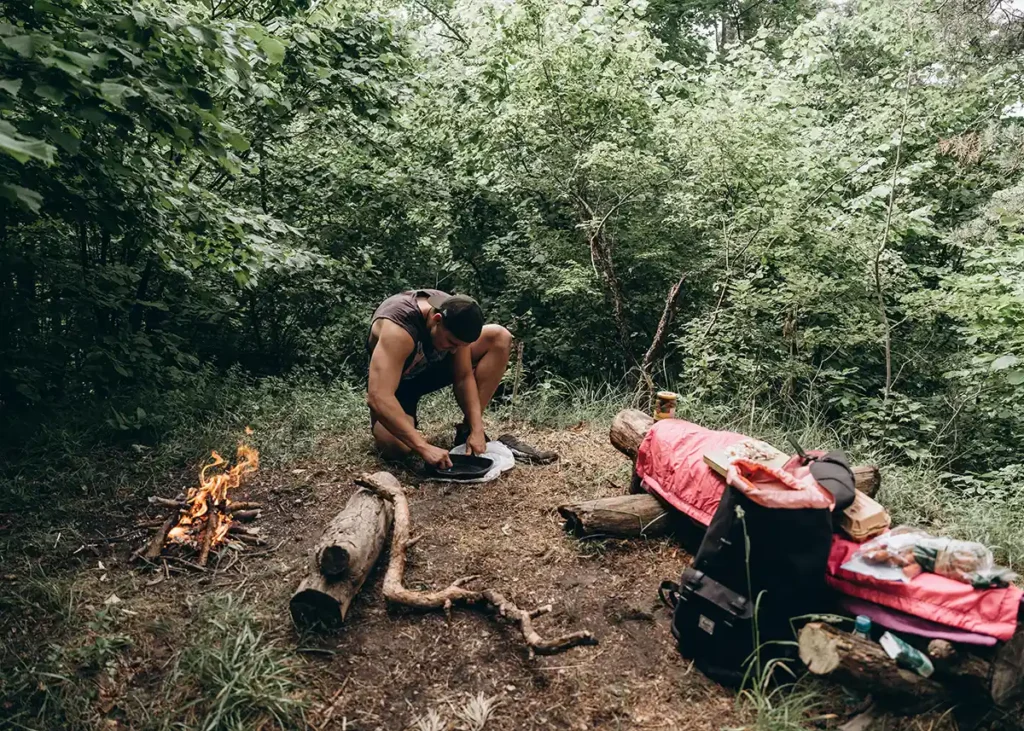
Next thing you know, you’re carrying a small shop on your back.
The Fix
Strip it right back:
That’s your core, go out with less. You’ll learn faster because you’re forced to actually use what you’ve got. More gear doesn’t make you more capable. It just hides your gaps. The same idea applies to everyday carry: start with EDC essentials that earn their place instead of filling your pockets with dead weight.
Mistake #2: Obsessing Over Knives
This one’s everywhere. People spend weeks choosing a knife… and zero time learning how to use it. Truth is, most bushcraft tasks don’t require anything extreme.
The Fix
Pick a simple, reliable knife and stick with it. Then learn:
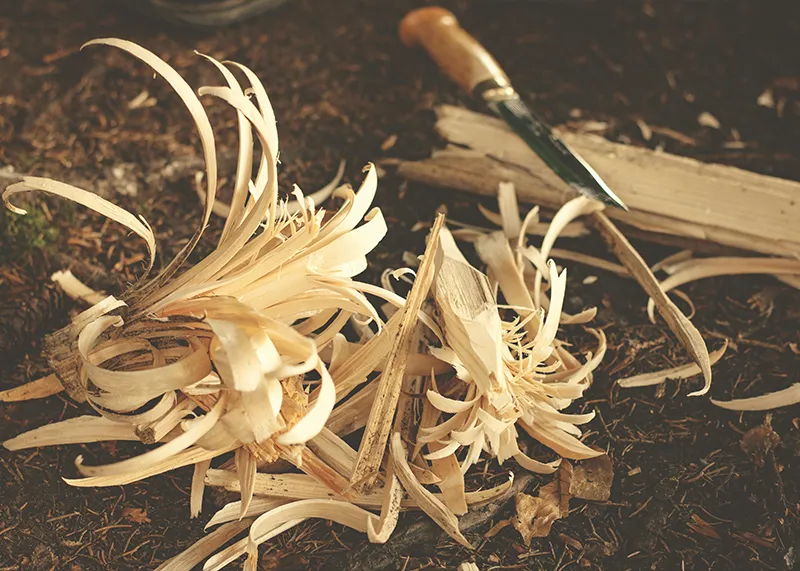
- Feathering
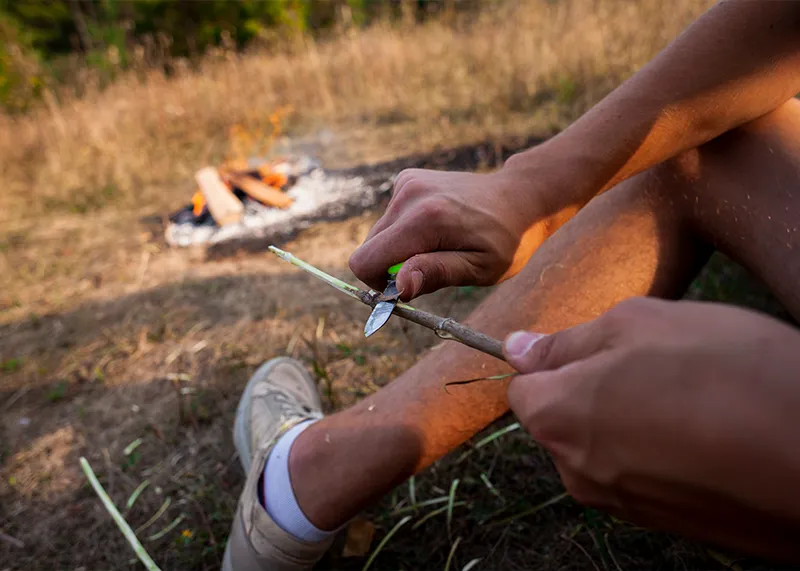
- Basic carving
- Controlled cuts
Skill beats steel every time. You don’t need a “beast” of a knife. You need control. If you do want a sensible blade, start with this guide to the best pocket knives for UK camping trips rather than chasing dramatic-looking tools.
Mistake #3: Underestimating the UK Environment
This isn’t dry woodland survival content from YouTube. The UK is:
- Damp
- Unpredictable
- Cold in ways that creep in slowly
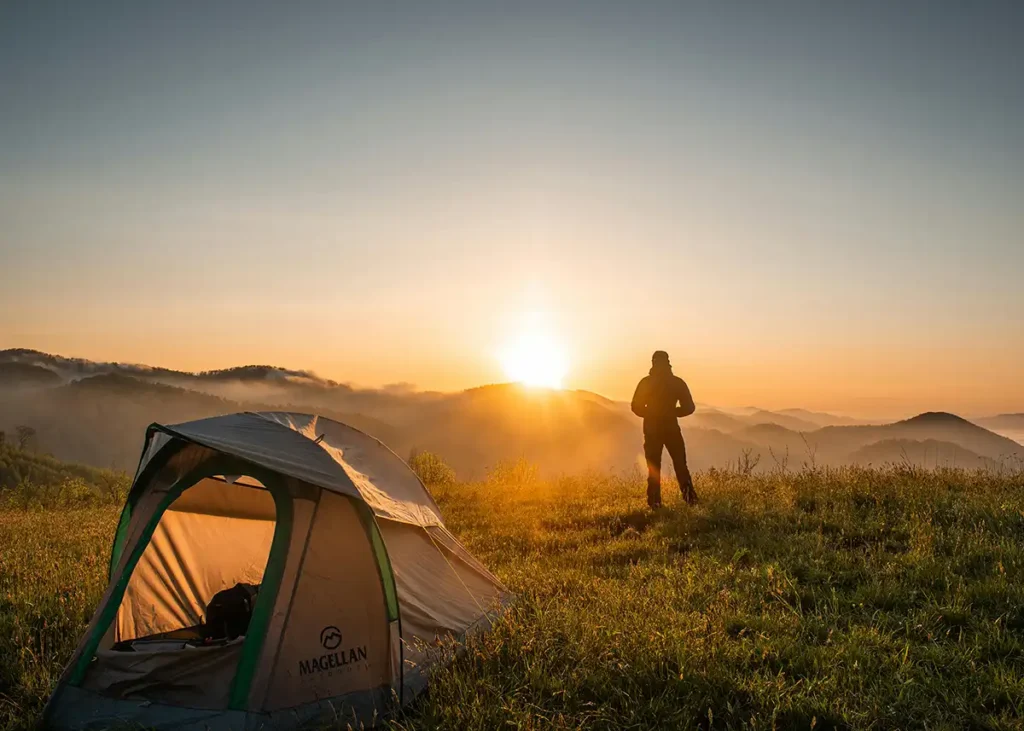
Beginners always underestimate this. Wet wood. Wet ground. Wet air. Everything takes longer. If you’re planning overnight trips, a simple UK wild camping setup will serve you better than random survival gadgets.
The Fix
Plan for moisture, not just temperature:
- Carry reliable fire starters (not just “natural methods”)
- Keep dry materials protected in a weatherproof bag
- Prioritise staying dry over everything else
If you’re wet, everything becomes harder. Solve that first.
Mistake #4: Focusing on “Cool Skills” Instead of Useful Ones
Everyone wants to:
- Build complex shelters
- Start fires with sparks and friction
- Craft tools from scratch
It looks great. But it’s not what actually matters early on.
The Fix
Master the boring essentials:
- Getting a fire going quickly
- Setting up shelter efficiently
- Managing your time and energy
Bushcraft isn’t about showing off it’s about making life easier outdoors. The basics aren’t flashy. They’re just effective. Feather sticks are a good example: they look simple, but learning to make them properly teaches blade control, patience and proper tinder prep.
Mistake #5: Treating It Like a Performance
This is the biggest one and it’s subtle. You go out thinking:
- You need to prove something
- You need to document everything
- You need it to “look right”
That pressure ruins the experience.
The Fix
Drop it. Go out to:
- Learn
- Make mistakes
- Figure things out quietly
No audience. No performance. That’s where real confidence comes from.
Where Most People Stall
They don’t quit because bushcraft is hard. They quit because:
- They overcomplicate it
- They overload themselves
- They expect too much too soon
Then it stops being enjoyable.
Keep It Simple, Build It Properly
You don’t need:
- Expensive gear
- Endless tools
- Perfect conditions
You need:
- Repetition
- Simplicity
- Awareness
That’s it.
Final Take
Everyone starts rough. The difference is whether you:
- Learn fast
- Strip things back
- And focus on what actually matters
Avoid these five mistakes, and you skip months of frustration. Not by being perfect But by being practical from the start. The easiest way to improve is to start with backyard bushcraft practice before testing your skills in the wild.
Beginner Bushcraft FAQs
What is the biggest mistake beginner bushcrafters make?
The biggest mistake is usually relying on too much gear instead of learning basic skills. A knife, tarp or ferro rod only helps if you know how to use it properly.
What bushcraft skill should I learn first?
Start with knots, shelter setup, safe knife handling and fire preparation. These are practical, repeatable skills you can practise at home before using them outdoors.
Do I need expensive gear to start bushcraft?
No. Start with simple, reliable kit and learn how to use it well. Expensive gear is pointless if it stays in your bag or fails to solve a real problem.
Can I practise bushcraft in my garden?
Yes. Knot tying, tarp pitching, feather sticks, packing drills and simple shelter setups can all be practised at home. It’s better to make beginner mistakes somewhere low-risk.
Is bushcraft the same as survival?
Not exactly. Bushcraft is about outdoor skill, resourcefulness and working with your environment. Survival is more about dealing with emergency situations. They overlap, but they’re not the same thing.
Is it legal to light fires or carry knives for bushcraft in the UK?
Rules matter. GOV.UK says not to light fires in the countryside and only have BBQs where signs say you can. For knives, the general public carry exception is a folding pocket knife with a cutting edge of 3 inches or less, as long as it does not lock. Larger, locking or fixed blades need a good reason.