
Field Notes From the Edge
Track five core habits. Reflect each morning and night. Build direction through repetition… not motivation.
A FREE 90-day structure for those who want to show up, not just think about it.
A Quick Note on Links
As an Amazon Associate I earn from qualifying purchases.
This helps me create more class content for you to get inspired by.
Please Note
Outdoor activities involve risk. The information on this site is for general guidance only and should not replace proper training, manufacturer instructions, local laws, or your own judgement. Always use equipment safely and responsibly.
Blisters are tiny things with massive main-character energy.
One minute you’re enjoying the walk. The next, every step feels like your heel has developed a personal grievance.
On long walks and wet UK trails, blisters are one of the easiest ways to ruin the day. Mud, sweat, rain, wet grass, badly fitted boots, cotton socks, long descents and “I’ll sort it later” all team up nicely to turn a small rub into a full foot drama.
The good news is that most blisters are preventable.
Not always. Feet are weird. But with the right socks, footwear, lacing, early action and a small blister kit, you can massively reduce the chances of hobbling back to the car like you’ve aged 40 years in three miles.
What Causes Blisters on Walks?
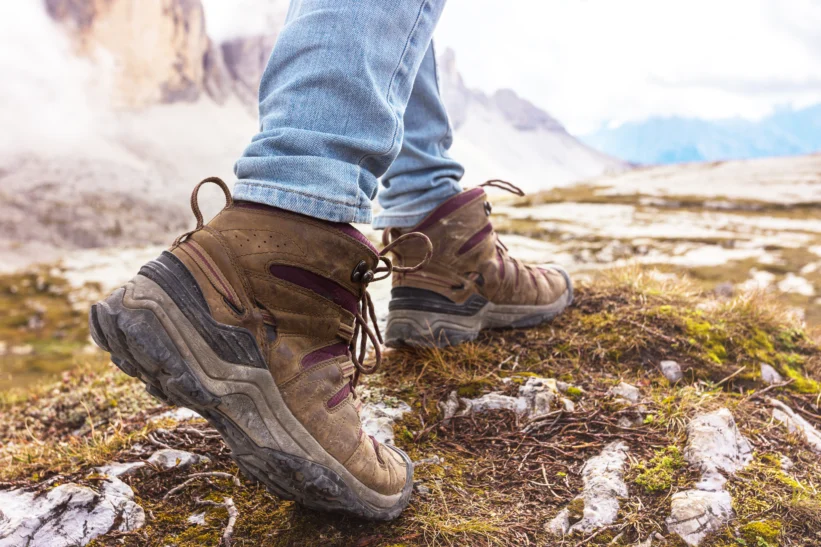
Blisters usually come from friction, pressure, heat and moisture.
In walking terms, that often means:
- boots rubbing your heel
- shoes too tight or too loose
- socks bunching up
- wet feet
- sweaty feet
- long descents
- toenails hitting the front of the shoe
- stiff new boots
- grit inside your footwear
- seams or folds rubbing the skin
- ignoring hot spots
A blister is your skin’s way of protecting itself from repeated rubbing.
Useful biologically.
Annoying practically.
The NHS says most blisters heal naturally and recommends covering them with a plaster or dressing to protect them while they heal. Hydrocolloid dressings can help protect the blister, reduce pain and speed up healing.
The Golden Rule: Sort Hot Spots Early
This is the whole article, really.
If you feel rubbing, stop.
Not in half an hour.
Not at the next viewpoint.
Not when the group stops.
Now.
A hot spot is that early warm, sore, irritated patch before a blister properly forms. This is your warning light.
When you feel one:
- stop walking
- take the shoe or boot off
- check the sock
- remove grit
- smooth out folds
- dry the area if possible
- apply tape, moleskin or blister plaster
- adjust lacing if needed
- only continue once it feels better
Do not try to “walk it off”.
That is how you turn a tiny problem into a miserable limp with scenery.
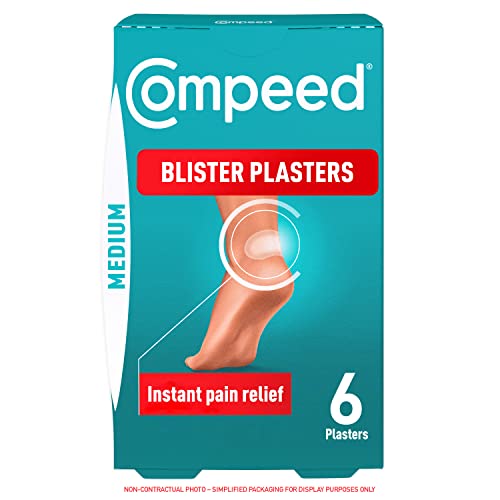
Compeed 6 Medium Size Blister Plasters

Leukotape P by Actimove Sports Edition Rigid Medical Tape
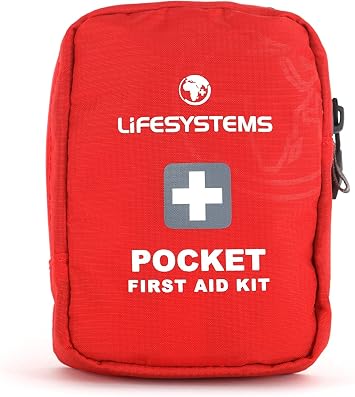
Lifesystems Pocket First Aid Kit
1. Wear Proper Hiking Socks
Socks matter more than beginners think.
The sock is the thing touching your skin for every step. If it holds moisture, bunches up or rubs badly, your boots can only do so much.
Good hiking socks should:
- fit snugly without squeezing
- manage moisture
- cushion key areas
- stay in place
- avoid bulky seams
- dry reasonably well
- match your footwear
Avoid cotton socks for long walks and wet trails.
Cotton holds moisture and dries slowly. On a short dry stroll, fine. On a long wet walk, no thanks.
Better options include:
- merino hiking socks
- synthetic hiking socks
- cushioned boot socks
- lightweight summer hiking socks
- waterproof socks for wet trails
- liner socks if you blister easily

Bridgedale HIKE Midweight Coolmax Merino Comfort Boot Socks

Darn Tough Vermont Men's Hiker Micro Crew Midweight Socks

SEALSKINZ Raynham | Waterproof All Weather Mid Length Merino Wool Socks
For most UK walkers, a decent merino-blend hiking sock is the easiest upgrade.
It is not flashy kit.
It is foot insurance with a heel cup.
2. Match Sock Thickness to Your Footwear
Thicker socks are not always better.
If your boots are roomy, a thicker sock can improve fit and comfort.
If your boots are already snug, a thick sock can create pressure, reduce circulation and cause more rubbing.
That is not comfort. That is a foot sandwich.
Use this rough guide:
- snug footwear: thinner hiking sock
- roomy boots: midweight sock
- cold weather: warmer sock if fit allows
- hot weather: lightweight breathable sock
- wet trails: merino sock, waterproof sock or spare dry pair
- blister-prone feet: liner sock plus main sock if footwear has room
Always test sock and footwear combinations before a long walk.
The sock that feels fine around the house may become a heel-chewing menace after six miles.
3. Make Sure Your Footwear Actually Fits
A lot of blister problems are really fit problems.
Footwear can rub because it is:
- too small
- too narrow
- too stiff
- wrong shape for your foot
- worn with the wrong socks
- too big
- too wide
- laced badly
- not broken in
A good fit should feel secure without crushing your feet.
Check:
- toes have room on descents
- heel does not lift badly
- forefoot is not squeezed
- no hard pressure points
- ankle collar does not rub
- tongue sits smoothly
- laces hold the foot without pain
- socks do not bunch
Try footwear with the socks you actually walk in.
Also, your feet swell during long walks. Footwear that feels perfectly snug at the start can feel too tight by mile ten.

Merrell Men's Moab 3 Mid Gtx Hiking Shoe

Salomon X Ultra 360 Leather Gore-tex Waterproof Men's Hiking Shoes

KEEN Men's Targhee 4 Waterproof Hiking Shoes
The best footwear is not the one that looks most rugged.
It is the one that fits your actual feet, which may not be shaped like the product photos pretend.
4. Break In Boots Before Long Walks
New boots can be brilliant.
They can also be absolute villains.
Do not take brand-new boots on a long walk and hope your feet “adapt”.
Break them in gradually:
- wear them around the house
- do short local walks
- try them with your hiking socks
- test uphill and downhill
- carry a light pack
- notice hot spots
- adjust lacing
- fix problems before a big route
Trail shoes often need less breaking in than leather-style boots, but they still need testing.
A short local walk can reveal rubbing before it becomes a full-day punishment.
5. Use Better Lacing
Lacing is boring until it fixes the problem.
Small changes in lacing can reduce heel lift, relieve pressure or stop your toes smashing into the front on descents.
Useful lacing tricks:
- heel lock lacing to reduce heel lift
- skipping eyelets to relieve pressure
- loosening forefoot laces if toes feel cramped
- tightening ankle area for descents
- re-lacing after your feet warm up
- using different tension in different zones
If your heel is lifting, friction increases.
If your toes are hitting the front, descents become blister and toenail trouble.
Do not set your laces once at the car and ignore them all day.
Feet change during a walk. Your laces can too.

Stepace 2 Pairs Round Heavy Duty Boot Laces
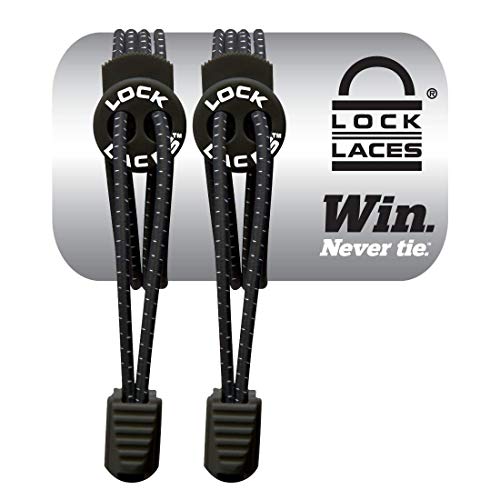
LOCK LACES Unisex's FBA Shoe Laces
6. Keep Feet as Dry as Practical
Wet feet blister more easily for many walkers because damp skin is softer and more vulnerable to rubbing.
On UK trails, perfectly dry feet are not always realistic.
But you can still reduce the damage.
Try:
- wearing moisture-wicking socks
- using waterproof footwear when conditions suit
- using waterproof socks for wet trails
- changing socks halfway if needed
- airing feet during breaks
- drying feet before applying plasters
- avoiding avoidable puddle stomping
- keeping spare socks in a dry bag

OEX 15 Litre Drysac, Orange, One Size

Osprey Ultralight Dry Sack, 20L

YOSH Waterproof Phone Pouch 2 Pack
That last product is for phones, not feet. But the principle stands: waterproof pouches save important things.
For socks, use a small dry bag or zip pouch. Spare socks loose in a wet rucksack are not spare socks. They are disappointment with elastic.
7. Carry Spare Socks
Spare socks are not overpacking.
They are common sense.
For a long wet walk, a spare dry pair can rescue your feet and your mood.
Carry spare socks when:
- rain is likely
- grass is wet
- you’re wearing trail shoes
- you’re prone to blisters
- trails are muddy
- the route is long
- your feet sweat heavily
- you’ll be out all day
Keep them dry.
Not “mostly dry”.
Dry.
A clean, dry sock change halfway through a wet walk can make you feel like you’ve been emotionally reset.
8. Try Liner Socks If You Blister Easily
Liner socks can help some walkers.
They sit under your main hiking sock and reduce friction against the skin. Instead of your skin taking all the rubbing, some movement happens between sock layers.
Good for:
- blister-prone feet
- long-distance walks
- toe rubbing
- hot spots
- new footwear testing
- walkers who struggle with heel friction

Injinji Unisex Liner Crew Wool Socks

Bridgedale LINER Base Layer Coolmax Liner Boot Socks
Possible downside: liner socks add bulk.
If your footwear is already tight, adding liners may make the problem worse.
Test on a short walk first. Do not try a new sock system halfway through a long muddy route unless you enjoy foot-based experiments.
9. Use Tape Before You Need It
If you know where you usually blister, tape those areas before the walk.
Common blister spots:
- back of heel
- big toe
- side of foot
- top of toes
- little toe
- ball of foot
- under arch
Use sports tape, blister tape, moleskin or dedicated anti-blister patches.
Leukotape P by Actimove Sports Edition Rigid Medical Tape

Welnove Moleskin Tape - Moleskin Padding Roll & Plasters

Compeed Anti-Blister Stick
Prevention beats treatment.
If your heel always rubs after five miles, do not wait until five miles. Tape it at the start and stop acting surprised.
10. Use Lubricant for Friction Points
Some walkers use anti-chafe balm, petroleum jelly or blister-prevention sticks on friction-prone areas.
This can help reduce rubbing, especially around toes, heels and the ball of the foot.
Good for:
- long-distance walks
- sweaty feet
- repeat blister spots
- hot weather
- toe rubbing
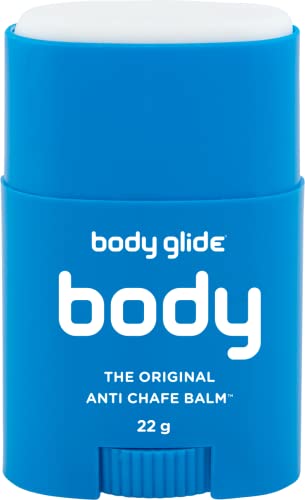
Body balm 22g - Body Glide Original Anti Chafe Balm

Vaseline Pure Petroleum Jelly 100% Pure Original - 13 Ounces
Use lightly and test first.
Too much can make feet slide around inside socks, which may create different problems. Outdoor kit loves doing that.
11. Keep Toenails Trimmed
Toenails matter on descents.
If nails are too long, they can hit the front of your shoes repeatedly. That can cause pain, bruising, blisters or the classic grim hiker toenail situation.
Before a long walk:
- trim toenails
- smooth sharp edges
- avoid cutting too short
- check socks are not pulling tight across toes
- make sure shoes have enough toe room
This is not exciting.
Neither is losing a toenail because a downhill path had opinions.
12. Stop and Fix Grit, Folds and Rubs
Tiny things become big things when repeated thousands of times.
Stop if you feel:
- grit in the shoe
- heel slip
- wet sock bunching
- lace pressure
- sock crease
- toe pressure
- rubbing seam
- hot spot
A 60-second stop can save the walk.
Ignoring it because you don’t want to hold people up is false politeness. You’ll hold them up more when you’re limping later.
What to Do If a Blister Starts Mid-Walk
If you catch it early:
- stop
- dry the area
- apply blister plaster or tape
- adjust sock and laces
- reduce rubbing
- continue carefully
If a blister has already formed, protect it from further rubbing.
The NHS advises not bursting a blister yourself because it can increase infection risk, and says a pharmacist can recommend dressings to protect it while it heals. NHS Inform says most blisters heal naturally within 3 to 7 days and advises avoiding bursting them.
If the blister bursts on its own:
- keep the skin flap in place if possible
- clean the area
- cover it with a sterile dressing
- keep it protected
- avoid more rubbing
- monitor for infection
This is practical outdoor advice, not a replacement for medical care. If something looks infected or gets worse, get proper help.
Signs a Blister Needs More Attention
Most blisters are annoying rather than serious.
But get medical advice if you notice signs of infection or you have a condition that makes foot problems higher risk.
Watch for:
- increasing redness
- swelling
- warmth
- pus
- worsening pain
- red streaks
- fever
- feeling unwell
- blister not healing
- diabetes or circulation problems
NHS blister guidance says to ask for an urgent GP appointment or use NHS 111 if a blister is very painful, keeps coming back, is in an unusual place, or shows signs of infection such as pus, swollen skin, or hot skin around the blister.
Do not be dramatic about every tiny rub.
Do not ignore a foot that is clearly getting worse either.
That is the sensible middle.
What to Pack in a Blister Kit
A good blister kit is tiny.
Pack:
- blister plasters
- sports tape
- moleskin or foam padding
- antiseptic wipes
- small scissors
- spare socks
- foot balm or anti-chafe stick
- sterile dressing
- safety pin or needle only if advised/appropriate
- small zip bag for rubbish
You do not need a huge medical pouch.
You just need enough to stop a hot spot becoming the reason everyone remembers the walk.
Blister Prevention for Wet UK Trails
Wet UK trails need a slightly different approach.
For wet routes:
- wear merino or synthetic hiking socks
- consider waterproof socks
- carry spare dry socks
- keep socks in a dry bag
- use tape on known hot spots
- check feet during breaks
- dry feet if changing socks
- avoid cotton
- choose footwear with good fit and grip
- do not leave wet socks on longer than needed
Wet feet are not always a disaster.
Wet feet plus friction plus time is the problem.
Blister Prevention for Long Walks
Long walks punish small mistakes.
For long distances:
- test footwear beforehand
- wear proven socks
- tape known problem areas
- carry blister plasters
- trim toenails
- start with dry feet
- adjust laces during the walk
- change socks if needed
- stop at the first hot spot
- avoid brand-new footwear
The longer the walk, the less you should experiment.
Race-day rules apply: do not test mystery socks on a big day.
Unless your hobby is regret.
Boots vs Trail Shoes for Blisters
Both can cause blisters.
Boots may rub because they are stiff, warm or not broken in.
Trail shoes may rub because they are too flexible, wet, loose or low-cut.
Boots can be better for:
- wet grass
- ankle protection
- cold conditions
- mud
- heavy packs
Trail shoes can be better for:
- breathability
- summer routes
- comfort from day one
- lighter walking
- faster drying
The answer is fit first, type second.
A good trail shoe beats a bad boot. A good boot beats a bad trail shoe.
Your feet are allowed to be annoying and specific.
How to Lace Boots to Reduce Blisters
Try these simple adjustments:
Heel rubbing
Use heel lock lacing or tighten the ankle zone slightly.
Toe pressure downhill
Tighten the midfoot and ankle area before descents to stop your foot sliding forward.
Top-of-foot pressure
Skip an eyelet or loosen that section.
Forefoot squeeze
Loosen the lower laces but keep the heel secure.
General slipping
Check sock thickness and lace tension. Your foot should feel held, not trapped.
Lacing is free. Try it before blaming the boot.
Foot Care Before the Walk
Before a long walk:
- trim toenails
- check for existing rubs
- moisturise dry cracked skin in the days before
- do not over-soften feet right before a big walk
- wear tested socks
- pack blister kit
- check footwear for debris
- make sure insoles sit flat
Dry cracked skin can split.
Over-softened skin can rub.
Foot care is boring because it works quietly.
Pain is louder.
Foot Care After the Walk
After the walk:
- remove wet socks
- wash and dry feet
- air footwear
- treat hot spots
- cover blisters properly
- let feet recover
- dry boots slowly
- check what caused the problem
Do not just chuck boots in the corner and pretend the next walk will be different.
If something rubbed, work out why.
Was it the sock? The lacing? The boot fit? The wet conditions? The distance? The downhill section? The fact you ignored a hot spot for two hours because you were “nearly there”?
Be honest. Feet remember.
Common Blister Mistakes
Ignoring hot spots
This is the big one.
Wearing cotton socks
Cotton plus sweat plus friction is not a heroic combination.
Taking new boots on a long walk
Break them in first.
Forgetting spare socks
Wet feet need options.
Over-tightening laces
Too much pressure can create new rub points.
Under-tightening laces
Too much movement creates friction.
Not trimming toenails
Descents will expose this mistake quickly.
Putting blister plasters on too late
Prevention is easier than repair.
Assuming pain is normal
Some discomfort happens. Proper rubbing needs attention.
Simple Blister Prevention Setup
For most UK day walks:
- good hiking socks
- well-fitting footwear
- blister plaster
- small tape roll
- spare socks on wet or long routes
- trimmed toenails
- stop early if rubbing starts
For long wet walks:
- merino or waterproof socks
- spare dry socks
- known hot spots taped
- blister kit in top pocket
- dry bag for spare socks
- footwear already tested
- lacing adjusted during the day
For multi-day walks:
- multiple sock pairs
- foot balm
- blister kit
- dry sleep socks
- daily foot checks
- footwear dried as well as possible
- no experimenting with new kit
Final Thoughts: Blisters Are Easier to Prevent Than Fix
Blister prevention is not complicated.
Wear proper socks. Make sure your footwear fits. Break boots in. Keep feet as dry as practical. Carry spare socks. Tape known problem spots. Adjust laces. Stop at the first hot spot.
That’s most of it.
The hard part is actually stopping when something starts rubbing instead of marching on and hoping your heel will “settle down”.
It won’t.
It is already writing a complaint.
Sort small problems early and your feet will usually behave. Ignore them and they’ll make the rest of the walk about themselves.
Tiny blister. Huge ego.
Blister FAQs
How do I stop getting blisters on long walks?
Wear well-fitting footwear, proper hiking socks, avoid cotton, break boots in before big walks, tape known hot spots, carry blister plasters and stop as soon as you feel rubbing.
Are thick socks better for preventing blisters?
Not always. Thick socks can help if your boots are roomy, but they can create pressure if your footwear is already snug. The best sock is the one that fits well with your boots or shoes.
Should I pop a blister from walking?
No, not usually. NHS guidance advises avoiding bursting blisters yourself because it can increase infection risk. Protect the blister with a suitable plaster or dressing and get advice if it looks infected or becomes very painful.
Are waterproof socks good for preventing blisters?
Waterproof socks can help on wet trails by keeping feet drier, but they need to fit well. If they are too thick or make your footwear tight, they can create pressure and cause rubbing.
What should I do when I feel a hot spot?
Stop immediately, remove the shoe or boot, check the sock, dry the area if possible, apply tape or a blister plaster, adjust lacing and only continue once the rubbing has reduced.
Do trail shoes cause fewer blisters than boots?
Sometimes. Trail shoes can be lighter and more flexible, but they can still cause blisters if they fit badly, get wet, or allow too much foot movement. Fit matters more than footwear type.