

Field Notes From the Edge
Track five core habits. Reflect each morning and night. Build direction through repetition… not motivation.
A FREE 90-day structure for those who want to show up, not just think about it.
A Quick Note on Links
As an Amazon Associate I earn from qualifying purchases.
This helps me create more class content for you to get inspired by.
Please Note
Outdoor activities involve risk. The information on this site is for general guidance only and should not replace proper training, manufacturer instructions, local laws, or your own judgement. Always use equipment safely and responsibly.
Layering sounds simple until you get it wrong.
Too little clothing and you’re cold, stiff and quietly miserable. Too much clothing and you’re sweating uphill, soaking your base layer, then freezing the second you stop for lunch.
UK hiking is especially annoying because the weather rarely commits. You can start in sunshine, climb into wind, get rained on halfway round, overheat in a sheltered valley, then freeze on an exposed ridge twenty minutes later.
The trick is not wearing one big warm thing.
The trick is wearing several useful layers you can adjust as the walk changes.
This guide breaks down how to layer clothes for UK hiking without sweating, freezing or carrying half your wardrobe up a hill.
The Basic Layering System
A simple hiking layering system has three main parts:
base layer
outer layer
mid-layer
Then, depending on the weather, you can add:
insulation layer
hat or buff
spare socks
gloves
waterproof trousers
The point is flexibility.
You want to be able to open zips, remove layers, add warmth, block wind, keep rain off and manage sweat without completely repacking your bag every ten minutes.
Think of your clothing like a thermostat, not armour.
Why People Get Layering Wrong
Most people make one of two mistakes.
They either dress too cold because the weather looks fine at home, or dress too warm because they hate being cold.
The second one is more common than people admit.
You start the walk wearing everything. You feel cosy for five minutes. Then the first hill arrives, your body heats up, your back starts sweating, your base layer gets damp, and suddenly your “warm clothing” is now a wet problem waiting to happen.
Good layering means starting slightly cool.
Not freezing. Not shivering. Just slightly cool enough that once you begin walking, your body warms into the kit.
If you are perfectly warm standing still at the car park, you may be overdressed for the climb.
Layer 1: Base Layer
Your base layer sits next to your skin.
Its job is to manage sweat and keep you comfortable.
It should not hold moisture like a sad sponge.
Good base layer materials include:
merino wool
synthetic technical fabric
polyester
blended outdoor fabrics
Avoid cotton for proper hikes.
Cotton gets damp, dries slowly and can make you feel cold when you stop moving. A cotton T-shirt might be fine for a short summer stroll, but it is not ideal for longer walks, wet days or cooler conditions.
Mountain Warehouse Merino Mens Long Sleeved Thermal Baselayer Top

Runhit Men's Black Compression Long Sleeve T Shirt

Rab Men's Sonic Tee

Merino Base Layers
Merino is comfortable, warm for its weight and naturally odour-resistant.
It is good for cooler walks, multi-day trips and people who want one base layer that works across different conditions.
Synthetic Base Layers
Synthetic base layers usually dry faster and can be cheaper.
They are good for sweaty hikes, warmer weather and high-output walking.
Best Base Layer Choice for Most UK Walks
For most UK hiking, choose a lightweight or midweight base layer depending on season.
For summer, go light.
For winter, go warmer.
For wet shoulder-season walks, merino or a good synthetic long sleeve is a solid choice.
Layer 2: Mid-Layer
Your mid-layer provides warmth.
This is usually a fleece, grid fleece, lightweight insulated top or softshell.
For UK hiking, a fleece is one of the most useful layers you can own.
OEX Men's Braewick Full Zip Fleece

Rab Women's Capacitor Hoody | Mid-Weight Fleece

Berghaus Men's Prism Micro Polartec Fleece
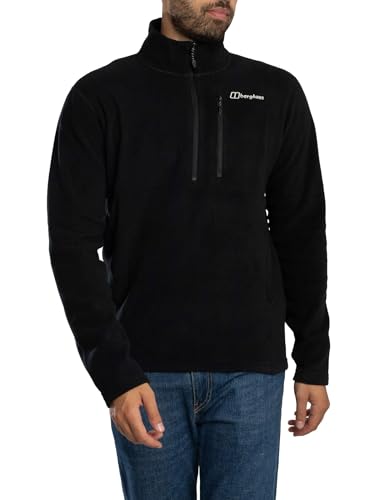
A good mid-layer should be:
warm enough for stops
breathable enough for movement
comfortable under a waterproof
light enough to pack
quick drying if it gets damp
Fleece
Fleece is simple, affordable, quick drying and useful across most UK conditions.
It is not very windproof, but that is fine if you pair it with a shell.
Grid Fleece
Grid fleece is more technical and breathable.
It works well if you run hot, hike uphill often or want warmth without feeling too stuffy.
Lightweight Insulated Mid-Layer
Synthetic insulated jackets can work as mid-layers in cold weather, but they are often better as a stop layer than something to hike hard in.
If you sweat heavily, a fleece is usually easier to manage.
Layer 3: Outer Layer
Your outer layer protects you from wind and rain.
For UK hiking, this usually means a waterproof jacket.
Not showerproof. Not “water-resistant enough”. A proper waterproof.
Rab Men s Downpour Jacket

Patagonia Men's M's Torrentshell 3l Rain Jacket

Regatta Mens Pack It III Waterproof Walking Jacket

Your waterproof should have:
taped seams
adjustable hood
decent cuffs
hem adjustment
enough room over layers
packable design
suitable breathability for walking
A waterproof jacket is not just for heavy rain. It also blocks wind, which can make a huge difference on exposed ground.
The downside is that waterproofs can trap heat. That is why you should not automatically wear one all day if it is not raining or windy.
Keep it easy to reach, then put it on when conditions ask for it.
Optional Layer: Insulation for Stops
This is the layer people often confuse with a walking layer.
An insulation layer is for when you stop, slow down or hit colder conditions.
It might be:
synthetic insulated jacket
lightweight down jacket
warmer fleece
packable insulated gilet
Berghaus Men's Vaskye Synthetic Insulated Jacket

Rab Men's Cirrus Flex Jacket

Helly Hansen Men's Sirdal Insulator Jacket

For UK hiking, synthetic insulation is often more forgiving in damp conditions than down. Down is warm and packable, but it does not like getting wet.
If you’re doing a short local walk, you may not need a dedicated insulation layer.
If you’re heading into hills, stopping for lunch, walking in winter, or hiking somewhere exposed, it becomes much more useful.
The rule is simple: if you’ll get cold when you stop, pack a warm layer you can throw on quickly.
The Start-Cold Rule
This is one of the best hiking clothing habits.
Start slightly cool.
If you start fully warm, you’ll probably overheat once you move.
A good test:
- standing still, you feel slightly cool
- uphill, you can vent or remove a layer
- after ten minutes walking, you feel comfortable
- when stopped, you add warmth quickly
That is better than starting cosy, sweating through your base layer, and then freezing at lunch.
It takes a bit of discipline because the car park often feels cold.
But your body will warm up once you’re moving.
Vent Before You Strip
You do not always need to remove a layer.
Sometimes you just need to vent.
Try:
- opening your jacket zip
- loosening cuffs
- taking off a hat
- slowing down slightly
- opening pit zips if you have them
- removing gloves
- unzipping your fleece
- pushing sleeves up if practical
Small changes make a big difference.
This is especially useful in mixed UK weather where you’re too warm with everything on, but too cold if you fully strip down.
Layering is not just about what you wear. It is about adjusting early.
Don’t Wait Until You’re Sweating
If you feel yourself overheating, act early.
Do not wait until your back is soaked.
When you start getting too warm:
- open vents
- unzip your fleece
- remove a layer before the big climb
- remove your hat
- slow the pace slightly
- avoid wearing waterproofs unless needed
Sweat becomes a problem once you stop.
A damp base layer on a windy ridge or chilly lunch stop can make you cold very quickly.
The aim is to stay comfortably cool while moving, not roasting.
Don’t Wait Until You’re Freezing Either
The opposite mistake is waiting too long to add layers.
If you stop for lunch, take photos, check the route, wait for someone, or hit an exposed section, add warmth before you’re properly cold.
Put on a layer when:
- you stop for more than a few minutes
- rain starts
- the temperature falls
- your hands start getting cold
- the wind picks up
- visibility drops
- you reach exposed ground
Cold is easier to prevent than fix.
Once you are properly chilled, getting warm again takes more effort.
Layering for Different UK Seasons
Spring Hiking
Spring is awkward.
You can get sun, wind, rain, cold mornings and warm climbs in the same walk.
Pack:
- lightweight base layer
- waterproof jacket
- gloves if it’s early spring
- fleece
- hat or buff
- spare socks on wet routes
Summer Hiking
Summer still needs layers.
You might not need much insulation, but you still need weather protection.
Pack:
- breathable T-shirt or lightweight base layer
- waterproof jacket
- sunscreen
- thin fleece or wind layer if exposed
- sun hat
- spare layer for stops
For warm-weather walking kit, this summer hiking EDC guide covers the extras worth carrying.
Autumn Hiking
Autumn is prime layering season.
Damp ground, cooler air and shorter days make flexibility important.
Pack:
- merino or synthetic base layer
- waterproof jacket
- gloves
- insulation layer for longer walks
- fleece
- warm hat
- spare socks
Winter Hiking
Winter needs more care.
Cold, wet, wind and short daylight can stack up quickly.
Pack:
- warm base layer
- waterproof shell
- hat
- spare gloves if needed
- emergency layer or blanket
- fleece or grid fleece
- insulated jacket for stops
- gloves
- warm socks
Do not rely on one thick coat for winter walking. You’ll overheat uphill, then freeze when you stop.
Layering for Rain
Rain layering is about keeping your warm layers dry.
A simple wet-weather setup:
- synthetic or merino base layer
- waterproof jacket
- warm hat or buff
- fleece mid-layer
- waterproof trousers if needed
- dry spare layer in your bag
Avoid wearing too much under a waterproof if you’re climbing hard. Waterproofs trap heat, and sweating inside one can make you wet anyway.
If it is raining but mild, you may need fewer warm layers underneath.
If it is raining and cold, protect insulation early.
Regatta Men's Pack-it Waterproof Outdoor Overtrousers

Buff®| Neckwear Merino

Bridgedale HIKE Midweight Coolmax Merino Comfort Boot Socks

Layering for Wind
Wind changes everything.
A mild day can feel cold fast when gusts hit exposed ground.
For wind, you need something that blocks it.
Good wind layering:
base layer
fleece
windproof or waterproof shell
hat or buff
gloves if needed
A fleece alone is not enough in wind because air passes through it easily.
That is why a shell layer matters even when rain is not falling.
If the wind is strong, avoid overdressing underneath. Use the outer shell to block wind, then adjust the warmth below it.
Layering for Hills and Exposed Ground
Hills make layering harder because you heat up climbing and cool down quickly on exposed tops.
A good hillwalking approach:
- start slightly cool
- put shell on near exposed ground if windy
- keep hat and gloves easy to reach
- remove or vent layers before the climb
- add insulation when stopped
- protect spare layers in a dry bag
Do not wait until the summit to realise your warm layer is buried under lunch, spare socks and a confusing pile of pouches.
Keep key layers accessible.
Layering for Woodland Walks
Woodland walks are usually more sheltered, but they can be damp, muddy and cooler under tree cover.
A good woodland setup:
- breathable base layer
- waterproof jacket if rain is possible
- hat or buff in colder months
- light fleece
- spare socks if trails are wet
Woodland paths can stay wet long after rain has stopped, so footwear and socks matter just as much as jackets.
Layering for Coastal Walks
Coastal walks bring wind, spray and fast-changing conditions.
A good coastal setup:
- breathable base layer
- windproof or waterproof shell
- gloves in colder months
- waterproof phone pouch
- fleece
- buff or hat
- spare dry layer
Coastal wind can make a sunny day feel much colder than expected.
Also, cliff-top weather can feel very different from the car park.
If you’re heading near the sea, this UK coastline walks guide covers the EDC gear worth taking.
What About Legs?
People talk about jackets a lot and then completely ignore their legs.
For most UK walks, hiking trousers or technical walking trousers are better than jeans.
Avoid jeans for proper hikes. Wet denim is heavy, cold and awful.
Good legwear options include:
- lightweight hiking trousers
- leggings or tights for some walkers
- shorts in summer
- softshell trousers
- waterproof trousers in heavy rain
- thermal leggings in winter
Mountain Warehouse Trek Stretch Mens Trousers

Peter Storm Men's Softshell Trousers with Microfleece Lining

Regatta Men's Pack-it Waterproof Outdoor Overtrousers
For wet UK walks, quick-drying trousers are usually better than thick trousers that hold water.
If heavy rain is forecast, pack waterproof trousers.
Socks Are Part of Layering
Your socks matter.
Cold or wet feet can ruin a walk, even if your jacket setup is perfect.
For UK hiking, choose proper walking socks rather than cotton socks.
Good options include:
merino hiking socks
cushioned boot socks
lightweight summer hiking socks
waterproof socks for wet trails
liner socks if you get blisters
Bridgedale HIKE Midweight Coolmax Merino Comfort Boot Socks
Darn Tough Vermont Men's Hiker Micro Crew Midweight Socks

SEALSKINZ Raynham | Waterproof All Weather Mid Length Merino Wool Socks

A spare pair of socks in a dry bag is one of the simplest comfort upgrades you can carry.
Dry socks at the right moment feel like civilisation.
Hats, Buffs and Gloves
Small accessories make a big difference.
A hat, buff and gloves weigh very little but help control comfort quickly.
Useful extras include:
warm hat
sun hat
buff or neck warmer
lightweight gloves
waterproof gloves in colder months
spare gloves for winter
Buff®| Neckwear Merino
Unigear Touch Screen Anti-slip Lightweight Gloves

Wide Brim Sun Hats for Men

A buff is especially useful because it can work as a neck warmer, face cover, headband, sweatband or emergency “why is the wind like this?” layer.
For UK hiking, small accessories are often better than one extra big jumper.
What to Carry in Your Bag
Even if you are wearing the right layers, carry a few backups.
For most UK walks, useful clothing extras include:
- waterproof jacket
- hat or buff
- spare socks
- dry bag for spare clothing
- spare warm layer
- gloves in cooler months
- waterproof trousers if rain is likely
Keep spare layers dry. A spare fleece sitting loose in a wet rucksack is not a spare layer. It is future dampness.
What Not to Wear Hiking
Some clothing is fine for short casual walks but poor for proper hiking.
Avoid:
- jeans on wet or long routes
- thick coats with no ventilation
- fashion trainers on muddy routes
- waterproofs that do not actually keep rain out
- cotton hoodies in cold rain
- brand-new boots with untested socks
- heavy jumpers that stay wet
You do not need to dress like a mountaineer for a countryside walk.
But you do need clothing that handles sweat, rain, wind and movement.
The UK will test all four, often before lunch.
Common Layering Mistakes
Wearing too much at the start
Start slightly cool and warm up as you move.
Wearing cotton
Cotton holds moisture and can make you cold when you stop.
Burying waterproofs
Keep rain gear easy to reach.
Wearing one huge coat
Layering beats one bulky coat for most UK hiking.
Waiting too long to remove a layer
If you’re overheating, vent or adjust early.
Forgetting wind
Wind cuts through fleece. Carry a shell.
Not packing dry spares
A spare layer only helps if it stays dry.
Ignoring hands and head
Cold fingers can make everything feel worse.
Simple Layer Setups by Walk Type
Short local walk
Wear a breathable T-shirt or base layer, light fleece if needed, and carry a waterproof jacket.
Full-day hike
Wear a base layer, carry a fleece or mid-layer, waterproof jacket, spare warm layer, hat, gloves and spare socks.
Summer hill walk
Wear a breathable base layer, carry a light fleece, waterproof shell, sun hat, sunscreen and enough water.
Half-day countryside walk
Wear a base layer and fleece, carry a waterproof jacket, spare socks and a hat or buff.
Wet-weather walk
Wear a synthetic or merino base layer, fleece, waterproof jacket, waterproof trousers if needed, and keep spare socks dry.
Winter day hike
Wear a warm base layer, fleece, waterproof shell, hat and gloves. Carry an insulated layer, spare gloves, spare socks and emergency backup.
Final Thoughts: Stay Adjustable
Good layering is not about wearing the perfect outfit from start to finish.
It is about staying adjustable.
Add a layer before you get cold. Vent before you sweat. Keep waterproofs reachable. Protect your spare clothes. Start slightly cool. Carry small accessories. Avoid cotton when the weather matters.
UK hiking is rarely one-temperature, one-weather, one-layer simple.
That is why layering works.
You are not dressing for the car park. You are dressing for the climb, the wind, the rain, the lunch stop, the muddy path, the exposed bit and the walk back.
Get that right and hiking feels much better.
Get it wrong and you spend the day either boiling, freezing or doing both somehow.
Hiking Layers FAQs
What is the best layering system for UK hiking?
The best basic system is a moisture-managing base layer, a fleece or mid-layer for warmth, and a waterproof shell for wind and rain. Add insulation, hat, gloves and spare socks depending on season and route.
Should I wear a cotton T-shirt for hiking?
Cotton is not ideal for longer hikes, wet weather or cooler conditions because it holds moisture and dries slowly. Merino wool or synthetic technical fabrics are better for hiking.
How do I stop sweating while hiking?
Start slightly cool, avoid overdressing, open zips early, remove your hat or gloves, slow your pace on climbs, and take layers off before you are soaked with sweat.
What should I wear hiking in rain?
Wear a merino or synthetic base layer, fleece if needed, waterproof jacket and waterproof trousers if rain is heavy or persistent. Keep spare socks and warm layers dry in a dry bag.
Do I need a fleece for hiking?
A fleece is one of the most useful hiking layers for UK conditions. It is warm, breathable, quick drying and works well under a waterproof jacket.
What should I wear on my legs for hiking?
Quick-drying hiking trousers, softshell trousers, shorts in summer, or leggings can all work depending on the route. Avoid jeans on wet or longer walks because they become heavy, cold and slow to dry.


