

Field Notes From the Edge
Track five core habits. Reflect each morning and night. Build direction through repetition… not motivation.
A FREE 90-day structure for those who want to show up, not just think about it.
A Quick Note on Links
As an Amazon Associate I earn from qualifying purchases.
This helps me create more class content for you to get inspired by.
Please Note
Outdoor activities involve risk. The information on this site is for general guidance only and should not replace proper training, manufacturer instructions, local laws, or your own judgement. Always use equipment safely and responsibly.
Bad weather has excellent timing.
It usually waits until you’re far enough from the car to make things annoying, then turns up with sideways rain, a smug gust of wind and the kind of low cloud that makes every path look like the wrong path.
Getting caught in bad weather on a UK walk does not automatically mean disaster. Most of the time, it means slowing down, layering up, checking the route, making better decisions and accepting that the walk has changed.
The problem starts when people keep pushing on with the original plan because they don’t want to “give up”.
That is how a wet walk becomes a cold walk. A cold walk becomes a navigation problem. A navigation problem becomes a proper situation.
This guide covers what to do if bad weather hits during a UK walk, from heavy rain and strong wind to fog, thunder, cold and coastal conditions.
First Rule: Stop Pretending It’ll Definitely Pass
Sometimes bad weather does pass.
Sometimes it gets worse.
The mistake is assuming the first version because it makes your plan easier.
If the weather turns, pause and check what is actually happening.
Ask yourself:
- Is the rain getting heavier?
- Is visibility dropping?
- Is the route becoming harder?
- Do we have enough daylight?
- Is the wind picking up?
- Are we getting colder?
- Are we still on track?
- Is the safest option still ahead, or behind us?
That pause matters.
A calm five-minute rethink is better than a dramatic one-hour mistake.
The Met Office issues UK weather warnings for rain, wind, snow, ice, fog, thunderstorms, lightning and extreme heat, so if conditions start feeling bigger than expected, it is worth checking whether a warning is active or has changed.
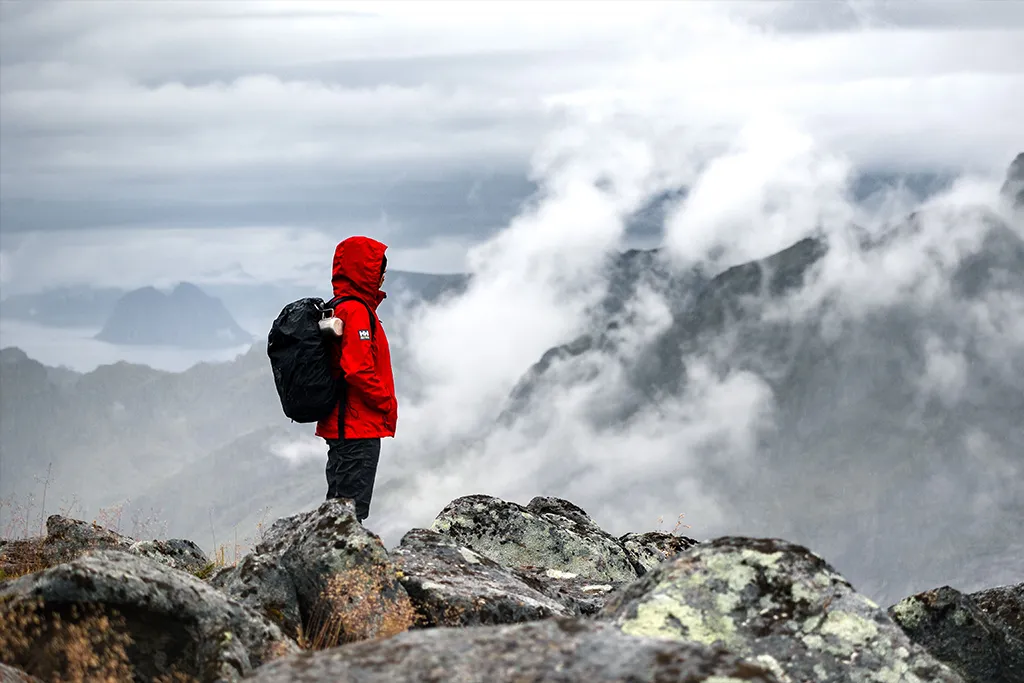
Step 1: Put Waterproofs on Early
Do not wait until you are soaked.
This is the classic beginner mistake. People carry a waterproof jacket all day, then only put it on once their fleece, base layer and general spirit are already wet.
As soon as proper rain starts, layer up.
Put on:
- waterproof jacket
- hat or hood
- pack cover if you use one
- waterproof trousers if you have them
- gloves if it is cold
Rab Men s Downpour Jacket

Patagonia Men's M's Torrentshell 3l Rain Jacket

Regatta Mens Pack It III Waterproof Walking Jacket

The aim is not to stay bone dry forever. The aim is to stop the rain from soaking your warm layers.
Wet skin is annoying.
Wet insulation is where things get miserable.
Step 2: Protect Your Phone and Essentials
Your phone is probably doing too many jobs.
It may be your map, camera, train ticket, weather forecast, emergency contact and payment method. Bad weather is exactly when you need it most.
Get it protected early.
Use:
- waterproof phone pouch
- inner pocket
- zip pouch for power bank and cable
- dry bag
- waterproof map case
Aquapac Waterproof Phone Case

OEX Drysac Multi Pack

ipow Waterproof Pouch Bag Case Waist Strap

Do not keep pulling your phone out in heavy rain unless you need to. Water in the charging port, cold battery drain and wet hands are a very annoying combination.
If you need to check the map, stop somewhere sheltered, check it properly, then put the phone away.
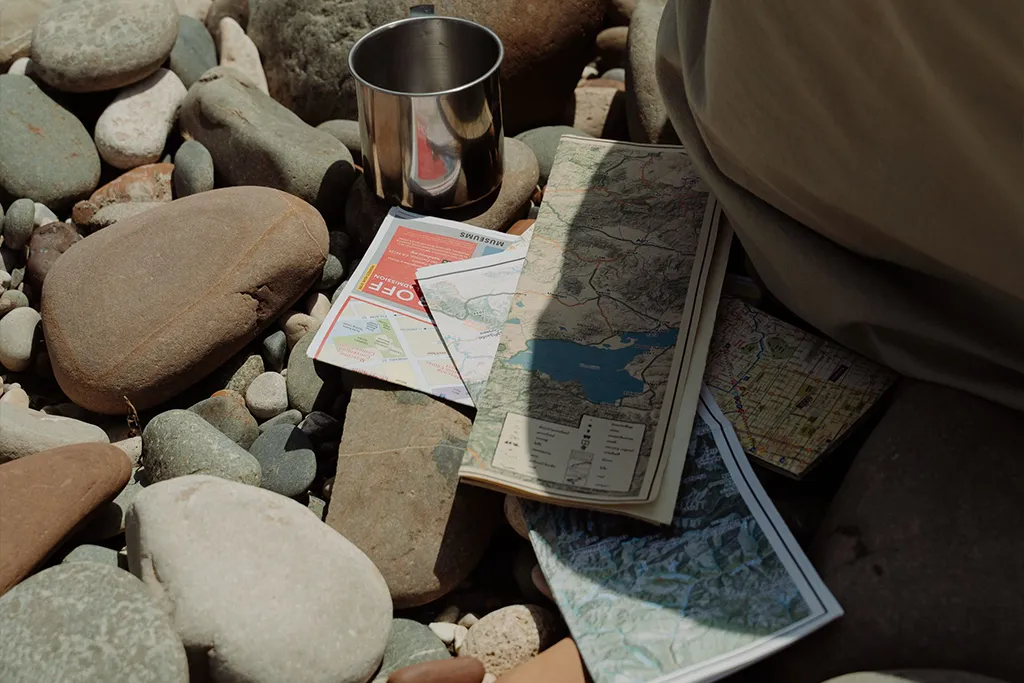
Step 3: Check the Route, Not Just the Weather
Bad weather changes the route.
A path that is easy in dry conditions can become slow, slippery or awkward when soaked. A ridge that feels fine in calm weather can feel very different in strong gusts. A woodland path can become muddy and hard to follow. A coastal route can become much more serious when wind, rain and tides combine.
Look at your route again.
Ask:
- Are we heading higher?
- Are we near cliffs, rivers or coast?
- Is there a lower option?
- Are we still moving at the expected pace?
- Are we crossing exposed ground?
- Is there a shorter route back?
- Can we turn around safely?
- Is sunset becoming a problem?
This is where a map, offline route and power bank are not just nice extras. They give you options.
Silva compass navigation - EXPEDITION 4

Snowdon / Yr Wyddfa Map

Orientation Compass, Waterproof Map Case with Emergency Whistle

Step 4: Decide Whether to Go On, Change Route or Turn Back
You have three choices.
Keep Going
This makes sense if the weather is manageable, the route is still safe, you have the right kit, and conditions are not getting worse.
Change Route
This is often the smartest option.
Go lower. Shorten the route. Skip the exposed section. Head for a village, station, car park or easier path.
Turn Back
Turning back is not failure.
It is just choosing the easiest safe option before the walk becomes a problem.
Turn back if:
- visibility is dropping badly
- someone is getting cold
- daylight is running out
- thunder is nearby
- the group is no longer enjoying it
- the wind is making movement difficult
- the route is becoming unsafe
- water levels are rising
- you are not sure where you are
The mountain does not know you turned back.
The weather does not care.
Your ego will recover.
Heavy Rain: What to Do
Heavy rain makes everything slower.
Paths get slippery. Streams rise. mud gets worse. Paper maps suffer. People get colder when they stop. Food breaks become less appealing.
In heavy rain:
- put waterproofs on early
- avoid unnecessary stops
- keep electronics dry
- avoid flood-prone paths
- eat and drink even if you don’t feel like it
- keep moving steadily
- protect warm layers
- avoid river crossings
- check escape routes
OEX Drysac Multi Pack
Bridgedale HIKE Midweight Coolmax Merino Comfort Boot Socks

Orientation Compass, Waterproof Map Case with Emergency Whistle
Rain itself is not always the problem.
Cold plus rain plus wind plus delay is the ugly combination.
Strong Wind: What to Do
Strong wind is underrated.
It can knock balance, chill you quickly, make map reading difficult, turn exposed paths unpleasant and make ridges or cliff edges risky.
In strong wind:
- avoid exposed ridges
- avoid walking under unstable trees
- secure loose kit
- choose lower paths
- avoid stopping in exposed spots
- avoid cliff edges
- shorten the route if needed
- use poles if you have them
- keep the group together
COVACURE Walking Poles - 2 Pack Lightweight Collapsible Walking Sticks

Buff®| Neckwear Merino

OEX Men's Braewick Full Zip Fleece

Wind also makes rain worse because it strips warmth away faster.
A walk does not need to be technically difficult to become miserable in wind. A flat moor, open field or coastal path can feel brutal when gusts are pushing you around.
Fog, Mist and Low Cloud: What to Do
Fog and low cloud are route-wreckers.
They make navigation harder, slow you down and remove the landmarks you were relying on.
If visibility drops:
- stop and check your location
- confirm your last known point
- stay on clear paths where possible
- avoid cliff edges, steep drops and water edges
- keep the group close together
- use map and compass if you can
- avoid guessing
- avoid pathless ground
- turn back if unsure
Silva compass navigation - EXPEDITION 4
Snowdon / Yr Wyddfa Map
PETZL - Headlamp TIKKINA Black

This is not the time to “just head that way”.
That way may be a bog, a drop, a long detour or simply wrong.
If you are not confident navigating in poor visibility, choose a lower or clearer route while you still can.
Thunder and Lightning: What to Do
Thunderstorms are different from normal bad weather.
Do not mess about with them.
The Met Office advises avoiding shelter close to buildings and trees during lightning, staying away from objects that conduct electricity, and getting down low with minimal contact with the ground if caught out.
If thunder is nearby:
- get off high ground
- avoid lone trees
- move away from water
- avoid open exposed ground where possible
- wait for the storm to pass before continuing
- avoid ridges and summits
- avoid metal fences and poles
- spread out slightly if in a group
- crouch low if lightning is very close
Do not shelter under the obvious lone tree.
That is not shelter. That is volunteering.
If thunderstorms are forecast before you start, change the route or stay lower. If they are serious or likely, stay home and enjoy not becoming a headline.
Cold, Wet and Windy: Watch for Hypothermia Signs
Bad weather does not have to be dramatic to become serious.
Cold rain and wind can drain heat quickly, especially if someone is tired, hungry, wet or standing still.
The NHS lists hypothermia symptoms including shivering, pale cold dry skin, slurred speech, slow breathing, tiredness or confusion.
Watch for:
- shivering
- confusion
- quiet behaviour
- slow movement
- no longer caring about getting wet or cold
- clumsiness
- slurred speech
- stumbling
- poor decisions
If someone is getting too cold:
- stop somewhere sheltered
- put on waterproofs
- give food and warm drinks if safe
- shorten the route
- add dry layers if available
- get them off wet ground
- use an emergency blanket or shelter
- get help if needed
Safety First Aid Group HypaGuard Foil Survival Blanket

Vango Storm Shelter Person Emergency Survival Shelter

JB's TREK Protein Flapjack - Biscoff

This is where a small emergency shelter, dry layer and snacks can be more useful than half the shiny gear people obsess over.
For useful small safety kit, this first-aid guide covers the basic items worth carrying on UK walks.

Coastal Bad Weather: Add Tides and Cliffs to the Problem
Coastal walks have extra hazards.
Rain and wind are bad enough. Add cliffs, waves, slippery paths and tides, and the route can change quickly.
The RNLI advises coastal walkers to check the weather and tides, take care near cliff edges and slippery ground, carry a way to call for help, and tell someone where they are going. Getting cut off by the tide is a common cause of lifeboat launches.
In coastal bad weather:
- move away from cliff edges
- check tide times
- avoid slippery rocks
- keep your phone protected
- avoid wave-exposed paths
- do not use beach shortcuts unless safe
- turn back early if the route is exposed
- know your escape routes
Aquapac Waterproof Phone Case
Rab Men s Downpour Jacket
COVACURE Walking Poles - 2 Pack Lightweight Collapsible Walking Sticks
The sea does not care that the car park is “just round there”.
What If You’re Lost in Bad Weather?
Stop walking.
That is the first move.
Do not keep going just because standing still feels awkward.
If you think you are lost:
- stop
- add layers
- check your last known location
- use GPS if available
- avoid descending blindly
- call for help if needed
- get out of immediate danger
- protect your phone
- check map and compass
- look for obvious landmarks
- retrace your route if safe
Fizzix 2-Pack High-Decibel Survival Whistles

Anker Power Bank, 24,000mAh 3-Port Portable Charger

Orientation Compass, Waterproof Map Case with Emergency Whistle
If you need Mountain Rescue in England or Wales, dial 999 or 112, ask for Police, then Mountain Rescue. Mountain Rescue England and Wales says to give details of the incident and stay where you are until contacted by the rescue team.
This is not being dramatic.
This is what the system is for when things are genuinely beyond self-sorting.
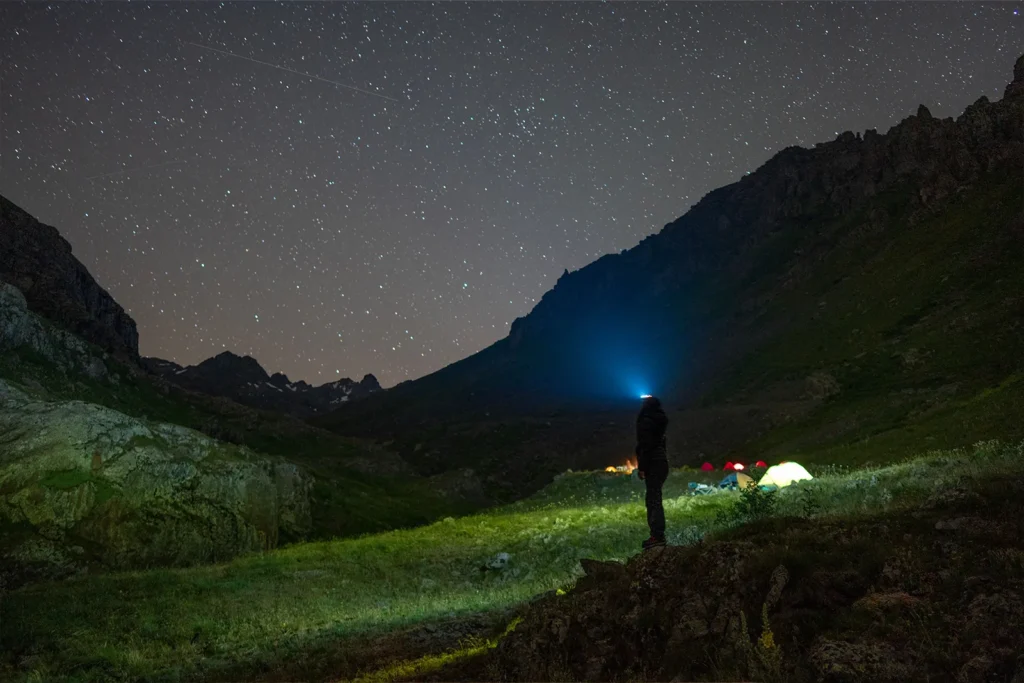
What If It Gets Dark Too?
Bad weather and darkness are a horrible pairing.
Visibility drops, navigation gets harder, paths become less obvious and wet ground becomes more awkward.
If darkness is approaching:
- get your head torch out before you need it
- shorten the route
- avoid exposed or technical sections
- check transport times
- check batteries
- stay on clear paths
- keep the group close
- avoid rushing
PETZL Actik Core, Rechargeable Front Lamp

Black Diamond Spot 400-R

Anker Power Bank, 24,000mAh 3-Port Portable Charger
Anker Power Bank, Compact Portable Charger

Do not wait until it is properly dark to start thinking about light.
That is like waiting until you are soaked to consider a waterproof.
What to Carry So Bad Weather Is Less of a Problem
You do not need to pack for the apocalypse.
You do need a few basics.
For UK walks, useful bad-weather kit includes:
- waterproof jacket
- hat or buff
- head torch
- snacks
- first-aid kit
- dry bag or waterproof pouch
- map or offline route
- personal medication
- spare warm layer
- gloves in colder weather
- power bank
- water
- blister plasters
- emergency blanket
- whistle
OEX Drysac Multi Pack
First Aid Kit - 170 Pieces Hard Case and Lightweight

Nalgene Water Bottle

This list is not about fear. It is about options.
Bad weather is less intimidating when you are not relying entirely on optimism and a phone on 18%.
What Not to Do in Bad Weather
Do not:
- keep climbing higher if conditions are worsening
- shelter under lone trees in lightning
- cross flooded streams
- leave waterproofs in the bottom of your bag
- rush navigation decisions
- ignore cold hands, shivering or confusion
- walk close to cliff edges in high wind
- rely on phone signal alone
- split the group unnecessarily
- carry on just because the route plan says so
The route plan is not a contract.
It is a suggestion that bad weather is allowed to renegotiate.
The Simple Bad Weather Decision System
Use this.
Carry on
The weather is manageable, visibility is okay, everyone is warm enough, and the route still makes sense.
Turn back
Visibility is poor, wind is strong, someone is cold, thunder is nearby, daylight is running out, or the route no longer feels sensible.
Change route
The weather is worse than expected, but you have a lower, shorter or safer option.
Get help
Someone is injured, lost, too cold, unable to continue, or you cannot safely self-rescue.
Most of the time, you will be somewhere between “change route” and “turn back”.
That is fine.
The best outdoor people are not the ones who always push on. They are the ones who notice when the plan has become stupid.
Common Bad Weather Mistakes
Waiting too long to layer up
Put waterproofs on before you are soaked.
Ignoring wind
Wind turns mild rain into cold misery.
Not eating
Cold, wet people often stop eating. That makes decision-making worse.
Refusing to turn back
The hill will still be there next week.
Carrying waterproofs but burying them
Keep rain gear where you can reach it.
Trusting one phone app
Use offline maps, battery backup and basic navigation.
Rushing
Bad weather is exactly when you should slow down and think.
Underestimating coastal routes
Tides, cliffs, wind and waves are not background decoration.
Final Thoughts: Bad Weather Changes the Walk
Getting caught in bad weather does not mean you have failed.
It means the plan has changed.
Put waterproofs on early. Protect your phone. Check the route. Watch the wind. Take fog seriously. Avoid high ground in thunderstorms. Keep warm. Turn back before pride makes the decision for you.
Most bad-weather problems start small.
A wet sleeve. A wrong turn. A phone battery dropping. A cold group member getting quiet. A path taking longer than expected.
Notice those early.
Fix them early.
The goal is not to beat the weather. The goal is to get home with a story, not a rescue report.
Bad Weather Walk FAQs
What should I do first if bad weather hits on a walk?
Stop briefly, put waterproofs on early, protect your phone and check whether the route still makes sense. Do not wait until you are soaked or cold before changing the plan.
Should I turn back if it starts raining heavily?
Not always. Heavy rain may be manageable with the right kit and an easy route, but turn back or change route if visibility drops, paths become unsafe, water levels rise, someone gets cold or daylight becomes tight.
Is it safe to walk in strong wind?
It depends on the route. Strong wind is much more serious on ridges, cliffs, summits, exposed moorland and coastal paths. Choose lower, sheltered routes if gusts feel difficult or the route becomes exposed.
What should I do if I get lost in bad weather?
Stop walking, get somewhere safe, add layers, protect your phone, check your last known point, use your map or GPS, and retrace your route if safe. If you cannot self-rescue, call 999 or 112 and ask for Police, then Mountain Rescue.
What should I do if there is thunder on a walk?
Avoid high ground, ridges, lone trees, metal fences, water and exposed open areas. Move lower if you can do so safely. If lightning is very close, get down low with minimal contact with the ground.
What kit helps most in bad weather?
A waterproof jacket, warm layer, head torch, power bank, first-aid kit, dry bag, waterproof phone pouch, snacks, water and basic navigation are the most useful items for most UK walks.


