

Field Notes From the Edge
Track five core habits. Reflect each morning and night. Build direction through repetition… not motivation.
A FREE 90-day structure for those who want to show up, not just think about it.
A Quick Note on Links
As an Amazon Associate I earn from qualifying purchases.
This helps me create more class content for you to get inspired by.
Please Note
Outdoor activities involve risk. The information on this site is for general guidance only and should not replace proper training, manufacturer instructions, local laws, or your own judgement. Always use equipment safely and responsibly.
Packing for a walk should not feel like preparing for a polar expedition.
You do not need three knives, four torches, a full camping stove, spare trousers, a survival tin from 2009 and enough snacks to supply a school trip.
But you also should not head out with just a phone, half a bottle of water and blind confidence.
A good UK walking day bag sits somewhere in the middle. Light enough that you actually enjoy the walk, but useful enough that bad weather, sore feet, getting delayed or taking a wrong turn does not ruin the day.
This guide breaks down what to pack in a day bag for a UK walk without overpacking.
The Goal: Useful, Not Ridiculous
A good day bag should cover the basics:
- weather
- food
- small injuries
- phone battery
- getting home without becoming a damp cautionary tale
- water
- navigation
- darkness
- comfort
That does not mean stuffing every “just in case” item you own into a rucksack.
The trick is packing for the walk you are actually doing.
A flat two-hour woodland loop does not need the same kit as a full day in the Peak District. A summer canal walk does not need the same setup as a wet coastal route in October.
Pack for the route, the weather, the season and your own ability.
Start With the Bag Itself
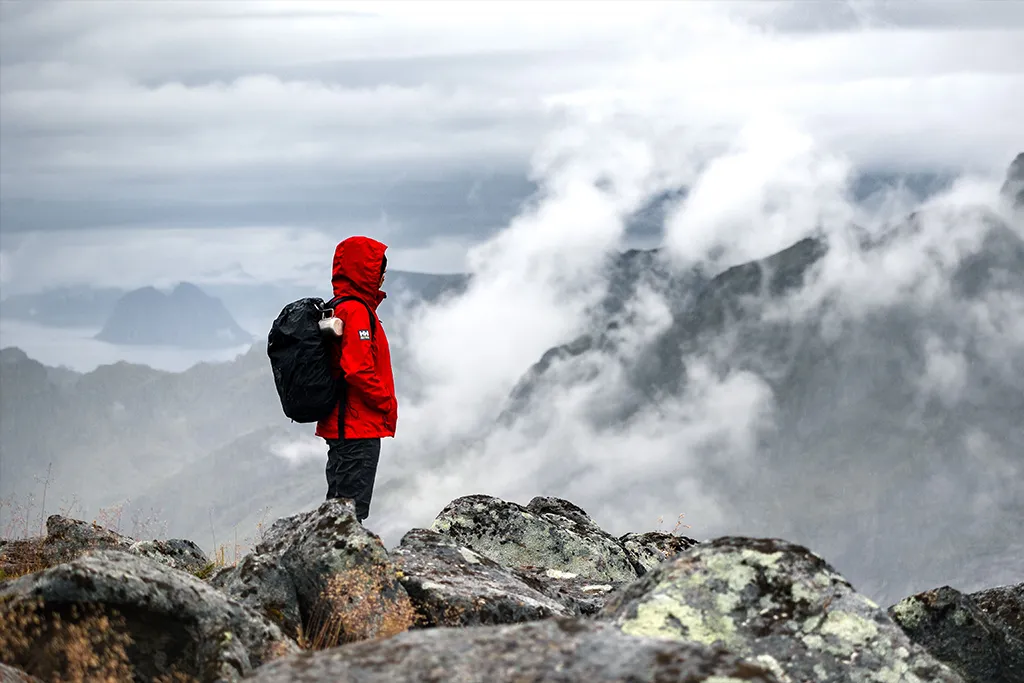
You do not need a huge rucksack for a day walk.
For most UK walks, a bag between 15 and 25 litres is enough. That gives you space for a waterproof jacket, water, snacks, first aid, spare layer, power bank and a few useful extras.
For short local walks, a smaller sling bag or compact daypack can work.
For longer walks, winter routes or wet-weather days, go slightly bigger.
Osprey Daylite Plus Lifestyle Backpack, 20L

Berghaus 24/7 20L Rucksack

Quechua NH100 hiking rucksack, 10 litres

Look for:
- comfortable straps
- side bottle pockets
- simple access
- decent zip quality
- enough room for layers
- internal pocket for valuables
- light weight
- rain cover or water-resistant fabric
Do not overthink the bag. The best day bag is the one you actually use, not the one with 19 hidden compartments and a name that sounds like a military operation.
The Basic UK Day Walk Packing List
For most day walks, I’d pack:
- waterproof jacket
- snacks or lunch
- power bank
- blister plasters
- spare warm layer
- map or offline route
- small rubbish bag
- any personal medication
- water bottle
- phone
- small first-aid kit
- head torch
- hat or buff
- tissues or wipes
- keys and wallet
That covers most normal walks without turning your bag into a punishment.
The big idea is simple: if the weather changes, the walk takes longer, your feet start rubbing, or your phone battery drops, you have enough to sort it.
1. Waterproof Jacket
A waterproof jacket is one of the most important things in a UK day bag.
Even if the forecast looks fine.
Especially if the forecast looks “probably fine”.
UK weather has a talent for turning a casual walk into a wet character-building exercise. A packable waterproof gives you options when rain turns up early, wind picks up or the temperature drops.
Rab Men s Downpour Jacket

Regatta Mens Pack It III Waterproof Walking Jacket

Patagonia Men's M's Torrentshell 3l Rain Jacket

For a day walk, you want something that packs small enough to carry but is still useful in proper rain.
Look for:
- taped seams
- decent cuffs
- enough room for a fleece underneath
- adjustable hood
- packable design
You do not need a premium mountain shell for every walk, but you do need something better than pretending your hoodie is waterproof because it once survived drizzle.
2. Water Bottle
Water is boring until you do not have enough.
For most short walks, one bottle is fine. For longer walks, hot days, exposed routes or walks with kids, take more.
Rab Men s Downpour Jacket
Regatta Mens Pack It III Waterproof Walking Jacket
Patagonia Men's M's Torrentshell 3l Rain Jacket
A simple one-litre bottle is a good starting point for many day walks. If it is warm, hilly or longer than expected, carry extra.
Do not rely on buying water halfway unless you know there is actually somewhere open.
A village shop shown on a map is not a hydration strategy.
3. Snacks or Lunch
Food is not just for dramatic mountain adventures.
Snacks help if the walk takes longer than expected, your energy dips, you miss lunch, or someone in the group starts getting quietly unreasonable.
Good day walk snacks include:
- flapjack
- chocolate
- sandwiches
- sweets
- trail mix
- nuts
- wraps
- cereal bars
- dried fruit
- crisps
JB's TREK Protein Flapjack - Biscoff

ACTI-SNACK Keto Trail Mix

Romney's Kendal Mint Cake, 170 g

You do not need loads. Just enough to stop the walk becoming miserable.
Pack food that survives being squashed. A banana at the bottom of a rucksack is basically a crime scene.
4. Phone and Power Bank
Your phone is useful outdoors.
It can handle maps, weather, photos, emergency calls, train tickets, messages, route notes and payment.
Which is exactly why you should not let it die.
Anker Laptop Power Bank, 25,000mAh

YOSH Waterproof Phone Pouch 2 Pack

Elecom Nestout Portable Charger

Carry a compact power bank for longer walks, unfamiliar routes, train-based trips or any day where your phone is doing navigation.
Before leaving:
- charge your phone
- take the right cable
- use battery saver if needed
- download offline maps
- keep the phone dry
- do not waste half the battery filming sheep
A power bank is not exciting outdoor gear. It is still one of the most useful things in the bag.
5. First-Aid Kit and Blister Care
You do not need a huge medical kit for a day walk.
You do need enough to deal with small problems.
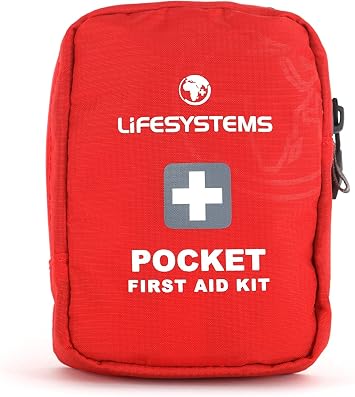
Lifesystems Pocket First Aid Kit
Compeed 6 Medium Size Blister Plasters

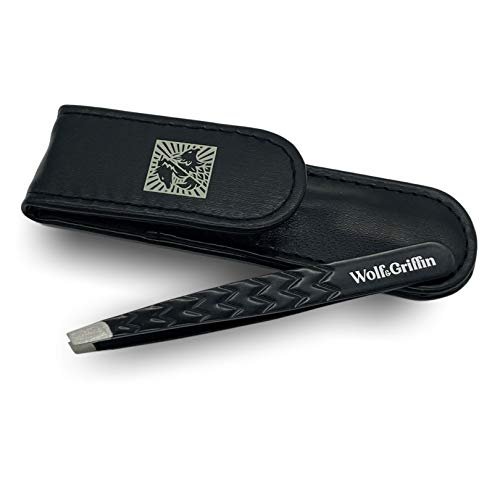
Wolf & Griffin Black Edition Ultimate Precision Tweezers
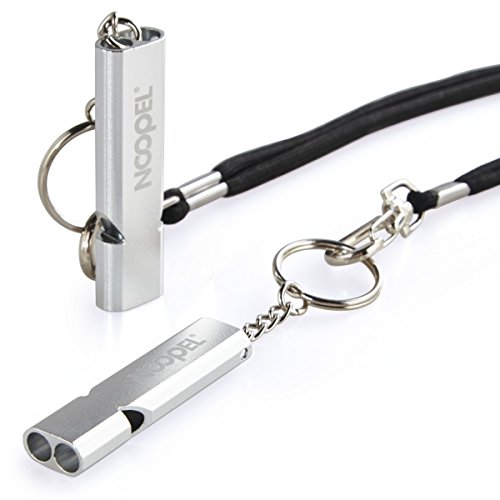
Emergency Survival Whistle Noopel Double Tubes
Safety First Aid Group HypaGuard Foil Survival Blanket

A simple walking first-aid setup might include:
- plasters
- antiseptic wipes
- painkillers if suitable for you
- tape
- blister plasters
- small dressing
- tick remover
- personal medication
Blisters are the big one. They sound minor until you are three miles from the car and every step feels like a personal attack.
Sort hot spots early. Do not wait until your heel has started its own protest movement.
6. Spare Warm Layer
A spare layer is useful even when the day starts mild.
Weather changes. Wind picks up. You stop for lunch. Someone takes longer than expected. The temperature drops as the afternoon moves on.
A lightweight fleece or warm mid-layer gives you backup without much bulk.
OEX Men's Braewick Full Zip Fleece

Mountain Warehouse Merino Mens Long Sleeved Thermal Baselayer Top

Buff®| Neckwear Merino

For most day walks, a fleece or lightweight insulated layer is enough.
Avoid packing three spare jumpers unless the forecast and route genuinely justify it. Overpacking layers is one of the easiest ways to turn a pleasant day bag into a shoulder workout.
7. Head Torch
A head torch belongs in your day bag more often than people think.
Even if you plan to be back before dark.
Especially if you plan to be back before dark.
Walks take longer. Pubs happen. Trains get delayed. Routes get muddy. Wrong turns appear. Sunset arrives with no interest in your schedule.
PETZL Actik Core, Rechargeable Front Lamp

Black Diamond Spot 400-R

PETZL - Headlamp TIKKINA Black

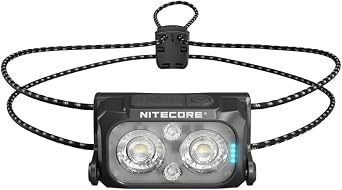
Nitecore NU25 MCT UL Headlamp
Ledlenser MH5 - Rechargeable Outdoor LED Head Torch

Silva Head Torch

A small head torch gives you hands-free light if the day runs late.
Your phone torch is better than nothing, but it drains the device you might need for maps or calls. A head torch is the better tool.
8. Navigation
For easy local walks, a phone route may be enough.
For longer walks, unfamiliar places, hills, forests, moorland or coastal paths, have a better plan.
Carry or prepare:
- offline map
- paper map if needed
- written route notes
- escape route if things change
- route screenshot
- compass if you know how to use it
- start and finish points
Silva compass navigation - EXPEDITION 4

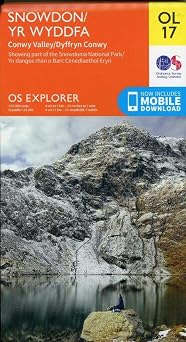
Snowdon / Yr Wyddfa Map
Orientation Compass, Waterproof Map Case with Emergency Whistle

You do not need to become a navigation expert before every walk. But you should know where you are going and what your backup is if the phone stops cooperating.
Guessing is not navigation. It is confidence with worse outcomes.
9. Small Waterproof Storage
Even if your rucksack has a rain cover, it is worth protecting key items.
A small dry bag, zip pouch or waterproof phone case can keep important things dry.
Useful things to protect:
- phone
- spare socks
- wallet
- power bank
- notebook
- keys
- first-aid kit
- map
OEX 15 Litre Drysac, Orange, One Size

Osprey Ultralight Dry Sack, 20L

YOSH Waterproof Phone Pouch 2 Pack
You do not need a full dry bag system for every short walk. But one small waterproof pouch is a good idea.
Rain does not need permission. Neither does a leaking water bottle.
10. Small Outdoor Extras That Earn Their Place
A few tiny extras can be genuinely useful without overloading the bag.
Good options include:
- whistle
- hand sanitiser
- sunglasses
- lip balm
- spare socks for wet routes
- tissues
- small rubbish bag
- sunscreen
- gloves in colder months
- small notebook and pencil
Emergency Survival Whistle Noopel Double Tubes
Rite in the Rain Waterproof Paper Pocket Wire Bound Spiral Notebook

Piz Buin Moisturising Sun Lotion SPF 30 (200ml),

These are the items that weigh little but make a walk easier when something small goes wrong.
The key is not to carry every possible extra. Pick the ones that suit the walk.
If you like useful pocket kit, this guide to five EDC pieces under £50 has more affordable ideas.
What Not to Pack for a Normal Day Walk
Overpacking usually comes from fear, habit or watching too many survival videos.
For a normal UK day walk, you probably do not need:
- large fixed blade knife
- full cooking kit
- multiple torches
- heavy flask and multiple bottles
- emergency shelter for a local park loop
- three different fire starters
- axe
- huge first-aid kit
- spare trousers
- big battery station
- loads of duplicate tools
There are exceptions. Remote routes, winter hills, group walks and serious weather need more kit.
But for most casual day walks, the aim is to carry useful basics, not cosplay as a mountain rescue depot.
Packing by Walk Type
Short local walk
Pack:
- phone
- small snack
- keys and wallet
- water
- waterproof if weather looks mixed
Half-day countryside walk
Pack:
- waterproof jacket
- snacks
- power bank
- blister plasters
- small waterproof pouch
- water bottle
- phone
- first-aid kit
- spare warm layer
Full-day hike
Pack:
- waterproof jacket
- water
- phone and power bank
- first-aid kit
- offline map or paper map
- small rubbish bag
- spare warm layer
- lunch and snacks
- head torch
- blister care
- whistle
- personal medication
Coastal walk
Pack:
- waterproof jacket
- water
- phone pouch
- first-aid kit
- head torch if timing is close
- warm layer
- snacks
- power bank
- tide-aware route plan
Woodland walk
Pack:
- water
- waterproof jacket
- first-aid kit
- small torch
- snacks
- phone
- tick remover
- offline map if unfamiliar
Wet-weather walk
Pack:
- waterproof jacket
- warm layer
- first-aid kit
- snacks
- spare socks
- phone pouch
- power bank
- dry bag for essentials
How to Avoid Overpacking
The easiest way to stop overpacking is to ask better questions.
Before adding something, ask:
- Will I realistically use this?
- What problem does it solve?
- Is there already something in the bag that does the same job?
- Does the route actually justify it?
- Is the weather asking for it?
- Would I still carry this after three miles?
That last one is the truth test.
Everything feels useful at home. Less so when it is digging into your shoulders halfway up a hill.
Pack Heavy Items Close to Your Back
How you pack matters.
Put heavier items close to your back and roughly in the middle of the bag. Keep things you need quickly near the top or in outside pockets.
Good quick-access items:
- waterproof jacket
- phone
- gloves or buff
- first-aid kit
- snacks
- map
- head torch if it’s getting late
Do not bury your waterproof under lunch, spare layers and a bag of crisps. If the rain arrives, you want it fast.
A badly packed bag can make even a light load feel annoying.
The “Don’t Leave Without These” List
For most UK day walks, the core kit is:
- waterproof jacket
- food
- power bank
- blister plasters
- warm layer
- water
- phone
- first-aid kit
- head torch
- navigation
If you have those covered, you are already ahead of the “phone and vibes” crowd.
Common Day Bag Mistakes
Packing for fear instead of the route
You do not need every piece of kit for every walk.
Relying on a phone torch
Fine for finding keys. Less fine for walking back in the dark.
Carrying too many duplicates
One head torch is enough. Three is a problem.
Taking heavy food
A full glass jar of pasta sauce is not a hiking snack. Apparently this needs saying.
Forgetting water
Still the classic.
Not packing blister plasters
Tiny item. Massive difference.
Burying waterproofs
Rain does not wait politely while you unpack.
Not checking the weather
The bag should match the forecast, not your mood.
Final Thoughts: Pack Light, Not Useless
A good day bag is not about carrying everything.
It is about carrying the right things.
Waterproof. Water. Food. First aid. Phone power. Warm layer. Head torch. Navigation. A few small extras that make sense for the route.
That is enough for most UK walks without turning your bag into a portable shed.
Pack light, but not useless. Be prepared, but not ridiculous. And remember: the best bit of kit is the one you actually carry when the weather turns, the walk runs late, or your feet start complaining.
Day Bag Packing FAQs
What should I pack in a day bag for a UK walk?
For most UK walks, pack a waterproof jacket, water, snacks, phone, power bank, small first-aid kit, blister plasters, spare warm layer, head torch and some form of navigation.
What size bag do I need for a day walk?
A 15 to 25 litre daypack is enough for most UK day walks. Short local walks may need less, while winter walks, wet-weather routes or full-day hikes may need more space.
Do I need a head torch for a day walk?
Yes, it is worth carrying one, especially on longer walks. A head torch is small, light and useful if the route takes longer than expected or you end up walking back near dusk.
How much water should I take on a walk?
For many short walks, one bottle is enough. For longer routes, warm weather, hills or exposed paths, take more. Do not rely on finding water unless you know there is a safe refill point.
How do I stop overpacking for walks?
Pack for the route, weather and season. Avoid duplicates, skip dramatic survival gear, and only carry items that solve realistic problems for that specific walk.
Should I take a first-aid kit on a day walk?
Yes. A small first-aid kit with plasters, blister care, wipes, dressings and personal medication is sensible for most walks and does not need to take up much space.


