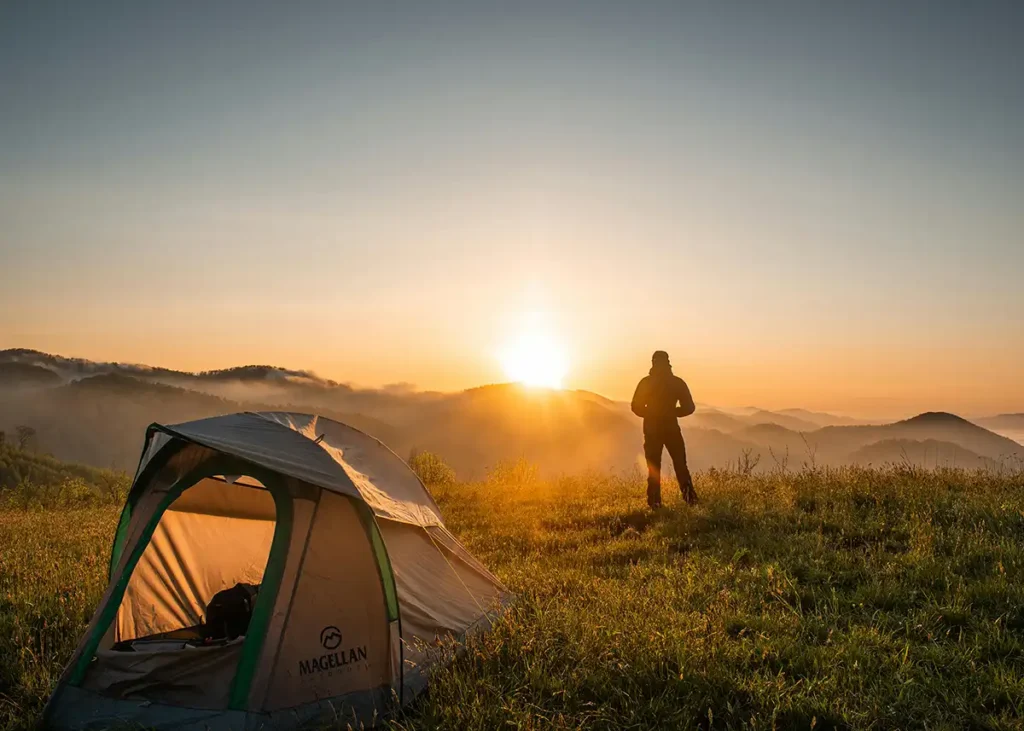
You haven’t truly earned your bushcraft stripes until you’ve been huddled in the woods, soaked to the bone, clutching a soggy featherstick, whispering to your lighter like it’s a sacred relic.
Starting a fire in winter is one thing. Starting one when everything’s damp, your hands are half-frozen, and the wind’s laughing at you? That’s a different beast altogether.
Here’s how to tame it.
Why Wet-Weather Firestarting Matters
If you’re out in the UK between November and March, odds are good you’ll be contending with:
- Rain (obviously)
- High humidity
- Waterlogged ground
- Damp wood
- Cold hands
In a survival situation, fire isn’t just about warmth or cooking, it’s morale. Fire is confidence, light, and safety wrapped into one.

The Wet Firestarting Mindset
Before we dive into tools and techniques, let’s be real: wet firestarting is a patience game. You won’t light a roaring blaze in 60 seconds. And if you do? You’ve either cheated or earned your place in Valhalla.
You need three things:
- Dry tinder (more on that in a second)
- Consistent ignition source
- Proper fire lay
And maybe a few quiet swear words.

Step 1: The Tinder Situation
Here’s where most people screw it up. You can’t just grab damp leaves and hope they’ll cooperate. You need tinder that’ll catch with minimal heat, even when conditions suck.
Your Go-To Options:
1. Cotton pads + Vaseline
Cheap, light, and magic. Keep a film canister or zip bag with a few of these stashed. Even soaked, they’ll usually catch.
2. Fatwood
Nature’s firelighter. High resin content means it burns hot and long, even if it’s wet. Look for it in pine stumps or buy pre-cut fatwood sticks like these.
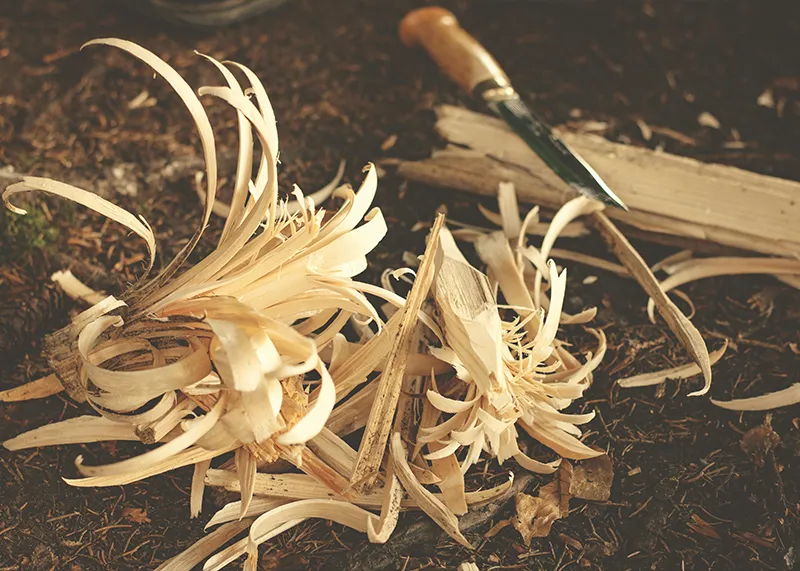
3. Feathersticks (if you have no other option)
Even if the outside is damp, the inner wood might still be dry. Shave long curls with your knife from the inner heartwood.
If you’ve not mastered feathersticks yet, check out our post: Feather Sticks: The Firestarter Hack You’re Probably Doing Wrong
4. Firelighters (cheat code but reliable)
Great backup. Always worth carrying one.

Step 2: The Ignition Source
If your lighter fails and your ferro rod is rusted, you’re toast. So don’t rely on just one.
Ideal Combo:
1. Ferro Rod + Striker
Tried, tested, and will throw sparks even if wet.
Try something beefy like the Trekkout Ferro Rod – big enough to hold with gloves.
2. Butane Lighter (with wind resistance)
Always keep a windproof torch lighter tucked in a waterproof bag.
3. Waterproof Matches (for backup)
Not as reliable in wind, but they’ll do in a pinch. Especially ones like UCO Stormproof Matches.
Step 3: Fire Lay That Works
Forget teepee style. In the wet, you’re building up, not out.
The “Upside Down Fire” Lay:
- Start with your biggest logs at the base, forming a dry platform.
- Build smaller fuel layers on top, gradually reducing size.
- Place feathersticks or tinder at the top.
- Light from the top, letting flame work down through dry layers and eventually drying out your base.
Why? Because lighting from the top avoids suffocating the flame with smoke and dampness. Gravity works in your favour.
Where to Find Dry Tinder in the Wild (Even in the Rain)
- Under conifer trees (needle beds, fatwood, dry bark)
- Inside dead standing trees
- In the core of split logs
- Inside your pockets (if you planned ahead)
Stash small tinder in Mint tins, film canisters, or vacuum-sealed bags. Always carry more than you think you’ll need. One is none.
Pro Tip: Build a Bushcraft Fire Kit
Build a waterproof fire kit once and be done with it. Here’s what I keep in mine:
- Ferro rod & striker
- Windproof lighter
- 4 cotton/Vaseline pads in a tin
- Small slab of fatwood
- 2 stormproof matches
- Pencil sharpener (yep… turns twigs into tinder curls)
- Ziploc bag
Keep it inside a drybag. Better to have it and not need it than the other way round.

A Personal Note from the Field
There was one time I camped solo near Snowdonia in February. The kind of rain that feels like it’s coming at you sideways. I’d been out hiking all day, and everything (boots, pack, socks) was soaked.
I needed that fire.
After 30 minutes of prepping feathersticks under my tarp, I struck my ferro rod and… nothing. No spark. Water must’ve seeped into the rod case. Thankfully, I’d stashed a fire lighting tin in my belt pouch. One spark from a backup striker and it caught. Five minutes later, I had flames, dry socks, and a grin that wouldn’t quit.
That fire changed my entire night.
Other Firestarting Resources Worth Checking:
- Tools of the Trade: Building the Ultimate Pocket-Sized Survival Kit
- Five Bushcraft Skills Every Camper Should Master
- EDC Essentials: What Every Outdoorsman Should Carry in 2025
Final Thoughts
Starting a fire in the rain is one of those skills that separates casual campers from serious outdoorsmen. It’s not glamorous. It’s not easy. But when you pull it off?
That’s when it clicks.
You’ve got the knowledge, the tools, and the mindset. Now get out there and don’t forget to pack that fire kit.