
Field Notes From the Edge
Track five core habits. Reflect each morning and night. Build direction through repetition… not motivation.
A FREE 90-day structure for those who want to show up, not just think about it.
A Quick Note on Links
As an Amazon Associate I earn from qualifying purchases.
This helps me create more class content for you to get inspired by.
Please Note
Outdoor activities involve risk. The information on this site is for general guidance only and should not replace proper training, manufacturer instructions, local laws, or your own judgement. Always use equipment safely and responsibly.
Wild camping is the ultimate way of getting back to nature—you, your tent, and the great outdoors. But in the UK, where so much land is privately owned, you find it’s hard to locate spots where you can legally camp. That doesn’t deter it from being possible, though. With a small amount of knowledge and eyes open to the terrain, you will still find incredible wild camps around the country. This is where you should head and how to do it in a considerate manner.
Quick note: Wild camping rules can change and local restrictions matter, so always check the official guidance for the area before you pitch.
Scotland: The Holy Grail of Wild Camping
Scotland is the UK’s undisputed wild camping champion. With the Land Reform (Scotland) Act 2003, you can camp on most unenclosed land if you adhere to the Scottish Outdoor Access Code. This means camping in small groups, avoiding houses and roads, and leaving no trace. Keep it lightweight, small-scale, away from buildings and roads, and leave no trace.
For fabulous places, try:
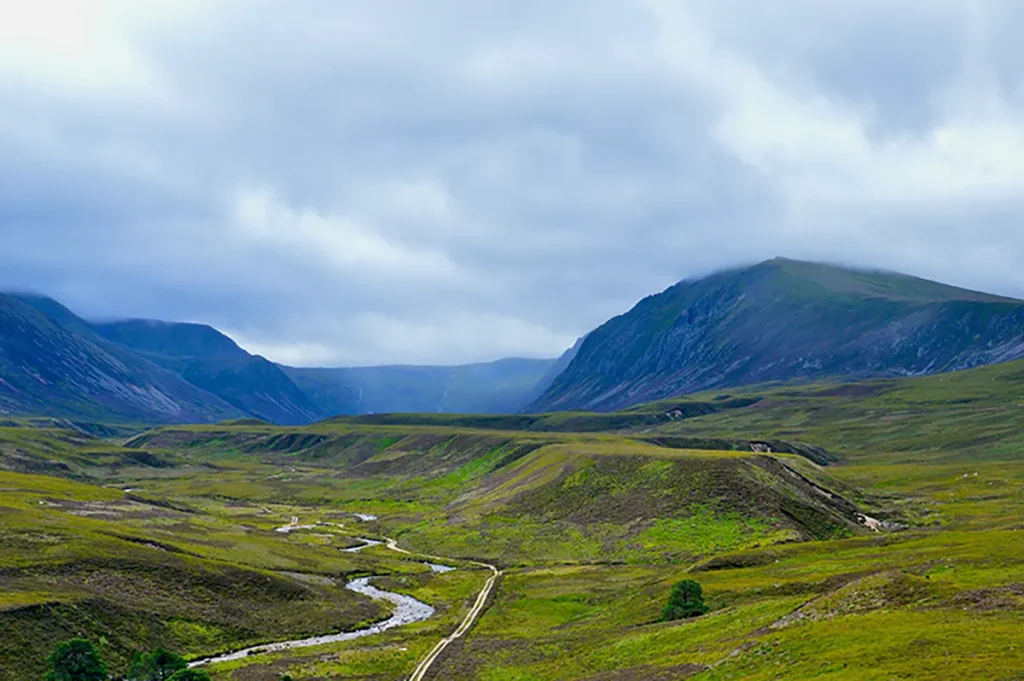
Cairngorms National Park – Huge, wilderness landscape, ideal for brave walkers.
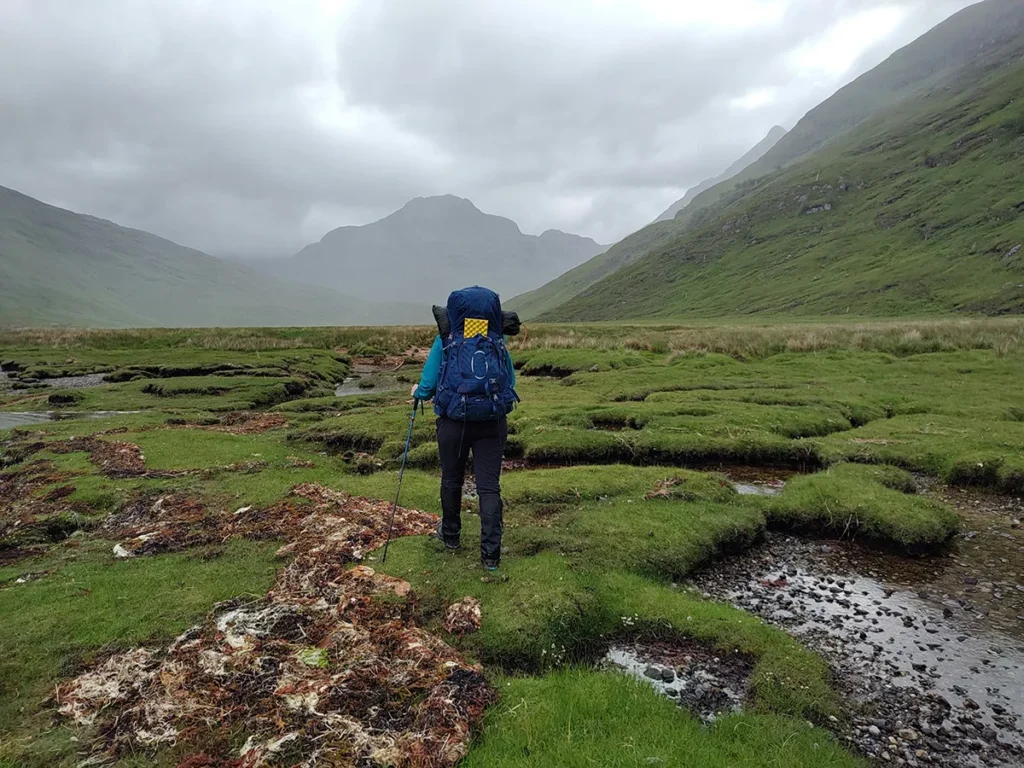
Knoydart Peninsula – The UK’s sole remaining wilderness, accessible only by boat or on foot.
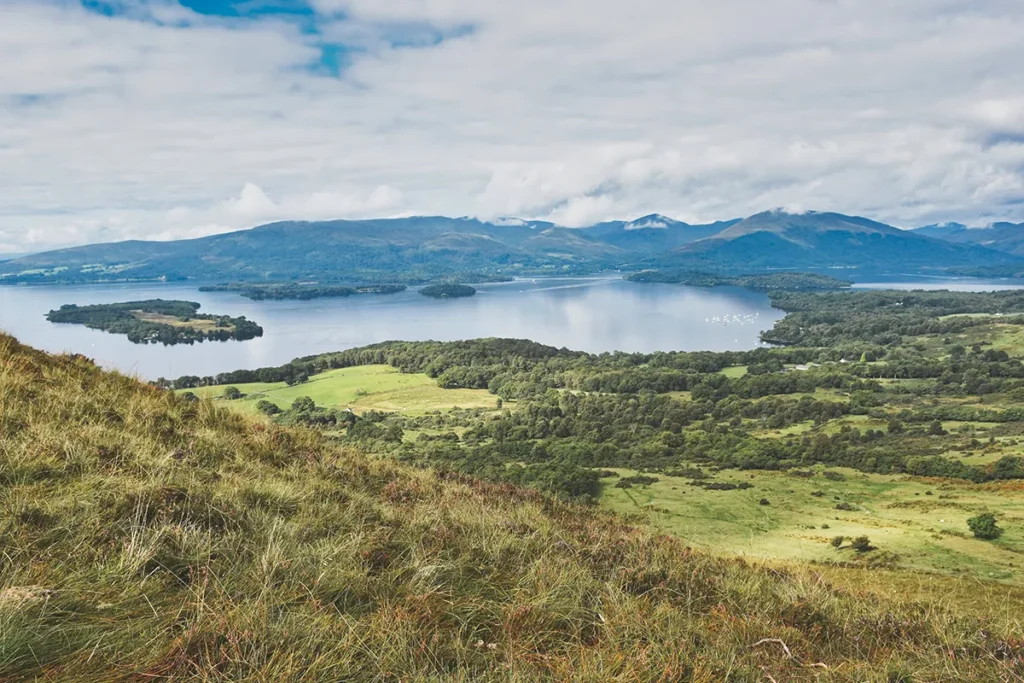
Loch Lomond & The Trossachs National Park – While some areas now require permits, there are still numerous places to camp freely.
If Scotland is on your list, it’s worth building a lightweight setup that packs small, pitches fast and doesn’t drag half your garage onto the hill.
England and Wales: Where It’s Mostly Off-Limits
Contrary to Scotland, legally, in England and Wales, wild camping is illegal unless the landowner gives permission. There are exceptions, though, where there is a tradition or bylaws permitting it on conditions.
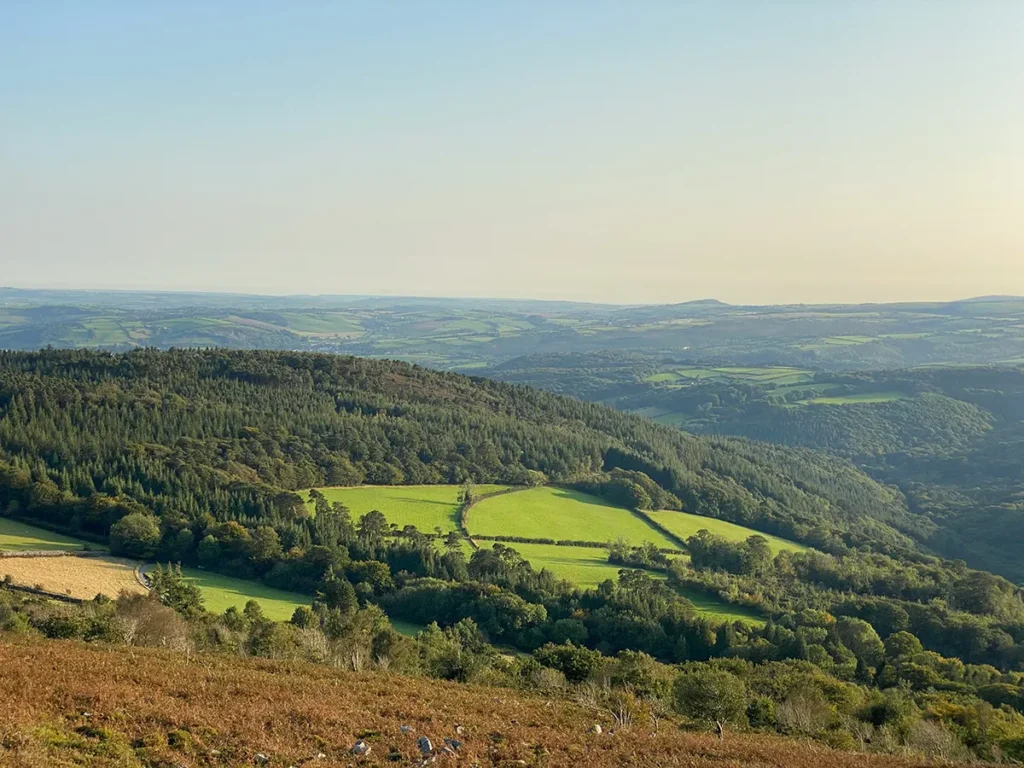
Dartmoor: The Exception to the Rule
Dartmoor is the big exception in England. Following the May 2025 Supreme Court ruling, responsible backpack camping is allowed on parts of Dartmoor Commons. Don’t assume the whole park is fair game, though. Check Dartmoor National Park’s camping map before you go and stick to permitted areas.
Lake District: Tolerated but Not Officially Allowed
While not permitted by law, wild camping within the Lake District is tolerated at times in remote, mountain areas far from the main roads. Provided you stay incognito, camp above top fell walls, and leave early, you should not be disturbed.
Snowdonia: Ask First
Snowdonia’s lovely scenery is a siren sight, but a lot of it is private land. While there is wild camping, it is better to seek permission from the owner or occupy one of the many remote campsites that give an almost-wild experience.
Northern Ireland: Permission Required
Wild camping in Northern Ireland is only allowed with the consent of the landowner. Therefore, you will have to do your research and get permission in advance. The Mourne Mountains do have some great secluded spots where landowners will usually agree, as long as you follow Leave No Trace.
If wild camping feels like too much admin, these train-accessible outdoor escapes are a simpler way to get outside without overcomplicating the trip.
“Almost Wild” Campsites: A Good Alternative
If you love the idea of wild camping but do not wish to take the risk against the law, there are many “near wild” locations in the UK. They will have minimal facilities—maybe only a compost loo and water, but a quiet, off-grid experience nevertheless.
Some of my favorites are:
Cefn Coed, Snowdonia – Woodland hideaway with access to good walking paths.
Red Squirrel Campsite, Glencoe – In the heart of the Scottish Highlands, with stunning scenery and a real wilderness experience.
Turner Hall Farm, Lake District – Basic, back-to-basic camp with mountain views and river-side pitches.
Wild Camping Etiquette: Leave No Trace
Wherever you wild camp, you should be mindful of the natural world. Make sure you follow these important principles:
Leave no trace – Take home all rubbish and leave the area as you found it.
Be small and unobtrusive – Camp in smallish groups, well away from trails and buildings.
Keep your stay short – Depart after a night or two to not damage the land.
Be fire-aware – Avoid having open fires except in a camp site; use a stove instead.
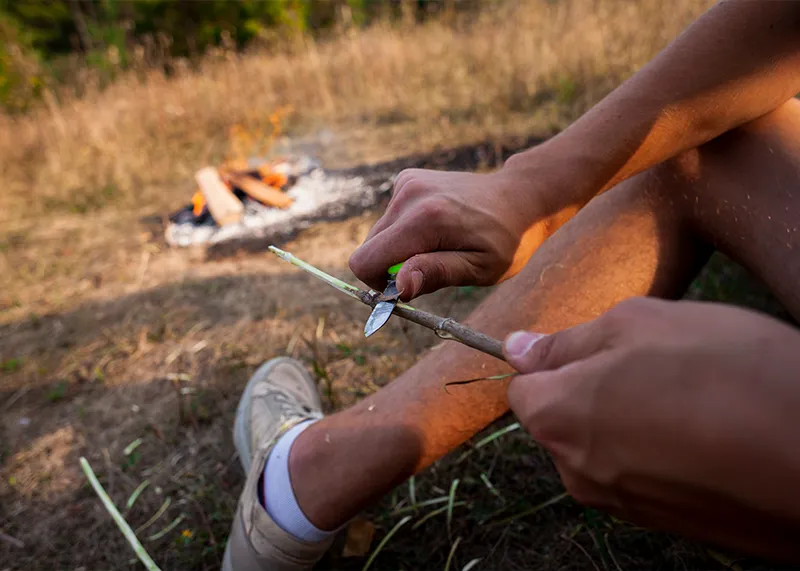
A few basic bushcraft skills will make you a calmer, cleaner and more capable camper, especially when you’re trying to keep your impact low.
Last Thoughts
Wild camping in Britain is a little more planning than camping where you want, but it’s nice to be doing it. Scotland is the most laid-back, Dartmoor provides a law-abiding English option, and anywhere else you must be very careful. Wherever you are, camp sensibly so that these wonderful places are available to other walkers in years to come.
Before heading out, sort the boring-but-vital stuff too: first aid, water, layers, navigation and a backup plan.
Now, pack your bags, find your place, and prepare to sleep under the sky.
Wild Camping in the UK FAQs
Is wild camping legal in the UK?
It depends where you are. Scotland has much broader access rights for responsible lightweight camping, while England, Wales and Northern Ireland are much more restricted. In most places outside Scotland, you usually need the landowner’s permission.
Can you wild camp in Scotland?
Yes, responsible lightweight camping is generally allowed under the Scottish Outdoor Access Code. Keep groups small, camp away from buildings and roads, avoid enclosed fields with crops or livestock, and leave no trace.
Can you wild camp in England and Wales?
Generally, you can’t wild camp without landowner permission. Open access land gives you the right to walk, but not automatically the right to camp overnight. Dartmoor is the major exception in England, but only in permitted backpack camping areas.
What is the best alternative to wild camping in England and Wales?
Almost-wild campsites are usually the cleanest option. You still get quiet, simple camping without having to guess whether you’re allowed to pitch there.